

♥ Wishlist
Compare 50 Dry Mouth Relief Products for Everyday Oral Comfort products in Canada. Reviews, ratings, pros, cons and buying advice updated for October 2026.
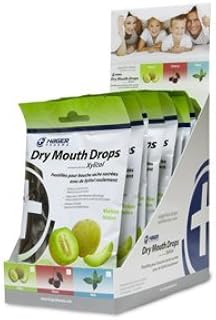


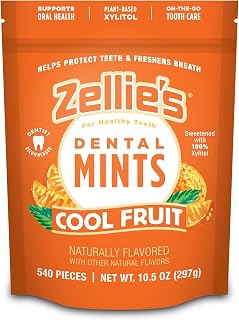


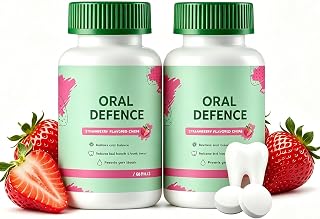


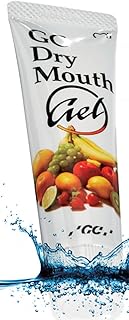


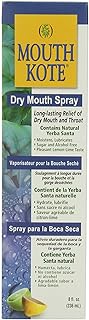


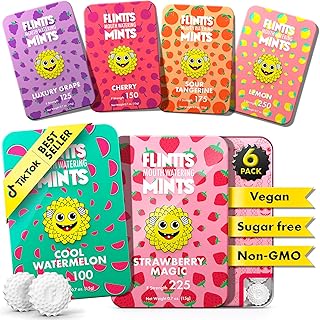


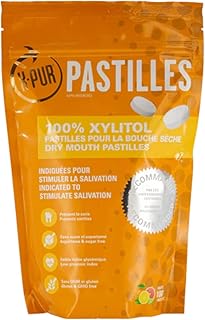


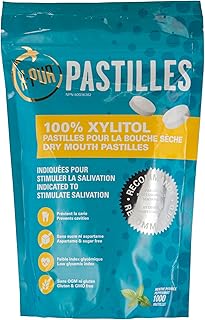


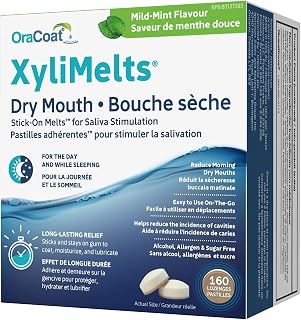


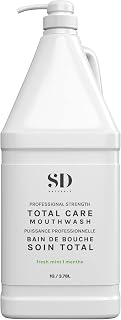
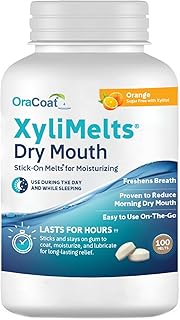

Choosing a dry mouth relief product is not simply a matter of picking the item with the highest rating or the lowest price. Different products are designed for different situations, including occasional mouth dryness, overnight discomfort, difficulty speaking or swallowing, dry mouth associated with medication use, and persistent symptoms that require professional assessment.
For Canadian shoppers, the most useful comparison is usually between product format, active ingredients, duration of relief, ease of use, flavour, sugar content, portability and overall value. A product that works well during the day may be less convenient overnight, while a product designed for extended use may not be ideal for someone who only experiences occasional dryness.
This 2026 buying guide focuses on how to evaluate dry mouth relief options intelligently rather than treating every product as interchangeable. Brands commonly encountered in this category include Biotene, ACT, OraCoat and XyliMelts, but individual formulas and product availability can vary, so shoppers should always check the current Canadian packaging and ingredient information before purchasing.
Dry mouth, also called xerostomia, occurs when the mouth does not have enough saliva to keep oral tissues comfortably lubricated. Saliva performs several important functions: it moistens the mouth, assists with speaking and swallowing, helps clear food particles and contributes to the mouth's natural protective environment.
Temporary dryness can occur for relatively ordinary reasons such as dehydration, prolonged mouth breathing, stress or sleeping with the mouth open. Persistent or recurring dry mouth can have many possible causes, including medications, medical conditions, treatments that affect salivary glands, tobacco use and other factors.
Dry mouth relief products are generally intended to improve comfort and moisture rather than address the underlying cause. That distinction is important when comparing products. A spray, rinse, gel, lozenge or dissolving tablet may temporarily make the mouth feel more comfortable, but persistent symptoms should not simply be masked indefinitely without considering why they are occurring.
Oral moisturising sprays are designed for quick and convenient application. They can be particularly useful when dryness appears during the day, at work, while travelling or when someone does not want to use a larger rinse or gel.
The main advantage is convenience. A small bottle can usually be carried in a pocket, purse, backpack or desk drawer. The limitation is that sprays may provide shorter-lasting relief than products designed to remain in contact with the mouth for longer periods.
Oral moisturising gels have a thicker consistency than sprays and rinses. Their formulation can make them useful when a longer-lasting coating or moisturising effect is preferred.
Gel products are often considered for bedtime use because a thicker preparation may be more practical when the goal is to maintain comfort during a period when drinking water or reapplying a spray is inconvenient. However, texture and flavour preferences vary significantly between users.
Dry mouth rinses are formulated for use throughout the mouth and can be a convenient addition to an oral-care routine. They may be particularly appealing to shoppers who already prefer using a mouth rinse as part of daily hygiene.
When comparing a dry mouth rinse, pay attention to whether it is specifically formulated for people experiencing oral dryness and examine the full ingredient panel. Flavour strength is also worth considering because a product that feels unpleasant is less likely to become a consistent part of an oral-care routine.
Lozenges and dissolving oral tablets can encourage saliva flow while also providing a convenient method of delivering ingredients intended to improve oral moisture. They are especially practical for daytime use when carrying a bottle of rinse or gel is inconvenient.
For shoppers considering these products, sugar content is an important consideration. Because frequent exposure to fermentable sugars can be undesirable for dental health, products intended for repeated use should be evaluated carefully. Sugar-free formulations may be preferable for many people, although the complete ingredient list still deserves attention.
Sugar-free chewing gum can be useful when the objective is to stimulate the mouth's own saliva production rather than simply add moisture. Products containing xylitol are common in oral-care categories, but shoppers should distinguish between a product's ability to stimulate saliva and a product marketed primarily as an artificial saliva substitute or moisturiser.
Chewing gum is not appropriate for everyone. People who have difficulty chewing or swallowing should consider whether this format is suitable for them.
Xylitol is a sugar alcohol frequently used in sugar-free oral-care products, including some chewing gums, lozenges and dry mouth products. It provides sweetness without being conventional table sugar and is therefore common in products designed for repeated oral use.
Do not assume that the presence of xylitol automatically means a product will provide the same type of relief as every other xylitol-containing product. Formulation, concentration, delivery format and intended use all matter.
Some dry mouth products contain ingredients intended to help retain moisture or improve the mouth's lubricating feel. These may include various humectants and moisturising agents.
Rather than choosing solely on the basis of one ingredient, compare the complete formulation. Two products can contain broadly similar ingredient categories while producing noticeably different sensations because of differences in concentration, texture and supporting ingredients.
Some oral-care products contain fluoride, while specialised dry mouth moisturisers may not. This distinction matters because people with persistent dry mouth can face an increased risk of dental problems, making their broader oral-care routine especially important.
A dry mouth moisturiser should not automatically be treated as a substitute for a fluoride toothpaste or other professionally recommended preventive dental care. Consider each product's intended purpose rather than expecting one product to perform every oral-care function.
People experiencing dry mouth may be particularly sensitive to products that create a strong burning or drying sensation. When comparing mouth rinses, check whether the formulation contains alcohol and consider your own tolerance and the product's intended use.
A product marketed for freshness is not necessarily the same as a product formulated specifically for dry mouth. If moisture and comfort are the priority, compare products on those criteria rather than choosing a conventional mouthwash simply because it has a strong mint flavour.
Daytime requirements are different from nighttime requirements. Someone who becomes dry during meetings, driving, shopping or outdoor activities may prioritise portability and fast application.
A compact spray or dissolving lozenge can be easier to use discreetly than a gel. Sugar-free gum can be another option for people who prefer stimulating natural saliva production and can comfortably chew gum.
When building a daytime routine, keep water available and consider environmental factors that contribute to dryness. Excessive caffeine or alcohol intake, smoking, heated indoor air and prolonged mouth breathing can all be relevant considerations depending on the individual.
Nighttime dryness can be particularly frustrating because it may interrupt sleep and create an uncomfortable mouth or throat sensation. People who breathe through their mouth while sleeping may experience especially noticeable dryness.
For overnight use, shoppers often look at gels, longer-lasting moisturising products or oral discs designed to remain in the mouth for an extended period. The choice should take into account how the product is intended to be used and whether the user can safely follow the application instructions.
Nighttime dryness can sometimes be related to nasal congestion, mouth breathing, medications or other underlying factors. If it is persistent or severe, selecting a stronger moisturiser is not necessarily the best long-term solution; identifying the contributing factor may be more useful.
Recognisable brands can make shopping easier, but brand recognition should not replace product-level comparison. Biotene, ACT, OraCoat and XyliMelts are examples of names shoppers may encounter when researching dry mouth and oral-care products.
Compare the exact product rather than assuming every item from a particular brand serves the same purpose. A brand may offer several formats, including rinses, gels, sprays, lozenges or related oral-care products.
If dryness appears suddenly, fast application can be more valuable than long-lasting performance. Sprays and certain dissolving products are often easier to use immediately than thicker gels.
For people who experience persistent dryness, repeatedly applying a short-duration product may become inconvenient. In that situation, a formulation intended to remain in the mouth longer may be worth considering.
The subjective feel of a dry mouth product matters. Some users prefer a light, watery sensation, while others prefer the coating produced by a gel. Customer feedback can help identify common texture preferences, but individual reactions will differ.
Flavour is more important than it might initially appear. Strong mint, sweetness or other flavour characteristics may be appealing to one person and unpleasant to another. If a product is expected to be used several times a day, comfort and taste can affect whether the routine is sustainable.
Consider where and when the product will be used. A product requiring a sink may be less practical for commuting than a pocket-sized spray or lozenge. Conversely, a home-based nighttime routine may make a gel or rinse perfectly practical.
The cheapest package is not necessarily the best value. A better approach is to consider the amount of product, frequency of application and how much relief is obtained from each use.
This approach is particularly useful when comparing a small portable spray with a larger bottle of rinse or a package of dissolving tablets. The products may appear to have very different prices while serving similar practical purposes.
Ratings can be useful, but they rarely explain whether a product is appropriate for a particular type of dry mouth. A highly rated spray may still be a poor choice for someone seeking overnight relief.
Marketing descriptions provide only part of the information needed for a purchasing decision. Review the ingredients, intended use and directions before deciding whether a product fits your needs.
A strong mint sensation can create a feeling of freshness without addressing oral dryness. Products should be compared according to their actual purpose.
Frequent oral exposure makes sugar content worth considering. When choosing lozenges, gum or other repeatedly used products, look carefully at the nutritional and ingredient information.
Using more than the recommended amount does not necessarily provide better results. Follow the manufacturer's directions and avoid treating dosing recommendations as interchangeable between different formulations.
Dry mouth can have many causes. If symptoms are persistent, severe or accompanied by other concerning changes, a pharmacist, dentist or physician may be able to help identify potential contributors.
Persistent reduced saliva can make oral hygiene especially important. Saliva naturally contributes to the mouth's protective environment, so people with ongoing dryness may need to pay particular attention to brushing, fluoride exposure, dental appointments and other preventive measures recommended by their dental professional.
A moisturising product can improve comfort, but comfort and prevention are not identical objectives. When comparing products, think of dry mouth relief as one part of a broader oral-care strategy rather than a replacement for routine dental care.
Occasional dry mouth is not necessarily a sign of a serious problem, but persistent symptoms deserve more attention. Consider professional advice if dryness continues, repeatedly disrupts sleep, makes eating or swallowing difficult, contributes to significant oral discomfort, or occurs after starting or changing medication.
Do not stop or change prescription medication solely because you suspect it is causing dry mouth. A pharmacist or prescribing clinician can help determine whether the medication could be contributing and whether an appropriate alternative or supportive measure exists.
Dental professionals can also help assess whether persistent dryness is affecting the teeth and gums and can recommend preventive strategies appropriate to the individual.
Many different categories of medication can contribute to dry mouth as a side effect. This means that a person who suddenly develops persistent dryness should consider whether symptoms began after starting a new medicine or changing a dose.
Because medication effects vary, it is better to review the complete medication list with a pharmacist or clinician than to assume a particular medicine is responsible. Over-the-counter medicines and supplements can also be relevant when discussing symptoms with a healthcare professional.
Travel introduces practical considerations that are easy to overlook when selecting an oral moisturiser. Long flights, hotel heating or air conditioning, changes in routine and limited access to water can make dryness more noticeable.
Customer reviews are most useful when they reveal practical details that product specifications do not fully communicate. Look for repeated observations rather than relying on a single enthusiastic or negative review.
Reviews should complement, not replace, specifications and professional guidance. Individual experiences with dry mouth products can differ substantially.
Before placing an order, use this checklist to narrow down the options that actually match your needs.
There is no single best option for everyone. The right product depends on whether you need daytime moisture, nighttime comfort, saliva stimulation, portability, a particular texture or a specific ingredient profile. Compare products according to your symptoms, routine and oral-care needs.
Neither format is universally better. Sprays are generally appealing when fast, convenient application is important, while gels may be preferable when a thicker moisturising preparation is desired. The best choice depends on when and how you experience dryness.
Some products are specifically designed for regular use, but usage instructions differ by formulation. Follow the directions on the current package and speak with a healthcare or dental professional if you need frequent relief over an extended period.
Xylitol is commonly used in sugar-free oral-care products, and chewing products containing xylitol may help stimulate saliva flow. However, xylitol-containing products are not all designed to provide the same type of dry mouth relief, so compare the complete product formulation and intended use.
It depends on personal preference and whether you can comfortably chew gum. Lozenges may be more convenient for some users, while sugar-free chewing gum can be useful when stimulating natural saliva production is the priority.
Look for a format designed for longer-lasting moisture and evaluate its application instructions, texture and ingredients. Also consider whether mouth breathing, nasal congestion, medication or another factor could be contributing to nighttime dryness.
Persistent dry mouth can make oral care more important because saliva plays an important role in maintaining the mouth's natural environment. People with ongoing symptoms should maintain appropriate dental hygiene and discuss persistent dryness with a dental professional.
People with dry mouth may prefer formulations that do not create an uncomfortable drying or burning sensation. Check the product's complete formulation and intended purpose rather than assuming that every conventional mouthwash is appropriate for dry mouth.
Compare the amount of product, expected frequency of use and cost per application. A larger package is not automatically better value if the product is uncomfortable or requires frequent reapplication.
Dry mouth products generally provide symptomatic relief rather than correcting every underlying cause. If dryness remains persistent, investigate possible contributing factors with a pharmacist, dentist or physician rather than continually increasing product use on your own.
The smartest way to buy dry mouth relief in Canada is to match the product format to the situation in which you experience dryness. Start by deciding whether you need quick daytime moisture, longer-lasting nighttime comfort, saliva stimulation or a combination of approaches. Then compare ingredients, texture, flavour, sugar content, directions, package size and cost per use.
Established names such as Biotene, ACT, OraCoat and XyliMelts can provide useful starting points for comparison, but the exact formulation matters more than the brand name alone. Product ranges change, so verify the current Canadian label, ingredients and instructions before purchasing.
Most importantly, treat persistent dry mouth as more than a shopping problem. Relief products can make everyday life more comfortable, but ongoing or unexplained symptoms can warrant advice from a dentist, pharmacist or physician. The best buying decision combines immediate comfort with sensible long-term oral-health care.