
♥ Wishlist
Compare 28 Dressers & Chest Of Drawers products in Canada. Reviews, ratings, pros, cons and buying advice updated for October 2026.


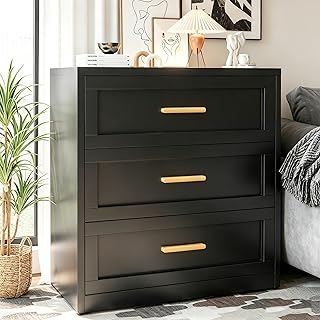


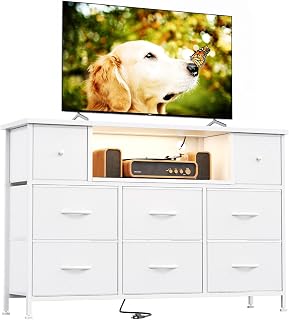
A dresser or chest of drawers is one of those furniture purchases where the right choice depends on much more than appearance. A good model needs to fit the available space, provide practical storage, remain stable when drawers are opened, and suit the way the room is actually used. For Canadian homes, additional considerations such as compact bedrooms, seasonal clothing storage, condominium layouts, dry winter indoor air, and the practicalities of moving larger furniture can influence the decision.
When comparing dresser deals in 2026, look beyond the headline price. Check the overall dimensions, drawer capacity, materials, hardware, assembly requirements, weight, finish, stability features, and the retailer's current customer feedback. Two dressers that look similar in photographs can differ substantially in construction and everyday usability.
The terms dresser and chest of drawers are often used interchangeably, but their traditional designs are slightly different. A dresser is generally wider and shorter, while a chest of drawers is usually taller and narrower. Modern furniture ranges blur this distinction, so dimensions and configuration are more useful than the product name alone.
Before comparing styles, measure the wall and the available floor area. A visually compact dresser can occupy more space than expected once drawer clearance and walking room are taken into account.
A smart buy is not necessarily the least expensive dresser. It is the option that provides an appropriate combination of construction quality, usable storage, dimensions, appearance, safety, and long-term practicality for its intended location.
For example, paying more for stronger drawer hardware may make sense for a primary bedroom where the furniture will be opened several times a day. Conversely, a basic lightweight unit may be entirely appropriate for a temporary guest room. The best value depends on usage rather than price alone.
Solid wood furniture can provide a substantial feel and can be attractive in traditional, transitional, farmhouse, Scandinavian, and contemporary interiors. Common species and wood types include pine, rubberwood, oak, maple, and other hardwoods.
Wood is a natural material and can respond to changes in humidity. In Canada, indoor humidity can vary considerably between seasons, particularly when heating systems operate during winter. Allowing furniture to acclimate and following the manufacturer's care instructions can help maintain its condition.
Engineered wood products such as medium-density fibreboard and particleboard are widely used in modern bedroom furniture. They can offer consistent dimensions and make it possible to produce practical furniture at different price points.
The quality of engineered-wood furniture varies significantly. Pay attention to panel thickness, edge finishing, hardware attachment, drawer construction, and the way structural components are joined rather than assuming all engineered wood is equivalent.
Wood veneer consists of a thin layer of real wood applied over a substrate. It can provide the appearance of natural wood while allowing manufacturers to control cost and dimensional consistency. A well-finished veneer can look sophisticated, but the surface still requires appropriate care to avoid moisture damage and scratches.
Laminate and melamine finishes are common on contemporary and budget-friendly furniture. They are available in many colours and wood-look patterns and can be relatively straightforward to clean. Inspect edges and seams carefully because these areas can be more vulnerable to damage if construction or finishing is poor.
Some modern dressers combine wood-based panels with metal legs, frames, handles, or drawer components. Metal can add a contemporary appearance and may contribute to structural rigidity, although the complete design matters more than the presence of metal alone.
The drawer is the part of a dresser that receives the most repeated mechanical use, so drawer construction deserves close attention. Look for information about drawer material, joints, bottoms, handles, and slide mechanisms.
Different slide systems provide different levels of movement and access. Roller slides, ball-bearing slides, and other mechanisms can vary in smoothness, load capacity, noise, and extension.
Do not assume that a specific slide type automatically makes an entire dresser high quality. Drawer boxes, attachment points, cabinet construction, and alignment all contribute to the finished result.
How the drawer components are joined can provide useful information about construction. Stronger joinery can be advantageous when drawers are repeatedly loaded and unloaded. If detailed construction information is unavailable, examine product photographs closely and compare manufacturer specifications where provided.
Counting the number of drawers is not enough. Six shallow drawers may offer less useful storage for bulky sweaters than four deeper drawers. Think about what will occupy each drawer before choosing a configuration.
If you are replacing an existing dresser, measure its usable drawer interiors and compare them with the new furniture. Exterior dimensions alone do not tell you how much storage you will gain.
Compact rooms benefit from furniture that uses vertical space efficiently. A narrow chest can provide substantial storage without occupying the width of a large dresser. Avoid choosing a tall unit solely because it fits against a wall; check ceiling height, window placement, lighting, and access to nearby storage areas.
A primary bedroom may accommodate a wider dresser with larger drawers. If the dresser will support a television, mirror, lamps, or decorative objects, check the manufacturer's stated load requirements rather than assuming the top is designed for heavy equipment.
Children's furniture requires additional attention to stability and anti-tip provisions. A dresser should be placed on an appropriate surface and secured according to the manufacturer's instructions. Avoid relying on the weight of the unit alone as a substitute for an anti-tip solution.
A guest bedroom may not require maximum storage capacity. A moderately sized dresser can provide visitors with convenient drawer space without making the room feel crowded.
Accurate measurement is one of the simplest ways to avoid an unsuitable furniture purchase. Measure the intended wall, but also measure the route the furniture will take to reach its final position.
A dresser can technically fit against a wall while still being impractical to use. Each drawer needs enough space to extend without hitting a bed, chair, desk, door, or another piece of furniture.
For bedrooms with limited floor space, map the furniture footprint using removable tape on the floor. This simple exercise can reveal clearance problems before the furniture arrives.
Stability should be a priority for any dresser, particularly taller models. Furniture can become unstable when multiple drawers are extended or when heavy objects are placed high on the unit.
Safety hardware is not a decorative feature. If a dresser is tall or will be installed in a household with children, stability should be considered before colour, style, or decorative details.
Modern dressers typically emphasise clean lines, simple hardware, neutral colours, and uncluttered surfaces. They can work particularly well in contemporary bedrooms and minimalist interiors.
Mid-century-inspired furniture often combines tapered legs, warm wood tones, and relatively simple geometric forms. This style can add visual warmth without appearing overly ornate.
Farmhouse designs commonly use wood-look finishes, panel detailing, traditional hardware, and softer neutral tones. They can coordinate well with rustic or country-inspired bedroom décor.
Industrial designs may combine dark finishes, metal accents, visible hardware, and simple structural forms. They can work well where the bedroom already includes metal or reclaimed-wood visual elements.
Minimalist furniture focuses on functional storage without excessive decorative detailing. Handleless drawers, flush fronts, neutral colours, and simple silhouettes are common design choices.
The best finish depends on the room and the level of maintenance you are willing to provide. White and light-coloured finishes can make a small room feel brighter, while darker finishes can create visual contrast and hide some types of surface discolouration.
Handles are frequently treated as a style decision, but their practical design affects everyday use. Small decorative knobs may look attractive but can be less comfortable when opening heavily loaded drawers. Long pulls can offer more grip, while recessed or integrated handles can produce a cleaner appearance.
Inspect how handles attach to the drawer fronts and whether replacement hardware could be fitted later if the style becomes outdated. Hardware that is easy to tighten or replace can also make basic maintenance simpler.
Many affordable dressers are delivered in flat-packed form. Assembly time and difficulty can vary considerably, so check the manufacturer's instructions and included components before committing to a purchase.
Product photography is useful for judging style but cannot tell you everything about construction. Always compare specifications and dimensions alongside photographs.
A large-looking dresser can have surprisingly small usable drawers. If storage capacity matters, look for internal dimensions whenever they are provided.
Drawer count does not equal storage volume. Compare drawer depth, width, and height as well as the total number of drawers.
Measure the space required for drawers to open. This is particularly important when a dresser sits opposite a bed.
A very lightweight dresser can be easier to move, but weight can also be an important consideration when assessing perceived sturdiness. Compare the complete specifications rather than using weight as a standalone quality indicator.
A low-priced dresser may require substantially more assembly than expected. Check the instructions and product description before purchasing.
Specifications, current prices, delivery options, stock status, and customer feedback can change. Check the current retailer listing before making a final decision rather than relying solely on an older buying guide.
When comparing multiple models, create a simple checklist rather than focusing on one headline feature. A useful comparison should consider the complete ownership proposition.
Customer reviews can provide useful information, but the most valuable approach is to look for repeated patterns rather than relying on one particularly positive or negative comment.
Reviews should complement, not replace, specifications. A customer's experience can reveal practical details, but the manufacturer remains the more appropriate source for technical dimensions and stated product specifications.
When researching dressers and chests of drawers in Canada, it can be useful to compare established furniture brands alongside lesser-known manufacturers. Brand familiarity should not automatically determine the purchase, but it can make it easier to compare product ranges, construction approaches, replacement components, and available styles.
These brands represent different approaches to furniture design and pricing. Compare the specific model rather than assuming every product from a particular brand has identical construction quality.
A chest of drawers can serve many purposes beyond storing shirts and trousers. Depending on its construction and location, it can organize linens, toys, office supplies, craft materials, electronics accessories, or household essentials.
If you plan to use the furniture for something other than clothing, consider the load distribution and drawer dimensions. Small objects may benefit from multiple shallow drawers, while blankets and bulky textiles may require deeper compartments.
A well-designed dresser becomes more useful when its storage system matches the way you organise your belongings. Assign each drawer a clear category rather than mixing unrelated items.
Proper maintenance depends on the material and finish, so always follow the care instructions supplied with the specific dresser. As a general principle, avoid excessive moisture and abrasive cleaning products unless the manufacturer specifically recommends them.
Canadian homes can experience substantial indoor environmental changes throughout the year. Heating during cold weather can reduce indoor humidity, while summer conditions may introduce higher humidity depending on the region and home.
Wood and wood-based materials can respond differently to environmental changes. Avoid placing furniture directly beside a strong heat source unless the manufacturer indicates that the location is suitable. Maintain a reasonable indoor environment and follow the product's care recommendations.
There is no single price that defines a good dresser. Entry-level furniture can make sense for temporary accommodation, guest rooms, rental properties, or situations where budget is the overriding consideration. Mid-range furniture may offer a better balance of construction, appearance, and storage for everyday use. Higher-priced pieces can be worthwhile when materials, craftsmanship, design, or longevity justify the additional cost.
Instead of setting a budget based solely on the number of drawers, compare what the additional money actually provides. Better hardware, more durable materials, stronger construction, improved finish quality, and more usable storage can have more practical value than decorative details.
When reviewing a shortlist of ten dresser or chest-of-drawers options, use the same criteria for every model. This prevents a visually attractive product from receiving an advantage simply because its listing contains better photography or more promotional information.
Furniture listings can contain a large amount of information, but not every specification has equal importance. Start with dimensions and construction. Then examine storage, hardware, assembly, and safety information.
Be particularly careful with phrases that describe appearance rather than construction. Terms such as wood-look, wood finish, wood grain, modern design, premium appearance, or elegant styling do not necessarily indicate solid-wood construction. Confirm the actual material specification before making assumptions.
Furniture photography can make a dresser appear larger or smaller depending on camera angle, room proportions, and surrounding objects. Always use the published measurements to determine whether the furniture will work in your space.
For the most accurate comparison, place the dimensions of every shortlisted model into a simple table or note. A difference of only a few centimetres can determine whether a dresser comfortably fits beside a bed or interferes with a doorway.
Prices for furniture can change during promotional periods, seasonal sales, clearance events, and retailer campaigns. A deal should therefore be evaluated against the current specifications rather than an advertised original price alone.
When researching dresser options on Amazon Canada, use the product listing as a starting point and verify the details carefully. Product titles can contain many descriptive terms, while the specification section provides more useful information for comparison.
The best dresser or chest of drawers is the one that solves your storage problem without creating a space, assembly, safety, or durability problem. For most Canadian shoppers, the strongest comparison starts with dimensions and storage capacity, then moves to materials, drawer hardware, stability, finish, assembly, customer feedback, and current value.
Do not select a model simply because it has the most drawers, the lowest price, or the highest-looking rating. A smaller unit with better drawer dimensions may be more useful than a larger unit with inefficient storage. Similarly, a modestly priced dresser can be a smarter purchase than an expensive model when the construction and features already meet your requirements.
Before purchasing, verify the latest specifications, current Canadian pricing, retailer policies, availability, and recent customer feedback for the exact model. Furniture listings can change during the year, so information from August 2026 should be treated as a point-in-time buying reference rather than a permanent guarantee of price or availability.
There is no single best dresser for every Canadian household. The right choice depends on room dimensions, storage requirements, budget, preferred style, material, drawer construction, and how frequently the furniture will be used. Compare the exact specifications of shortlisted models before choosing.
A dresser is generally better when you have sufficient wall width and want broad storage, while a chest of drawers can be more practical when floor width is limited. The best option depends on your room layout and the type of items you need to store.
Drawer count depends on what you plan to store. More drawers are useful for separating categories, but usable drawer dimensions matter more than the number alone. Consider both drawer depth and width before deciding.
Solid wood and engineered wood each have advantages. Solid wood can offer a substantial feel and natural appearance, while engineered wood can provide consistent construction and a broad range of affordable designs. The quality of the complete construction should be assessed rather than judging the furniture by material category alone.
Look for smooth operation, appropriate load capacity, good alignment, and a mechanism suited to the expected frequency of use. Ball-bearing and full-extension systems can offer useful advantages, while soft-close mechanisms can reduce impact and noise.
Tall furniture requires careful attention to stability. Follow the manufacturer's assembly and anchoring instructions, use supplied anti-tip hardware where applicable, and prevent children from climbing or pulling on drawers.
Measure the available wall space, furniture depth, ceiling clearance, door and closet areas, and the space needed for drawers to open. Also measure the route through which the furniture must be moved into the room.
There is no universal answer. Solid wood can be attractive and substantial, while quality engineered wood can provide practical durability at different price points. Drawer construction, joints, hardware, and overall design should be considered alongside the material.
Soft-close drawers can be worthwhile if quiet operation and controlled closing are priorities. They are a convenience feature rather than a guarantee of overall furniture quality, so evaluate them alongside construction and hardware.
Compare the current price with the furniture's dimensions, materials, drawer construction, hardware, storage capacity, assembly requirements, and comparable models. Also check current retailer policies because shipping, returns, and availability can affect the overall value.
They can be, particularly for guest rooms, temporary accommodation, low-frequency use, or situations where budget is important. Check construction, stability, drawer operation, dimensions, and current customer feedback rather than assuming low price automatically means poor quality.
Inspect the handles, fasteners, drawer slides, and stability hardware periodically, especially if the furniture receives heavy daily use or has been moved. Tighten or repair components according to the manufacturer's instructions.
Yes. Dressers can also organize linens, accessories, toys, office materials, craft supplies, and other household items. Make sure the intended contents are appropriate for the drawer dimensions and stated load capacity.
Start with the exact assembled dimensions and usable storage configuration. Then verify materials, drawer hardware, stability features, assembly requirements, current customer feedback, current Canadian pricing, and the applicable retailer policies.
Use this final checklist before choosing from your shortlisted dresser and chest-of-drawers deals:
Bottom line: The smartest dresser purchase is the model that delivers the storage capacity, dimensions, construction, safety, appearance, and everyday usability you actually need at a price that makes sense for your household. Compare specifications carefully, verify current information before ordering, and choose based on long-term practicality rather than appearance or discount percentage alone.