

♥ Wishlist
Compare 14 DeWalt Cordless Circular Saws products in Canada. Reviews, ratings, pros, cons and buying advice updated for October 2026.


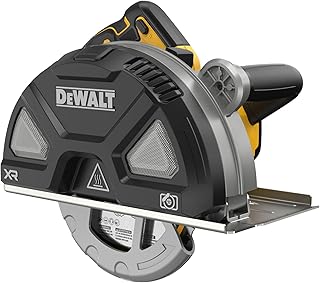


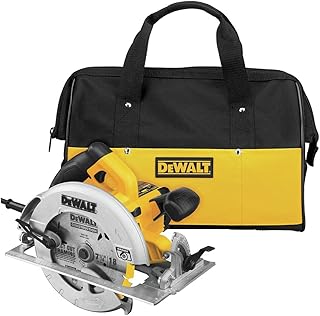

Choosing a cordless circular saw is not simply a matter of selecting the newest model or the largest blade. For Canadian buyers, the better decision comes from matching the saw's cutting capacity, battery platform, ergonomics, motor design, bevel range, visibility and intended material to the work you actually perform. A compact saw can be the smarter choice for sheet goods and light renovation work, while a higher-output model may make more sense for framing, structural lumber and repeated deep cuts.
This guide is designed to help shoppers compare DEWALT cordless circular saw options on practical criteria rather than relying only on headline specifications. Model numbers, included accessories, battery configurations and retailer pricing can change, so always verify the current specification sheet and package contents before purchasing.
The battery platform should be one of the first considerations because it affects runtime, power delivery, total tool weight and the cost of building a cordless tool collection.
Do not compare the price of a bare tool directly with the price of a kit and assume the cheaper listing is the better deal. The real cost includes the battery and charger if you do not already have them.
Blade diameter directly influences the material thickness a circular saw can cut. However, blade size should be evaluated alongside the saw's maximum cutting depth at 90 degrees and at common bevel angles.
A saw intended primarily for plywood, OSB and thinner dimensional lumber does not necessarily need the same cutting capacity as a framing-oriented model. Conversely, choosing a compact saw that cannot comfortably handle the material thickness used on your projects can become frustrating very quickly.
When comparing DEWALT circular saws, look beyond the blade diameter printed in a listing. Check the manufacturer's specified cutting depth at 90 degrees and 45 degrees, then compare those figures with the lumber and sheet material you expect to cut.
Cordless saw performance is influenced by more than one specification. Motor efficiency, battery output, electronic controls, blade condition, material density and cutting technique all affect the result.
For demanding applications, a saw that maintains blade speed under load can be more useful than one that merely advertises a high no-load speed. High no-load speed can indicate the saw is capable of fast blade rotation, but it does not by itself guarantee superior cutting performance through thick or dense material.
For buyers comparing several DEWALT models, look for evidence of the intended application in the manufacturer's specifications. A framing-oriented saw and a compact general-purpose saw can both be excellent tools while being designed around very different workloads.
An electric blade brake can stop the blade more quickly after the trigger is released. This can improve workflow and reduce the amount of time the operator has to wait before repositioning the tool.
A brake should not be treated as a substitute for safe handling. The blade should still be allowed to stop completely before the saw is placed down or moved into a position where the rotating blade could contact another object.
Bevel capability matters when making angled cuts for roofing, framing, cabinetry, trim work and other construction tasks. When comparing saws, inspect more than the maximum advertised bevel angle.
A saw with a theoretical bevel range that is difficult to set accurately may be less useful in practice than a simpler design with clear controls and a stable shoe.
Visibility around the blade can make a substantial difference in real-world accuracy. A well-designed shoe, blade guard and sightline can help the operator follow a marked line without repeatedly stopping the saw.
When evaluating a DEWALT cordless circular saw, consider how easily you can see the blade's relationship to the cutting line from your normal operating position. This is particularly important for long cuts in sheet material, where small deviations can accumulate over the length of the cut.
The lower blade guard needs to move smoothly and consistently. A guard that catches on material, retracts poorly or becomes difficult to operate can interfere with both safety and cutting control.
Different materials and cutting angles can affect guard behavior, so buyers should consider the types of work they perform rather than evaluating the guard only while the tool is unloaded.
Circular saws naturally produce substantial sawdust, particularly when cutting plywood, MDF, OSB and other sheet materials. A saw that provides useful dust-management options can make indoor renovation work considerably more manageable.
For workshop use, consider whether the saw can be integrated with an appropriate dust-extraction setup. For outdoor framing work, dust collection may be less important than visibility, balance and cutting speed.
Weight alone does not determine whether a cordless circular saw feels comfortable. Battery position, handle geometry, shoe design and motor placement all influence balance.
A heavier saw may be perfectly manageable when making short cuts but tiring during repeated overhead or shoulder-height work. A lighter saw may be easier to control but may not provide the same capacity or sustained output for demanding applications.
If possible, compare how the complete tool feels with the battery installed rather than judging the advertised tool-only weight.
The choice between DEWALT 20V MAX and FLEXVOLT should be based on workload and existing batteries rather than the assumption that the larger platform is automatically better.
The best platform is ultimately the one that fits your complete tool collection. A slightly more expensive saw may have better overall value if its battery ecosystem already matches the tools you own.
Framing places different demands on a circular saw than occasional DIY cutting. Repeated cuts through dimensional lumber reward strong cutting performance, good balance, reliable blade control and batteries capable of delivering the required power.
For framing applications, prioritize:
A framing professional should also consider how the saw fits into a broader jobsite system. If multiple cordless tools already use DEWALT batteries, platform compatibility can reduce the need to maintain multiple chargers and battery families.
Homeowners often benefit from a more balanced saw rather than the highest-output model available. A general-purpose cordless circular saw can cover common tasks such as cutting shelves, dimensional lumber, plywood, OSB and construction materials.
For occasional users, ergonomics and ease of adjustment can be just as important as maximum cutting performance. A tool that is comfortable to handle and straightforward to set up is easier to use accurately when you are not operating it every day.
If your projects are intermittent, consider a kit only when the included battery and charger add genuine value. If you already own compatible DEWALT batteries, a bare tool may be the more economical purchase.
Sheet goods create a different set of priorities. Long, straight cuts demand good visibility, predictable shoe movement, manageable weight and sufficient battery capacity.
For plywood and similar materials, look for:
For exceptionally long or precision-oriented sheet cuts, a track saw or guide system may be a more appropriate tool than a conventional circular saw. A cordless circular saw remains extremely versatile, but the correct accessory or cutting system can have as much impact on accuracy as the saw itself.
The blade is one of the most overlooked parts of a circular saw purchase. Two saws with similar motor performance can produce noticeably different results when equipped with different blades.
Lower-tooth-count blades are commonly associated with faster cutting in construction lumber, while higher-tooth-count blades can provide cleaner cuts in sheet goods and woodworking applications.
However, tooth count should not be considered in isolation. Tooth geometry, blade construction, kerf and the material being cut all matter.
Kerf describes the width of the cut produced by the blade. A thinner kerf can reduce the amount of material removed and may require less cutting effort, while a heavier blade can offer characteristics better suited to demanding or specialized applications.
Always select a blade designed for the material you intend to cut. Wood, plywood, composite materials and other products can require different blade characteristics.
Do not assume the blade supplied with a saw is the ideal choice for every application. The included blade is a starting point; experienced users often select blades according to the specific job.
Battery capacity is normally expressed in amp-hours, but amp-hour capacity alone does not predict exactly how long a circular saw will run. Actual runtime depends on material thickness, cutting resistance, blade sharpness, cutting speed, battery condition, temperature and how continuously the saw is used.
For light DIY work, a smaller compatible battery can help keep the saw compact and easy to handle. For repeated construction cuts, a larger-capacity battery can reduce interruptions and may better suit a high-output saw.
Canadian users should also consider seasonal temperatures. Battery performance can be affected by cold conditions, so outdoor winter work deserves additional planning around battery storage, charging and operating conditions recommended by the manufacturer.
When checking Canadian deals, compare the complete package rather than the headline price. Record the saw model, battery capacity, number of batteries, charger type and included accessories before deciding which listing offers the better value.
A good deal is not necessarily the lowest advertised price. A lower-priced package may contain a smaller battery, fewer accessories or a different model than the listing title suggests.
Use this comparison process before buying:
More capability can be useful, but a heavy saw may be unnecessarily tiring for a homeowner who makes only occasional cuts. Match the tool to the workload.
A cordless tool is part of a battery ecosystem. If you do not already have compatible batteries, include those costs when comparing deals.
No-load RPM is only one specification. Cutting performance under real load, blade choice and battery capability can matter more.
A compact saw may be excellent for lighter work while being a poor choice for repeated heavy framing. Check the intended application and cutting capacity.
A high-quality saw paired with an unsuitable or dull blade can produce disappointing results. Blade selection should be part of the buying decision.
Always normalize the package contents before deciding which deal is cheaper.
Blade position can influence visibility and user preference. If you have previously used a particular circular saw configuration, check the blade orientation before switching to another design.
DEWALT is not the only established option in the Canadian cordless tool market. Buyers may also encounter circular saws from Milwaukee, Makita, Bosch and RIDGID. The right comparison should focus on the complete ecosystem rather than treating one saw in isolation.
Compare the battery systems, available saw configurations, ergonomics, cutting capacity and the other cordless tools you expect to purchase. If you already own one platform, staying within that ecosystem can simplify battery and charger management.
Makita is another major cordless-tool manufacturer with a broad range of professional and DIY equipment. Compare the specific saw rather than assuming brand-level differences determine the outcome. Weight, balance, blade size, controls and battery availability can vary considerably between individual models.
Bosch offers established power-tool designs and can be worth considering when ergonomics, cutting accessories or a particular tool configuration match your needs. Compare complete specifications and package contents before deciding.
RIDGID can appeal to buyers who are building a compatible cordless collection around its platform. The best choice depends on the exact saw, battery requirements, intended workload and overall ecosystem value.
Regular maintenance helps preserve cutting performance and makes it easier to identify problems before they become serious.
Pitch, resin and accumulated debris can interfere with cutting performance. Inspect the blade regularly and replace or service it when it becomes unsuitable for the work.
Check that the lower guard moves freely and returns properly. If its movement becomes abnormal, investigate the cause before continuing to use the saw.
Debris on the shoe can interfere with smooth movement across the workpiece. Keeping the shoe clean can also help maintain predictable cutting behavior.
Periodically inspect accessible adjustment mechanisms and fasteners. Be particularly attentive to the bevel and depth-adjustment systems because movement during a cut can affect accuracy.
Store and charge batteries according to the manufacturer's recommendations. Avoid exposing batteries to unsuitable temperatures, moisture or physical damage.
A dull, damaged or inappropriate blade can increase cutting resistance and place unnecessary demands on the tool and battery.
A cordless design removes the power cord from the cutting area, but it does not eliminate the primary hazards associated with circular saws. The blade remains capable of causing serious injury, and kickback can occur when the blade binds or the workpiece moves.
Kickback deserves particular attention. Avoid forcing the saw through material, support the workpiece correctly and follow the operating instructions supplied with the specific model.
Customer reviews can provide useful information that specifications do not always reveal, but they should be evaluated systematically.
Look for repeated comments concerning:
Give more weight to reviews that explain the application, material, battery used and frequency of operation. A homeowner cutting occasional plywood should not necessarily have the same expectations as a professional framing contractor.
Before purchasing, create a quick checklist from the product page and compare it against the manufacturer's current documentation.
This approach reduces the chance of buying an apparently inexpensive listing that turns out to be a different configuration from the one you intended to purchase.
Canadian buyers should pay attention to the exact package offered in the Canadian market. Product names and configurations can differ between markets, and a model discussed on a U.S. website may not have identical packaging or availability in Canada.
Check the Canadian product documentation and retailer listing before relying on specifications found in international reviews. Currency, package contents, model numbers and retailer promotions can all change over time.
For current deals, compare multiple Canadian retailers and verify the final product configuration rather than relying exclusively on a search-result headline or promotional badge.
Instead of asking which saw is universally the best, rank the factors that matter to your own projects.
There is no single best model for every Canadian buyer. The right choice depends on the material you cut, required cutting depth, frequency of use, preferred weight, battery platform and budget. Compare the exact specifications of the models currently under consideration.
A suitable 20V MAX saw can be appropriate for many framing applications, but performance depends on the specific model, battery, blade and workload. For demanding continuous construction work, compare the manufacturer's stated capabilities and consider higher-output configurations when appropriate.
Not automatically. FLEXVOLT can make sense for demanding cutting applications where higher output is valuable, while 20V MAX can be preferable when portability and compatibility with an existing battery collection are more important.
If you do not already own compatible batteries and a charger, a kit can simplify the initial purchase. If you already have compatible batteries, a bare tool may offer better value. Always compare the complete package contents.
Choose a blade compatible with the saw and appropriate for the material and desired finish. Construction lumber, plywood and fine woodworking applications can benefit from different blade characteristics.
Battery compatibility depends on the specific DEWALT platform and tool. Use only batteries identified as compatible by the manufacturer and follow the applicable operating instructions.
There is no universal replacement interval. Replace or service the blade when it becomes dull, damaged or unsuitable for the material. Excessive resistance, poor cut quality and visible blade damage are reasons to stop and inspect the setup.
Yes, appropriate cordless circular saws can be used for professional construction. The important distinction is selecting a model and battery configuration capable of handling the workload, cutting frequency and materials involved.
It depends on the application. Cordless saws offer mobility and eliminate the need for an extension cord, while corded saws can remain attractive for users who prioritize continuous operation and do not need cordless portability.
Confirm the exact model, blade size, cutting depth, bevel range, battery platform, included accessories, battery quantity, charger status and current Canadian retailer price. Then compare the complete package with competing listings.
Before choosing from the current DEWALT cordless circular saw deals available to Canadian shoppers, ask yourself these questions:
The smartest DEWALT cordless circular saw purchase is the one that delivers the right combination of cutting capacity, battery compatibility, ergonomics and application-specific performance without paying for capabilities you will rarely use.
For Canadian shoppers, start with the job rather than the promotion. Determine the materials and cutting depth you need, decide whether 20V MAX or FLEXVOLT fits your existing tools, choose an appropriate blade, and then compare the exact model and package contents across reputable Canadian retailers.
Before purchasing, verify current specifications, read recent customer feedback, check the included battery and charger, and compare the total package value. Product configurations and promotions can change throughout 2026, so the most reliable buying decision comes from confirming the current listing rather than relying on an older deal or generic model description.