

♥ Wishlist
Compare 34 Cordless SDS Hammer Drills for Powerful Drilling and Chiselling products in Canada. Reviews, ratings, pros, cons and buying advice updated for October 2026.
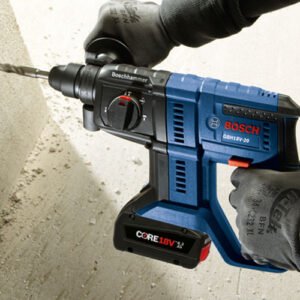
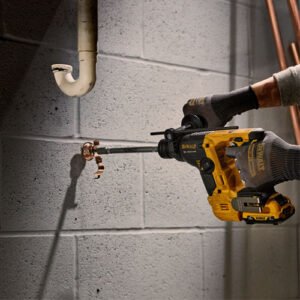
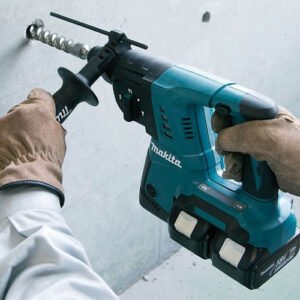
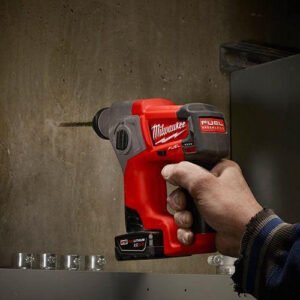
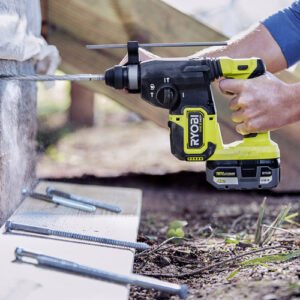


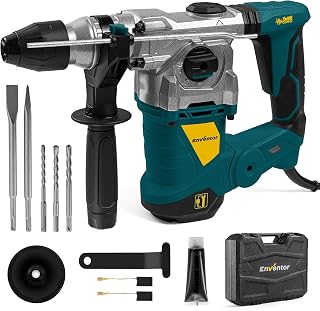


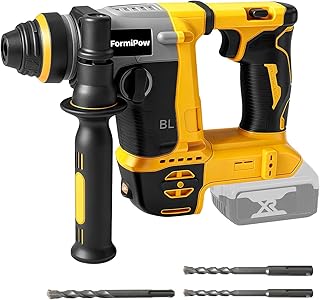


A cordless SDS hammer drill can be one of the most useful power tools for drilling into concrete, masonry, brick and other hard building materials without being tied to an electrical outlet. For Canadian homeowners, renovators, contractors and DIY users, the best choice is not necessarily the drill with the highest advertised impact rating. Battery platform, impact energy, drilling capacity, weight, vibration control, chuck compatibility, ergonomics and the availability of batteries and accessories can all affect the real-world value of a purchase.
This buying guide focuses on the factors worth comparing when evaluating cordless SDS rotary hammers in Canada in 2026. Product specifications can vary by model and kit configuration, so always verify the exact model number, included battery, charger, accessories and manufacturer specifications before purchasing.
A conventional cordless hammer drill uses a hammering mechanism primarily intended for occasional masonry drilling. A cordless SDS rotary hammer is designed around a different type of percussion system and an SDS-compatible tool holder, allowing the machine to deliver substantially more effective impact action for concrete and masonry applications.
The term SDS commonly refers to a slotted drive system that allows compatible drill bits and chisels to be inserted and removed quickly without a conventional keyed or keyless chuck. SDS-Plus is widely used for general-purpose rotary hammer work, while SDS-Max is generally associated with larger, heavier-duty machines and accessories.
Impact energy is one of the most important specifications when comparing rotary hammers. It describes the energy delivered by the hammering mechanism and is normally expressed in joules. Higher impact energy can be useful for larger holes, harder concrete and chiselling, but it is not automatically better for every user.
A compact SDS-Plus machine with moderate impact energy may be more practical for installing anchors, drilling holes for electrical or plumbing work and completing occasional renovation tasks. A heavier model may make more sense for demanding professional applications where the tool will be used frequently and with larger accessories.
Do not compare impact-energy figures in isolation. Manufacturers can use different testing methods and product configurations, so the specification should be considered alongside drilling diameter, motor design, ergonomics and intended application.
No-load speed describes how quickly the tool rotates without being subjected to drilling resistance. Higher speed can be useful for certain drilling applications, but rotary hammers are not simply judged by maximum RPM.
For concrete drilling, the effectiveness of the percussion mechanism, torque delivery, bit design and ability to maintain performance under load can be more significant than the maximum no-load speed. Variable-speed control can also make a tool easier to use when starting holes or working with different materials.
Blows per minute, sometimes abbreviated as BPM, indicates the frequency of the hammering action. A high BPM figure can contribute to efficient drilling, but the number should be interpreted together with impact energy. A tool producing many relatively light impacts is not equivalent to a machine delivering fewer but substantially stronger impacts.
For buying decisions, look at the complete percussion system rather than selecting a drill solely because it has the highest BPM specification.
Manufacturers normally specify maximum drilling capacities for materials such as concrete, steel and wood. These figures are useful for determining whether a tool is appropriate for your intended jobs.
If your work primarily involves small holes for wall anchors, conduit, mounting brackets and similar installations, an extremely large drilling capacity may provide little practical benefit. If you routinely drill larger holes through structural masonry, a more powerful SDS rotary hammer may be a better long-term choice.
SDS-Plus is generally the more versatile choice for homeowners, remodelers, electricians, plumbers and many tradespeople who need a portable concrete-drilling tool without moving into the largest rotary-hammer class.
SDS-Max is designed for more demanding work and uses substantially larger accessories. It can be excessive for someone who only needs to drill occasional anchor holes in a basement wall or concrete slab.
The major advantage of a cordless SDS hammer drill is freedom of movement. There is no extension cord to position around ladders, scaffolding, vehicles, workbenches or unfinished rooms. This can make short drilling jobs considerably faster to set up.
Cordless tools can also be particularly convenient during renovations where electrical access is limited or when working outdoors. The trade-off is that performance depends on the battery and the tool's electrical system, and extended heavy use may require multiple batteries.
For occasional users, a kit containing a battery and charger can be more convenient than buying a bare tool. Users already invested in a compatible battery platform may find a bare-tool purchase more economical, provided the existing batteries meet the tool's requirements.
Battery voltage is only one part of cordless-tool performance. Battery capacity, motor efficiency, electronic controls and the design of the complete power system all influence runtime and sustained performance.
Popular professional cordless platforms from brands such as Milwaukee, DeWalt, Makita, Bosch and Hilti offer multiple tools that can share batteries within compatible product families. Ryobi also has a broad cordless ecosystem aimed at homeowners and DIY users.
However, batteries are not universally interchangeable between brands or even between every product generation within a brand. Always confirm compatibility using the exact manufacturer model numbers.
Battery capacity is commonly expressed in ampere-hours, or Ah. In general terms, a higher-capacity battery can provide more stored energy, although actual runtime depends heavily on the tool, workload, material and operating conditions.
A cordless SDS hammer drill can become tiring quickly when used overhead, on ladders or for repeated drilling. Weight should therefore be considered alongside power rather than treated as a minor specification.
Pay attention to the weight of the complete operating configuration, including the battery. A manufacturer may quote tool weight without the battery, while another specification may include it. Comparing these figures directly can produce a misleading impression.
Handle position, grip shape, balance and trigger placement can also influence fatigue. A well-balanced tool may feel easier to control than a slightly lighter model with an awkward centre of gravity.
Rotary hammering produces significant vibration, particularly during prolonged concrete drilling and chiselling. Anti-vibration features can improve comfort and control, although they do not eliminate the need for sensible work practices and appropriate personal protective equipment.
If the tool will be used frequently, vibration management deserves substantially more attention than it might for an occasional DIY purchase. Compare the manufacturer's published vibration information where available, and consider the intended operating position and duration of use.
A versatile SDS rotary hammer may provide several operating modes. The exact selection varies by model, so verify the manufacturer's specification before assuming a particular function is included.
Some models also provide selectable chisel positions, allowing the accessory to be rotated to a more convenient orientation before starting work.
Many modern cordless SDS hammer drills use brushless motors. Brushless technology eliminates conventional carbon brushes and can provide benefits in efficiency, durability and electronic control.
For a frequently used cordless tool, brushless technology can be attractive because it is well suited to modern electronic motor management and high-output battery systems. That does not mean every brushed tool is unsuitable; intended use, price, warranty terms, battery ecosystem and overall specifications remain important.
Concrete and masonry drilling creates fine mineral dust. Dust control should therefore be considered as part of the tool and accessory selection rather than as an afterthought.
Some rotary-hammer systems can be paired with dust-extraction accessories or vacuum systems. These can help capture drilling dust at the source. The exact compatibility varies by model, so check the manufacturer's accessory information before buying.
For indoor renovation work, effective dust management can be particularly valuable because concrete dust can spread well beyond the immediate drilling location.
Powerful cordless rotary hammers require appropriate handling. Certain models include electronic or mechanical protection features intended to improve control when an accessory encounters resistance or binds.
Safety technology should complement, not replace, proper operating technique. Use the correct bit, maintain stable footing, follow the manufacturer's instructions and wear suitable eye and hearing protection for the task.
A homeowner who occasionally drills into concrete for shelves, railings, wall anchors or renovation projects will usually benefit from a compact SDS-Plus cordless model rather than a large professional demolition machine.
Prioritize manageable weight, easy accessory changes, sufficient concrete drilling capacity, battery availability and a comfortable grip. A smaller machine can also be easier to store and transport.
Renovators may need greater versatility because projects can involve drilling, chiselling, tile removal and occasional light demolition. A model with multiple operating modes and a broad SDS-Plus accessory range can be particularly useful.
Tradespeople should consider the complete cordless ecosystem. If you already use batteries from Milwaukee, DeWalt, Makita, Bosch or another established platform, staying within that ecosystem can reduce the need for additional chargers and batteries.
For professional use, also evaluate vibration management, serviceability, durability features, battery charging options, accessory availability and the manufacturer's support arrangements.
Users performing frequent heavy drilling or chiselling should look beyond compact consumer-oriented models. Higher-capacity battery systems, stronger percussion mechanisms, larger drilling capacities and advanced vibration-control systems can become more important than minimizing purchase weight.
A high impact-energy number can look impressive, but it does not tell you everything about a rotary hammer. Tool balance, drilling capacity, motor efficiency, vibration, battery performance and accessory compatibility can have a major influence on suitability.
A bare tool may appear inexpensive compared with a complete kit, but the total cost can change substantially if you need to purchase batteries and a charger separately.
More power can mean additional weight and bulk. If your typical task involves small anchor holes rather than heavy demolition, an oversized rotary hammer may be unnecessarily cumbersome.
The opposite mistake is equally important. A compact tool designed for drilling small holes may not be the right choice for repeated chiselling or large-diameter concrete drilling.
The drill is only part of the system. SDS bits, chisels, dust-extraction accessories and cases can materially affect the usefulness of the purchase. Check which accessories are included and which must be purchased separately.
Two listings can appear to represent the same drill while containing different batteries, chargers or accessories. Always compare the complete kit contents and exact model number rather than relying solely on the product title.
A useful comparison should place the most relevant specifications side by side. Instead of asking which drill has the single highest number, assess how the complete package matches your work.
Manufacturers and retailers commonly offer cordless rotary hammers in several configurations. A bare tool normally includes the machine without a battery or charger, while a kit may include one or more batteries and a charger.
Bare tools can be an excellent choice when you already own compatible batteries. A complete kit can be more appropriate when entering a cordless platform for the first time.
When comparing deals, calculate the complete system cost rather than comparing the advertised price of the tool alone. Consider the number and capacity of batteries, charger type, included case and accessories.
Battery runtime is highly dependent on workload. Drilling a few small holes is very different from continuously chiselling concrete. Hard material, large accessories, operator pressure, drilling depth and temperature can all affect energy consumption.
For demanding work, carrying a spare compatible battery can be more useful than trying to estimate an exact number of holes from a generic runtime claim. Manufacturer runtime figures, where published, should be treated as application-dependent rather than universal.
Canada's climate makes battery management particularly relevant for users working in unheated garages, workshops or outdoor construction environments. Lithium-ion batteries can behave differently at low temperatures, and charging requirements may also be temperature-dependent.
Follow the battery manufacturer's instructions regarding operating and charging temperatures. Avoid assuming that a battery should be charged immediately after exposure to very cold conditions. If the manufacturer's guidance calls for warming the battery before charging, follow that guidance.
For winter work, storage and transportation practices can therefore matter almost as much as the nominal battery capacity.
Not every masonry surface behaves the same way. Concrete can be substantially harder and denser than some brick or block materials, while reinforced concrete introduces additional challenges when drilling encounters embedded metal.
Use accessories designed for the material and application. SDS-compatible carbide-tipped masonry bits are commonly used for concrete and masonry drilling, while specialized accessories may be required for particular materials or hole sizes.
When drilling into structural elements, electrical installations, plumbing routes or reinforced concrete, take appropriate precautions and verify that the intended drilling location is suitable before starting.
Even an excellent rotary hammer cannot compensate for a poor or inappropriate accessory. Bit quality influences drilling speed, hole accuracy, wear and the amount of effort required.
Regular maintenance can help preserve performance and reduce avoidable wear. Always disconnect the battery before carrying out maintenance or accessory-related work unless the manufacturer's procedure specifically states otherwise.
Battery longevity depends on chemistry, charging practices, temperature, workload and storage conditions. Use the manufacturer's recommended charger and avoid exposing batteries to conditions outside their specified operating or storage range.
For users with multiple batteries, rotating them according to normal workload can make it easier to maintain a productive workflow without repeatedly exhausting a single battery. Store batteries in a suitable environment rather than leaving them exposed to extreme heat or cold.
Several established power-tool manufacturers offer cordless rotary-hammer platforms that may be worth investigating. Milwaukee, DeWalt, Makita, Bosch and Hilti are well-known names in professional power tools, while Ryobi offers a broad cordless ecosystem that can appeal to homeowners and DIY users.
Brand reputation should not be treated as a substitute for model-level comparison. A brand can offer compact, mid-range and heavy-duty tools with very different specifications. Compare the exact model, battery system, intended application, included equipment and manufacturer documentation.
A cordless rotary hammer is not automatically the correct tool for every drilling job. For occasional light masonry work, a conventional hammer drill may be sufficient. For extremely heavy demolition, a larger corded or specialized demolition machine may be more appropriate.
If your work involves drilling primarily into wood or metal, an SDS rotary hammer may also be unnecessary. Selecting a tool according to the material and task can save both money and unnecessary weight.
Before purchasing a cordless SDS hammer drill, work through this checklist:
A discount does not necessarily make a product a smart buy. The most useful approach is to compare the complete value proposition against your requirements.
Start by identifying the exact model number. Then compare the manufacturer's specifications, kit contents and battery configuration. If two listings use the same drill name but include different batteries, chargers or accessories, they should not be treated as identical deals.
It is also useful to compare the current price with the normal price of the complete configuration rather than focusing only on the percentage discount displayed by a retailer. Promotions, bundle offers and battery incentives can change the relative value between competing cordless platforms.
Customer feedback can provide useful information that specifications do not always capture, but reviews should be evaluated carefully. Focus on recurring observations rather than isolated comments.
Give greater weight to reviews that clearly identify the exact model and describe the application. A review from someone drilling occasional anchor holes should not automatically determine whether a tool is suitable for daily heavy construction.
If concrete and masonry drilling is a regular requirement, an SDS-Plus rotary hammer can provide a more specialized solution than a conventional hammer drill. For only occasional small holes, a standard hammer drill may be enough.
Many cordless SDS rotary hammers are specifically designed for concrete drilling. The appropriate model depends on the required hole diameter, concrete hardness, drilling frequency and accessory type.
No. Battery voltage should be considered with motor design, impact energy, battery capacity, tool weight and intended application. A higher-voltage system can be unnecessary if your work consists mainly of small holes.
Brushless motors are an attractive option for many cordless-tool users, particularly those expecting frequent use, but the decision should still be based on the complete tool specification and value rather than motor type alone.
Some models provide a rotary-only mode, but capabilities vary. If conventional drilling is important, verify the manufacturer's supported modes and whether an appropriate chuck or adapter is available for the exact model.
You need an accessory compatible with the machine's SDS interface. SDS-Plus and SDS-Max are different systems, so their accessories are not interchangeable simply because both are described as SDS.
The smartest cordless SDS hammer drill purchase is the one that matches the actual workload rather than the largest specification sheet. For occasional household work, prioritize manageable weight, simple operation, reasonable drilling capacity and a battery system that fits your existing tools. For renovation and trade work, look more closely at impact energy, vibration control, operating modes, accessory compatibility and battery endurance. For demanding construction applications, prioritize sustained performance, heavy-duty design, larger capacity and the complete cordless ecosystem.
Before committing to a 2026 deal, verify the exact model number, current specifications, battery and charger configuration, included accessories and retailer price. Compare several suitable models rather than assuming the highest-rated or most powerful machine is automatically the best option.
For Canadian buyers, the best value can also come from choosing a cordless platform that you expect to use across multiple tools. A compatible battery can potentially serve a rotary hammer, drill/driver, impact driver, saw or other cordless equipment, making the wider ecosystem an important part of the long-term buying decision.
There is no single best model for every Canadian buyer. The right choice depends on drilling diameter, concrete hardness, usage frequency, required operating modes, tool weight, battery platform and budget. Compare exact model specifications and current kit contents before choosing.
Yes. Cordless SDS rotary hammers are specifically designed for applications such as drilling concrete and masonry, provided the selected model and accessory are appropriate for the required hole size and material.
SDS-Plus provides a convenient tool-holder system for compatible bits and chisels and is a versatile choice for many concrete-drilling and light-to-moderate chiselling applications.
SDS is commonly used as a general term for the slotted drive system, while SDS-Plus identifies a particular interface and accessory size family. Always verify compatibility between the exact machine and accessory.
Neither is universally better. Cordless tools offer mobility and convenience, while corded tools can be advantageous when continuous access to mains power is available and extended operation is required. The best option depends on the work environment and workload.
The required impact energy depends on the size and frequency of the holes and whether chiselling is involved. Small installation jobs generally do not require the same percussion capability as heavy construction or demolition.
A brushless model can be a strong choice for frequent cordless use because of its modern motor design and electronic control capabilities. However, compare the complete tool rather than selecting solely on the basis of brushless technology.
Choose a bare tool if you already own compatible batteries and a charger. A complete kit can make more sense when starting with a new battery platform. Always compare the total cost and the exact contents of each configuration.
Battery capacity affects the amount of stored energy available, but actual runtime varies according to workload, material, bit size and operating conditions. Higher-capacity batteries can be useful for demanding applications, although they may add weight.
Yes, provided the tool is matched to the work. A compact SDS-Plus model can be particularly useful for homeowners who regularly need to drill concrete or masonry and want more specialized performance than a conventional hammer drill.
Check the exact model number, SDS interface, impact energy, drilling capacity, operating modes, weight, battery compatibility, battery capacity, charger, accessories, warranty information and current retailer price. Also verify that any customer reviews you rely on refer to the same model and configuration.
Use the specifications, application guidance, verified customer feedback and current Canadian pricing together when comparing the best smart-buy cordless SDS hammer drill deals for 2026. A thoughtful model-level comparison is more reliable than choosing solely by brand, headline discount or one impressive specification.