

♥ Wishlist
Compare 19 Cordless Metal Cutting Saws products in Canada. Reviews, ratings, pros, cons and buying advice updated for October 2026.
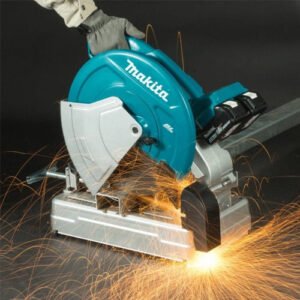
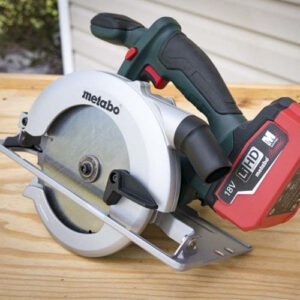
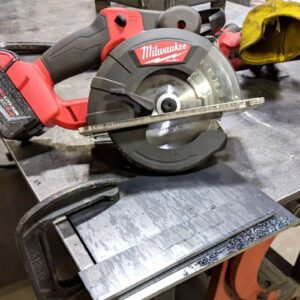
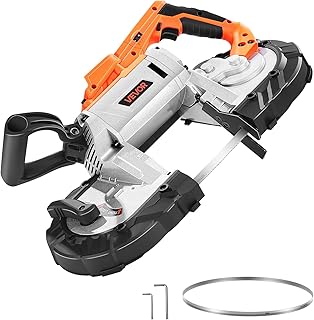


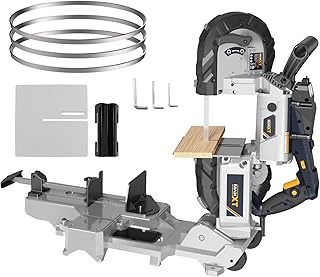
Choosing a cordless metal cutting saw is less about selecting the tool with the highest advertised specification and more about matching the saw to the material, cutting frequency, battery platform, blade system and working environment. A compact saw that is ideal for sheet metal may not be the right choice for repeated cuts through structural steel, while a high-output model can be unnecessarily heavy for occasional DIY projects.
For Canadian buyers, battery compatibility deserves particular attention. A cordless metal cutting saw is part of a larger tool ecosystem, so the cost and practicality of owning the saw depend on whether you already have compatible batteries and a charger. Platforms from manufacturers such as Milwaukee, DeWalt, Makita, Bosch, Metabo HPT and Ryobi can make sense when you already own other cordless tools from the same system.
A smart buy is not necessarily the cheapest cordless metal cutting saw. The better value is the model that delivers the required cutting performance without forcing you to pay for capabilities you will rarely use. Consider the complete ownership equation: tool performance, battery requirements, blade availability, ergonomics, replacement parts, maintenance and the type of metal you intend to cut.
The phrase “metal cutting saw” covers several different tool designs. Understanding the differences can prevent a costly mismatch between the tool and the application.
A dedicated cordless metal cutting saw is designed to provide portable cutting without a power cord. It can be particularly useful on construction sites, renovation projects, workshops and locations where access to mains electricity is inconvenient. The main advantages are mobility and fast setup, while the primary considerations are battery runtime, heat generation and consumable costs.
An angle grinder is extremely versatile and can cut, grind and finish metal depending on the accessory installed. It can be useful for irregular work and tight access, but it does not provide the same guided cutting experience as a dedicated saw. Users should also consider the different guarding, accessory and operating requirements associated with abrasive cutting.
A cordless reciprocating saw can cut many metal materials when fitted with an appropriate blade. It is particularly useful for demolition, awkward positions and applications where a conventional circular cutting path is impractical. However, it is generally a different proposition from a dedicated metal-cutting saw when repeatable straight cuts are the priority.
A portable band saw is another strong option for metal fabrication and installation work. Its cutting action can produce relatively controlled cuts while generating a different type of chip and heat profile than abrasive methods. The trade-off is that a band saw has its own blade requirements, dimensions and operating characteristics.
A chop saw can be a strong choice for stationary workshop or fabrication work where portability is less important. It can provide repeatable cuts on suitable stock, but the larger stationary format may be less convenient when moving between locations. Cordless models attempt to combine some of that cutting convenience with battery portability.
Cutting capacity should be evaluated against the actual profiles you work with. Metal may appear as sheet, tubing, angle iron, channel, flat stock, threaded rod, conduit or other shapes, and the stated capacity of a saw does not necessarily translate directly to every profile.
Before purchasing, make a list of the largest and most common materials you expect to cut. Note the material type, thickness and shape. Then compare those requirements with the manufacturer's specifications for the exact model rather than relying on a retailer's abbreviated description.
Mild steel, stainless steel, aluminium and other metals behave differently during cutting. Material hardness, thickness, cross-sectional shape and thermal characteristics can influence cutting speed, blade wear and battery consumption. A blade suitable for one application should not automatically be assumed suitable for another.
The blade is one of the most important components of a metal-cutting saw. A high-quality saw equipped with an unsuitable or worn blade can deliver disappointing results, while the correct blade can make a substantial difference to cut quality and efficiency.
Blade cost should be included in a realistic buying comparison. A tool that appears inexpensive may become less economical if its appropriate consumables are difficult to source or unusually expensive for your workload.
Tooth configuration affects how a blade engages with the workpiece. The correct choice depends on material thickness, profile and the saw manufacturer's recommendations. A blade intended for thinner stock is not automatically the best choice for thick structural material.
For anyone comparing cordless metal cutting saw deals, it is worth checking whether the listed package includes a blade and, more importantly, what type of blade is supplied. A bundled accessory can be useful, but it should not be treated as proof that the saw is suitable for every metal-cutting application.
Battery specifications can be confusing because voltage and amp-hour capacity describe different characteristics. Voltage is associated with the electrical platform and operating requirements, while amp-hours describe battery capacity within that platform. A larger battery can potentially provide longer runtime, but it can also add weight.
Runtime cannot be predicted accurately from amp-hours alone. Cutting thick material, making frequent starts and stops, using a dull blade or applying excessive force can increase energy consumption. Battery temperature and battery condition can also affect practical performance.
A bare-tool package can be an economical choice when you already own compatible batteries and a charger. For someone entering a battery platform for the first time, however, a kit containing the necessary battery and charger may offer better overall practicality.
When comparing deals, calculate the complete purchase rather than comparing the advertised tool price alone. Ask whether you already have the required battery, whether another battery size is recommended for the workload and whether a charger is needed.
Many modern cordless power tools use brushless motors. Brushless designs eliminate conventional motor brushes and can offer advantages in efficiency, durability and electronic control. These benefits can be particularly relevant in cordless tools because efficient power usage can contribute to useful runtime.
However, “brushless” should not be treated as the only buying criterion. A brushless motor does not automatically make one saw better than another. Cutting capacity, blade compatibility, ergonomics, battery platform, guarding and manufacturer specifications remain important.
Depending on the model, cordless metal cutting saws may incorporate electronic systems intended to manage motor operation, battery load, overheating or other operating conditions. Features and terminology vary between manufacturers, so buyers should consult the specifications for the exact model.
Do not assume that a saw with sophisticated electronic controls is maintenance-free. Metal cutting still produces chips, dust and heat, and the tool should be maintained according to its manufacturer's instructions.
Weight is only one part of tool ergonomics. Two saws with similar listed weights can feel very different because of battery position, motor placement and handle geometry.
Metal cutting produces chips and debris that can accumulate around the tool and work area. The appropriate cleaning method depends on the saw and the manufacturer's maintenance instructions. Never assume that a cordless metal cutting saw is designed to tolerate unlimited exposure to metal debris, moisture or construction dust.
For Canadian jobsite use, storage conditions also deserve attention. Extreme temperatures can affect batteries and electronic equipment. Follow the battery manufacturer's storage, charging and temperature guidance rather than leaving batteries exposed to unsuitable conditions.
Metal cutting should be treated as a high-energy operation. Buyers should examine the supplied guard, switch configuration, blade-retention system and other safety components before purchasing and should read the manufacturer's instructions before operating the tool.
Personal protective equipment should be selected for the specific cutting operation. Eye and hearing protection are commonly relevant considerations, while gloves, footwear, clothing and respiratory protection should be chosen according to the work environment and applicable safety guidance. Keep bystanders away from the cutting area and secure the workpiece before cutting.
Brand selection can matter because cordless tools are increasingly built around battery ecosystems. Milwaukee, DeWalt and Makita have extensive cordless professional tool ranges, while Bosch, Metabo HPT and Ryobi offer their own battery-platform approaches. The right brand is often the one that fits the rest of your existing tools and provides suitable batteries, chargers and accessories for your intended work.
Milwaukee is well known for its cordless professional-tool ecosystem. Buyers considering a Milwaukee metal-cutting saw should compare the exact model's battery requirements, cutting specifications and intended application rather than assuming every tool in the platform offers identical performance.
DeWalt's cordless platform is another major consideration for users who already have compatible batteries. When comparing a DeWalt model with competing saws, focus on actual cutting capacity, blade compatibility, ergonomics and the total cost of the battery system.
Makita offers a broad range of cordless equipment and is particularly relevant for buyers already invested in its battery ecosystem. As with any manufacturer, specifications should be checked at the individual model level because battery requirements and intended applications vary.
Bosch has a long-established power-tool presence and offers cordless equipment across multiple applications. Buyers should verify the exact Canadian-market model, compatible battery system and recommended accessories before making a purchase.
Metabo HPT is another manufacturer worth considering when comparing cordless cutting tools. Its platform compatibility can be especially relevant to existing tool owners who want to consolidate batteries and chargers.
Ryobi's broad cordless ecosystem can appeal to DIY users and homeowners who value battery-platform flexibility across many household and workshop applications. For metal cutting, however, the exact model's specifications should take priority over the brand's general reputation.
Professional users generally place greater emphasis on repeatability, durability, runtime, accessory availability and ergonomic performance because the tool may be used frequently. A contractor making numerous cuts throughout a workday has different requirements from a homeowner completing occasional repairs.
DIY buyers should avoid paying for professional-level capability that does not match their workload. Conversely, choosing a lightweight consumer-oriented model for frequent heavy cutting can lead to frustration if its specifications do not match the application.
The lowest advertised price may not represent the lowest total cost. Battery requirements, charger costs and replacement blades can materially change the final investment.
A saw may appear inexpensive as a bare tool while requiring a separate battery and charger. Always establish the complete system cost before comparing offers.
Different metals and material thicknesses can require different cutting solutions. Check the manufacturer's accessory guidance rather than treating the included blade as universally suitable.
Check the actual dimensions and profiles you need to cut. A saw that handles small tubing well may not be appropriate for substantially thicker material.
Weight becomes more significant when cutting overhead, moving around a jobsite or performing repeated cuts. Compare tool weight with the battery installed, where that information is available.
Not every cordless circular saw is designed for metal cutting. Always verify the manufacturer's intended application and approved accessories before using a saw on metal.
Rather than ranking cordless metal cutting saws on one specification, compare them using a consistent checklist. This makes it easier to identify the best option for a particular workload.
Before placing an order, use the following checklist to reduce the chance of buying a tool that does not fit your requirements.
Tool technique has a major influence on cutting performance. Allow the saw to do the work rather than forcing it through the material. Excessive pressure can increase heat, place additional load on the motor and accelerate blade wear.
Secure the workpiece firmly and establish a stable cutting position before starting. Use the correct blade and inspect it before beginning the job. If cutting performance deteriorates noticeably, investigate blade condition and material compatibility instead of simply increasing pressure.
Routine maintenance helps preserve performance and allows problems to be identified before they become more serious. Follow the exact maintenance instructions supplied by the manufacturer because construction and service requirements vary by model.
A deal should be evaluated by what is included, not simply by the headline price. Two listings for what appears to be the same saw may differ in battery capacity, number of batteries, charger inclusion, blade configuration or other accessories.
When comparing Canadian offers, check the exact model number and package contents. This is especially important when comparing listings from different retailers or marketplaces. A small difference in the model designation can represent a different kit configuration or specification.
Occasional users can often prioritise affordability and versatility, while frequent users should place more weight on ergonomics, durability, battery management and consumable availability.
Use your actual maximum requirement as a baseline. Do not select a saw solely because it handles the smaller material you cut most frequently.
If you already have a battery platform, staying within that ecosystem may reduce the need to purchase additional chargers and batteries.
For repeatable straight cuts, a dedicated metal-cutting saw may be more suitable than a more general reciprocating tool. For demolition and difficult access, a reciprocating saw may be more versatile.
If the tool will be transported frequently between work areas, the cordless format can provide a practical advantage. If the tool will remain in a workshop, a corded or stationary alternative may deserve consideration.
There is no single best model for every Canadian buyer. The right choice depends on the material being cut, required capacity, cutting frequency, battery platform, ergonomics and budget. Compare the exact specifications of the models that meet your application before choosing.
Many cordless saws are designed for metal-cutting applications, but suitability depends on the exact model, blade and steel profile. Check the manufacturer's stated application and cutting capacity rather than assuming that every cordless saw is suitable for every type of steel.
A brushless motor can provide useful efficiency and durability advantages, particularly in battery-powered equipment. However, motor technology should be considered alongside cutting capacity, battery platform, ergonomics, blade compatibility and overall specifications.
If you already own compatible batteries, a bare tool may be practical. If you are starting a new battery platform, compare the total cost of the saw, batteries and charger rather than judging a bare-tool price by itself.
No. Blade diameter, arbor dimensions, construction and application compatibility all matter. Use accessories that meet the saw manufacturer's requirements and are appropriate for the material being cut.
They can be, particularly when portability is valuable and the saw's specifications match the project. For occasional work, compare the cost of the complete cordless system with other suitable metal-cutting tools before deciding.
There is no universal runtime figure because battery consumption depends on material type, thickness, number of cuts, blade condition, cutting technique, battery capacity and tool design. Manufacturer runtime information, when provided for the exact application, is more useful than a generic estimate.
The appropriate battery depends on the saw and workload. Larger-capacity batteries can provide more energy but generally add weight. For repetitive cutting, runtime may be more important; for overhead or highly mobile work, a lighter setup may be preferable.
Not completely. A dedicated saw and an angle grinder are designed around different cutting methods and use cases. A grinder may provide greater versatility for cutting, grinding and finishing, while a dedicated saw can be preferable when controlled cutting is the primary task.
The strongest way to choose among cordless metal cutting saws is to start with the job rather than the marketing headline. Identify the material, maximum thickness, required cut type and frequency of use first. Then compare the exact saw specifications, blade system, battery platform, ergonomics and complete package contents.
For Canadian shoppers, also distinguish between the tool itself and the current deal. A temporary price reduction does not make an unsuitable saw a good purchase, while a correctly matched model can provide better long-term value even when its initial price is higher. Check current retailer pricing, read verified customer feedback critically, confirm the exact model number and review the manufacturer's specifications before completing a purchase.
Ultimately, the best smart-buy cordless metal cutting saw is the one that provides enough capacity for your real projects, works efficiently within your battery ecosystem, accepts appropriate readily available consumables and remains comfortable and practical for the way you work.