

♥ Wishlist
Compare 13 Cordless Combi Drills products in Canada. Reviews, ratings, pros, cons and buying advice updated for October 2026.
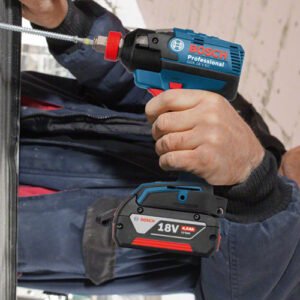
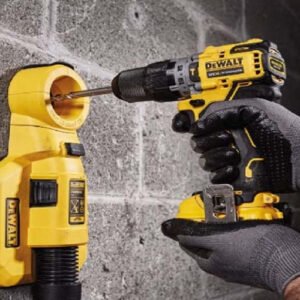
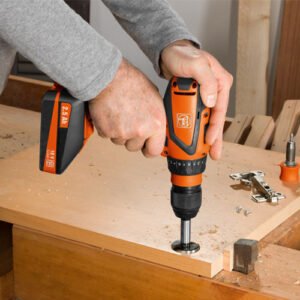
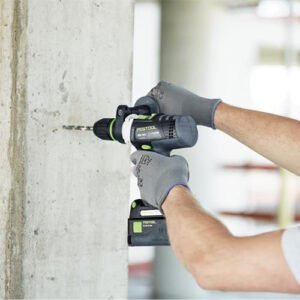
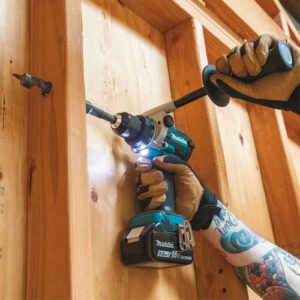
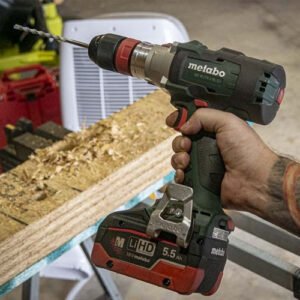
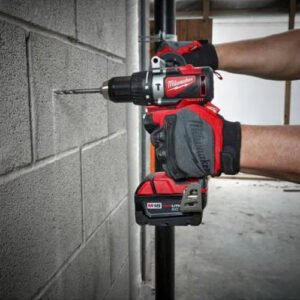
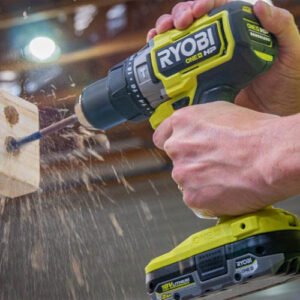


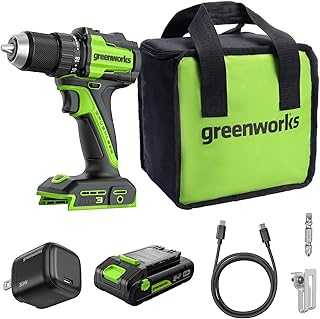


A cordless combi drill is one of the most versatile power tools for Canadian homeowners, DIY users, renovators and tradespeople. Unlike a conventional cordless drill, a combi drill can normally handle several jobs through selectable operating modes, including screwdriving, standard drilling and hammer drilling. That flexibility makes it useful for everything from assembling furniture and installing shelves to drilling into masonry and completing renovation work.
However, the best cordless combi drill is not necessarily the one with the highest voltage, the largest battery or the longest feature list. A better buying decision comes from matching the drill's torque, chuck, speed range, hammer action, battery platform, ergonomics and included accessories to the work you actually expect to perform.
For Canadian shoppers, additional considerations can include metric and imperial accessories, cold-weather storage, availability of compatible batteries and chargers, warranty terms, replacement parts and the type of construction materials commonly encountered in Canadian homes. Brands such as DeWalt, Makita, Milwaukee, Bosch, Ryobi, Metabo HPT and Black+Decker offer cordless drilling systems covering different budgets and use cases, but specifications can vary substantially between models.
A cordless combi drill combines the basic functions of a cordless drill and a hammer drill in one battery-powered tool. Most models provide a selector that allows the user to choose between screwdriving, rotary drilling and hammer drilling modes.
This makes a combi drill particularly attractive when you want one general-purpose cordless tool rather than separate equipment for every basic drilling and fastening task. It is important, however, to distinguish a combi drill from an SDS rotary hammer. A combi drill's hammer mechanism is intended for lighter masonry drilling, whereas an SDS rotary hammer is generally the more appropriate tool for extensive work in concrete, reinforced masonry or other demanding mineral materials.
Cordless tools remove the need to work beside a power outlet and make it easier to move around garages, workshops, construction sites, basements and outdoor projects. For homeowners, the absence of a power cord can be especially convenient when installing fixtures, repairing fences or working in areas where extension cords would be inconvenient.
Modern battery systems also make it possible to share batteries between multiple tools from the same manufacturer. Someone who already owns compatible batteries can sometimes reduce the overall cost of expanding a cordless tool collection by purchasing a bare tool rather than another battery and charger.
Canadian buyers should nevertheless pay attention to battery storage and operating conditions. Lithium-ion batteries should be stored and charged according to the manufacturer's instructions, and extreme temperatures can affect battery performance. A tool that performs well indoors may have different runtime characteristics when used in an unheated garage during colder weather.
Voltage is one of the most visible specifications on a cordless drill, but it should not be treated as a complete measure of performance. A higher-voltage platform may provide greater power potential, but motor design, gearing, battery capacity and electronic controls also influence how a drill performs.
For many household projects, a compact lower-voltage platform can provide a useful balance of size, weight and capability. More demanding renovation and construction work may justify a higher-performance platform.
Battery compatibility deserves particular attention. If you already own cordless tools, staying within the same battery ecosystem can be more practical than starting a second platform. Before buying a bare tool, confirm that you already have the correct compatible battery and charger.
Battery capacity is commonly expressed in ampere-hours, or Ah. In general terms, a higher-capacity battery can provide more stored energy, although actual runtime varies according to the tool, material, workload, battery condition and operating conditions.
A larger battery is not automatically better. Holding a heavy drill above shoulder height or using it repeatedly during overhead installation can make weight more noticeable than additional runtime.
Torque describes the twisting force available at the drill's output. High torque can be useful when driving large fasteners or drilling larger holes, but maximum torque alone does not determine whether a drill is suitable for a particular task.
For screwdriving, an adjustable clutch is particularly valuable. The clutch lets the user select a lower or higher fastening setting, helping reduce the likelihood of overdriving screws or damaging softer materials. A drill with many clutch positions can provide finer control for repetitive fastening jobs.
Two-speed mechanical gearboxes are common on cordless combi drills. A lower speed range generally prioritizes controlled operation and torque, while a higher range is useful for faster drilling in suitable materials.
A variable-speed trigger adds another layer of control by allowing the operator to regulate speed progressively rather than relying only on the gearbox selector.
Many general-purpose cordless combi drills use a keyless chuck, allowing drill bits and other compatible accessories to be changed without a separate chuck key. A 13 mm chuck can accept a broad selection of commonly used accessories, while smaller compact drills may use a smaller chuck.
When comparing models, look beyond the chuck diameter and consider how securely it grips accessories, how easy it is to operate with one hand and whether the accessories you already own are compatible.
The hammer function is one of the main reasons to select a combi drill instead of a conventional drill driver. In hammer mode, the drill produces rapid impacts while rotating, helping the bit penetrate suitable masonry materials.
Hammer mode is useful for tasks such as drilling smaller holes for masonry anchors, mounting hardware and installing fixtures. It is not a substitute for a dedicated rotary hammer when the project involves extensive concrete drilling, large holes or prolonged heavy-duty masonry work.
Brushless motors eliminate conventional carbon brushes and use electronic control of the motor. Depending on the design, brushless systems can offer advantages in efficiency, motor durability and electronic control.
Brushed drills can still be perfectly suitable for occasional household use and may be available at a lower purchase cost. A brushless model can make more sense for frequent DIY, renovation or professional workloads where efficiency, durability and long-term tool-platform investment matter.
A brushless combi drill is often worth considering when the tool will be used frequently. Because the motor does not rely on replaceable carbon brushes, there are fewer conventional wear components in the motor system. Electronic motor management can also help manufacturers optimize power delivery and battery use.
For an occasional user who drills a few holes and assembles furniture several times a year, paying substantially more for advanced motor technology may not provide the best value. For a frequent DIY user, renovator or tradesperson, however, the additional investment can be easier to justify.
Compact drills are easier to manoeuvre in cupboards, between framing members and in confined spaces. Their lower weight can also reduce fatigue during repetitive overhead work.
Full-size models may provide more torque, larger batteries, stronger gearboxes or additional features. The trade-off is that they can be heavier and less convenient for precision work in tight spaces.
A cordless drill is often the entry point into a larger battery ecosystem. Once you own several compatible batteries and chargers, buying additional tools from the same platform can be convenient and economical.
Before choosing a model, consider whether you may eventually want a cordless impact driver, circular saw, reciprocating saw, oscillating multi-tool, grinder or outdoor power equipment. A battery platform with a broad selection of compatible tools can be more useful over several years than a single inexpensive drill with no wider ecosystem.
Do not assume batteries from different brands or product families are interchangeable simply because they have similar voltage ratings. Compatibility should always be confirmed against the manufacturer's specifications.
For general Canadian household projects, prioritize versatility and ease of use rather than extreme specifications.
This combination is suitable for many everyday tasks such as assembling furniture, hanging shelves, installing curtain hardware, mounting cabinets and drilling into wood, metal and suitable masonry.
Renovation work can place substantially greater demands on a drill than occasional household maintenance. If you expect to work for long periods or drill larger holes, examine the gearbox, torque rating, battery system, thermal management, chuck quality and overall ergonomics.
A renovation-focused drill should also be comfortable when used repeatedly. A theoretically powerful model becomes less attractive if its weight, balance or grip causes excessive fatigue during extended use.
For major concrete work, consider whether a dedicated rotary hammer should be added instead of expecting a combi drill to perform every masonry task.
Woodworking places a premium on control. Excessive torque can damage workpieces, strip screws or make it difficult to stop at the desired depth.
For cabinetry, furniture assembly and detailed woodworking, a compact and well-balanced drill can sometimes be preferable to a heavier high-torque model.
Metal drilling requires appropriate bits, controlled speed and suitable technique. High speed is not automatically better, particularly when drilling harder metals or using larger bits.
Consider a drill with good variable-speed control and a gearbox that allows slower operation. Appropriate cutting fluid or lubrication may be necessary for some metalworking applications, depending on the material and manufacturer's guidance.
Always select drill bits specifically intended for the metal being drilled and follow the bit manufacturer's recommendations for speed and technique.
For occasional holes in brick, block and other suitable masonry, the hammer setting can make a combi drill substantially more versatile than a standard drill driver.
Use masonry-rated bits and select the correct diameter for the anchor or fastener. Keep in mind that concrete can be considerably more demanding than softer masonry. If drilling becomes frequent, involves larger diameters or requires substantial depth, a dedicated rotary hammer may be a better choice.
Voltage provides useful information about the battery platform but does not tell the entire performance story. Compare torque, speed, battery capacity, weight, motor type, chuck, controls and overall design rather than choosing solely from the voltage printed on the box.
A low headline price can be misleading if the package contains no battery or charger. Conversely, paying for multiple batteries may be unnecessary if you already own compatible ones.
Check whether the package includes the tool only, one battery, multiple batteries, a charger, a case and accessories. Compare the complete package rather than comparing headline prices alone.
A drill purchase can become the beginning of a larger tool investment. Consider future tools before choosing a battery platform, particularly if you expect to build a cordless collection.
Weight can become important during repetitive drilling and overhead work. Compare the bare tool weight and the weight with the intended battery installed. A large battery can materially change the balance of a compact drill.
The presence of a hammer symbol does not mean every combi drill is suitable for demanding concrete work. Check the manufacturer's recommended applications and drilling capacities before attempting heavy masonry work.
High torque is useful for demanding applications, but controlled torque is equally important for screwdriving. A good clutch, trigger response and gearbox can be more valuable than a headline torque figure for many household tasks.
When comparing two or more models, place the specifications side by side rather than evaluating individual numbers in isolation.
Drilling performance depends on matching speed and torque to the task. Lower gearing generally provides more controlled operation and higher torque at the output, while higher gearing provides greater rotational speed.
For screwdriving, start with an appropriate clutch setting and increase it only when necessary. For drilling, select a speed appropriate to the bit diameter and material. Larger accessories often require more controlled speeds than small drill bits.
The exact recommended speed should come from the accessory manufacturer where available. Different materials and drill-bit designs have different operating requirements.
The drill itself is only one part of the system. The correct accessory can have a major effect on drilling quality, safety and tool performance.
Do not use accessories outside their intended application. A powerful drill cannot compensate for a damaged, inappropriate or poor-quality bit.
Ergonomics are easy to overlook when comparing specification sheets. In real-world use, grip shape, trigger placement, balance and vibration can influence how enjoyable and controllable a drill feels.
Look for a handle that provides a secure grip without forcing your wrist into an awkward position. A well-balanced drill should not feel excessively front-heavy when the battery and normal accessory are installed.
If possible, compare the complete tool configuration rather than evaluating the bare tool alone. Battery size and accessory length can change the balance considerably.
Small features can make a cordless drill easier to use. An integrated LED can improve visibility when working inside cabinets, beneath furniture or in other poorly illuminated areas.
A belt hook can be useful for tradespeople and users who frequently climb ladders or move between work areas. A side handle can improve control on some higher-powered models, particularly during demanding drilling applications.
These features should support the primary requirements rather than replace them. A convenient LED does not compensate for an unsuitable battery system, poor ergonomics or insufficient drilling capacity.
Battery runtime depends on far more than the Ah rating printed on the battery. Continuous heavy drilling can consume considerably more energy than intermittent screwdriving. Larger drill bits, harder materials, high torque loads and frequent hammer operation can also increase energy consumption.
Battery age and storage conditions can affect performance as well. A well-maintained battery platform can be more useful over time than simply selecting the largest battery available.
If your projects involve long periods of continuous work, having a second compatible battery can be more practical than relying on one high-capacity pack and waiting for it to recharge.
A kit normally includes the drill along with some combination of batteries, charger, case and accessories. A bare tool generally contains the drill without a battery and charger.
Several established brands have extensive cordless tool ecosystems in Canada. The right brand depends on budget, intended workload, battery-platform compatibility and the other tools you expect to purchase.
Brand reputation should not be the only deciding factor. Compare the specific model, included battery, charger, specifications, ergonomics and intended applications.
A genuine value comparison should consider the entire package rather than simply looking for the largest advertised discount.