

♥ Wishlist
Compare 44 Building Sets for Kids, Teens & Adults products in Canada. Reviews, ratings, pros, cons and buying advice updated for October 2026.


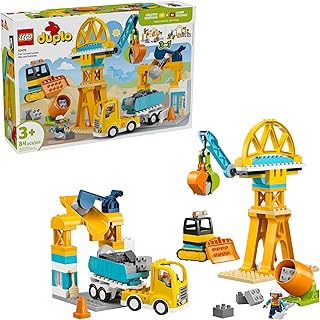


Choosing a building set is about more than finding the largest box or the highest piece count. A smart purchase balances age suitability, build complexity, materials, compatibility, play value, storage requirements and overall value. For Canadian shoppers, it is also sensible to compare the exact product version, included components, retailer information and current pricing before ordering, because specifications and availability can vary between listings.
Building sets can serve very different purposes. Some are designed for open-ended construction and repeated rebuilding, while others are intended to produce a specific vehicle, building, character or display model. LEGO, MEGA, K'NEX and other established manufacturers offer products across several skill levels, so comparing the design philosophy of each set can be more useful than comparing piece counts alone.
A smart buy should provide a good balance between what the builder wants to do and what the set actually supports. A lower-priced set can be excellent value when it provides versatile pieces and repeatable play, while a larger premium set may be worthwhile for a builder who specifically wants an intricate finished model.
Classic construction sets are designed around reusable pieces that can become many different structures. They are particularly useful when the builder prefers creativity over following a single predefined model. A well-designed basic set can remain relevant for years because its pieces can be combined with additional sets.
When comparing these sets, examine the variety of shapes, colours and functional components rather than focusing exclusively on quantity. A collection containing only many small standard pieces may provide less creative flexibility than a smaller assortment with wheels, hinges, windows, plates, connectors and other specialised elements.
Vehicle-focused sets appeal to builders interested in cars, trucks, aircraft, construction equipment, spacecraft and similar subjects. They can range from relatively simple models to technically demanding builds involving steering, moving components or specialised mechanisms.
Before buying a vehicle set, check whether the model is intended primarily for display or whether it has features designed for active play. Moving wheels, doors, steering mechanisms, suspension elements and articulated sections can add interest, but they can also increase construction complexity.
Engineering-oriented building sets place greater emphasis on mechanisms, movement and problem-solving. These can be a strong choice for older children, teenagers and adults who enjoy understanding how mechanical systems work.
Compare the type of mechanisms included, the expected construction difficulty and whether the finished model offers meaningful functionality. A mechanically complex set is not automatically the best option for every builder; the right choice depends on interest and patience.
STEM-focused construction products can combine building with concepts such as gears, balance, motion, structural design and basic engineering. Parents and educators should look beyond marketing terminology and examine what the builder actually has to construct, modify and understand.
A useful STEM building set encourages experimentation rather than simply requiring the builder to reproduce a finished model. Sets that allow multiple configurations can provide additional opportunities for problem-solving.
Open-ended sets are useful for builders who enjoy inventing their own structures. They typically work best when the collection contains a broad selection of basic construction elements rather than being tied to one finished design.
These sets can also complement themed products. A builder may use pieces from a creative collection to expand a LEGO city, create additional buildings or modify an existing vehicle, provided the connection systems are compatible.
Licensed building sets can be appealing because they combine construction with familiar characters, locations or fictional worlds. The main consideration is whether the recipient values the theme enough to justify choosing a more specialised set over a similarly priced general-purpose construction kit.
Theme-based products can also be less flexible than classic construction sets if many of their pieces are specifically shaped for one model. That is not necessarily a disadvantage, but it should be considered when evaluating long-term play value.
For younger builders, simplicity and ease of handling generally matter more than a high piece count. Larger components, straightforward instructions and a construction process that produces visible progress can make a set more accessible.
Always follow the manufacturer's recommended age range and safety information. Small components can present choking risks for young children, so an age recommendation should not be treated as merely a suggestion.
School-age builders often benefit from a balance between guided construction and creative freedom. Sets at this level can introduce more specialised parts, multi-stage instructions and increasingly detailed models.
Consider the child's existing experience. A beginner may enjoy a relatively simple set even if their age would permit a more advanced product, while an experienced builder may quickly outgrow a basic kit.
Older children can handle more intricate builds, longer instruction sequences and technical mechanisms. At this stage, the subject matter can be just as important as difficulty. Cars, architecture, robotics-inspired models, aircraft, space themes and mechanical construction can each attract different interests.
For a teenager who already owns several sets, check whether the new product adds something meaningfully different to their collection rather than simply duplicating pieces or themes they already have.
Adult-oriented building sets often prioritise detailed construction, display value, technical features or sophisticated subject matter. The best choice depends heavily on whether the recipient wants a relaxing hobby, a challenging project, a collectible display piece or a combination of these.
For adult builders, consider finished dimensions and display requirements before purchasing. A model can be considerably larger than expected once assembled, particularly when it includes a wide base, wings, extended sections or accessories.
Piece count is one of the easiest specifications to compare, but it should not be the deciding factor. Two sets with similar numbers of components can offer completely different experiences.
A set with fewer pieces may contain larger specialised elements or a complex construction system. Another set may contain many small standard components and provide considerably more flexibility for free-form building. The better value depends on the intended use.
Most established building-set manufacturers use plastics or other engineered materials selected for durability and dimensional consistency. However, construction quality can still differ between product categories and manufacturers.
Look for accurately moulded pieces, consistent connections and components that fit together without excessive force. For products intended for younger children, also consider whether pieces are easy for small hands to grip and separate.
When evaluating an unfamiliar brand, read the current product specifications and verified customer feedback carefully. Pay particular attention to recurring comments about missing components, connection quality, instructions and durability rather than relying on isolated reviews.
LEGO is one of the most recognisable names in construction toys and offers a broad range of traditional, themed, technical and display-oriented building products. Its extensive ecosystem can be particularly useful for households that already own compatible LEGO components.
MEGA provides another established option, including construction products with different themes and building approaches. K'NEX is known for construction systems based around rods and connectors, offering a different building experience from traditional interlocking brick systems.
Other brands may also be worth considering depending on the builder's age, interests, budget and preferred construction method. The important comparison is not simply which logo appears on the box, but whether the particular set meets the intended requirements.
Compatibility can become important when a household already owns a substantial collection. Do not assume that every building system uses identical connection dimensions simply because products look similar.
Before combining brands, verify the manufacturer's compatibility information or examine reliable product specifications. Compatibility can affect whether a new set becomes an isolated model or a useful addition to an existing collection.
Also check whether replacement or additional components are readily identifiable. For a long-term collection, being able to identify individual piece types can make repairs and expansions easier.
Instructions can have a significant effect on whether a complicated building set feels enjoyable or frustrating. Good instructions break the construction process into manageable stages and make it easy to identify the required pieces.
For advanced models, check whether the construction includes repetitive sections. Some builders enjoy repetitive assembly because it creates a relaxing rhythm, while others prefer sets with frequent changes in technique.
If the set is intended as a shared parent-and-child activity, consider whether the construction process creates opportunities for collaboration. A very short build may be ideal for a younger child, whereas a larger project may be more suitable for a weekend family activity.
Difficulty should be considered relative to the builder's experience. A set marked for an older age group may be perfectly manageable for an experienced younger builder, while an adult new to construction hobbies may prefer an intermediate product.
Some building sets are designed to be played with after construction, while others are better suited to display. Neither approach is inherently superior.
For a display model, evaluate finished dimensions, visual detail, stability and whether the model includes a suitable stand or base. For active play, prioritise structural strength, movable components and designs that can withstand repeated handling.
If the product is intended to serve both purposes, look for a model that remains stable during ordinary handling while retaining attractive visual detail when placed on a shelf.
Customer reviews can provide useful information, but they should be interpreted carefully. A high average rating alone does not reveal whether the product is appropriate for a particular builder.
Verified customer reviews can be especially useful for identifying practical issues that may not appear in technical specifications. However, individual experiences should not be treated as universal product-test results.
The cheapest product is not necessarily the best value. A low-cost set may contain fewer reusable components, offer a shorter building experience or lack the features the recipient actually wants.
Piece count can be misleading. Compare component variety, model complexity, build quality and intended use alongside the number of pieces.
Age guidance helps indicate both safety and expected complexity. A set that is too advanced may create unnecessary frustration, while a very simple product may not hold an experienced builder's interest.
Check the assembled dimensions before buying a large model. This is particularly important for display-oriented sets where shelf or cabinet space is limited.
Loose building components can quickly become difficult to organise. For larger collections, consider compartment boxes, drawer organisers or labelled containers.
Similar product names can refer to different editions, sizes or configurations. Before purchasing, compare the exact model identifier, piece count, recommended age and included accessories shown on the current listing.
A building set can provide substantially more value when it is used beyond the initial construction. Encourage rebuilding, modification and combination with compatible collections where appropriate.
For creative builders, a set can become a source of components rather than a single finished model. Wheels can become part of a new vehicle, windows can be incorporated into a building and standard blocks can be reused for completely different structures.
For display-focused builders, value may instead come from the construction experience and the finished model. In that case, detail, subject matter and presentation may matter more than the number of alternate builds.
Canadian shoppers should compare the complete purchase conditions rather than relying on a headline price. Product availability, delivery information, seller details and applicable taxes can vary by listing and location.
When comparing options through Amazon.ca or another trusted retailer, verify the current listing details immediately before purchase. Pay particular attention to the exact model number, seller information, product condition, included components and current price.
For gifts, allow enough time for delivery and consider whether the product is appropriate for the recipient's age and interests. Availability can change during major shopping periods, so it is sensible to compare alternatives rather than relying on one specific set.
A good building-set gift should reflect the recipient rather than simply the buyer's preferred brand. Think about what the person already enjoys constructing and how much time they typically want to spend on a project.
Construction activities can encourage planning, sequencing, spatial reasoning and problem-solving. The educational value depends on how the product is used, so parents and educators should consider whether the set encourages experimentation and independent decision-making.
Open-ended construction can be particularly useful because there is no single correct finished structure. A child can test whether a bridge remains stable, modify a vehicle design or experiment with different building arrangements.
More structured sets can also develop persistence by requiring the builder to follow a sequence and correct mistakes. The ideal choice depends on whether the primary goal is creativity, technical construction, guided learning or a combination of these.
Always follow the manufacturer's age guidance, warnings and safety instructions. Small building components should be kept away from children who are too young to use them safely.
Inspect sets periodically, especially those used frequently. Replace or remove damaged components that could become sharp, cracked or otherwise unsuitable for continued use. Keep loose pieces away from pets and very young children.
For large completed models, choose a stable display location and avoid placing them where they can easily fall onto people or become a hazard in a walkway.
For larger collections, sorting pieces by type can make future construction significantly easier. Separate wheels, connectors, windows, figures, plates and standard blocks into appropriate compartments.
Store printed instructions in a dry location. For sets that are rebuilt regularly, keeping instructions organised by product can prevent confusion when multiple models use similar components.
Follow the manufacturer's cleaning guidance for the specific building system. Avoid using methods that could damage printed surfaces, electronic components or specialised materials.
If a newly opened set appears to be missing a component, first verify the inventory and instructions before assuming the part was omitted. Small pieces can sometimes remain inside packaging or become mixed with other components.
When two products appear similar, use a structured comparison instead of relying on brand recognition or promotional photographs.
Before adding a building set to your shortlist, ask these questions:
A more expensive building set can make sense when it delivers something the cheaper alternatives do not, such as a particularly detailed model, specialised construction techniques, advanced mechanisms, a desired licensed theme or substantial display value.
However, premium pricing should be evaluated against actual features. A builder who mainly wants loose pieces for creative construction may receive better value from a versatile collection than from a highly specialised display model.
Budget-friendly products can be excellent for beginners, casual builders, classrooms, younger children and families that want multiple construction activities without committing to one expensive model.
The key is to verify material quality, age suitability, component variety and construction compatibility. A modest set that gets used repeatedly can provide more practical value than a large product that is assembled once and then forgotten.
Promotional pricing can make comparison more complicated because the reference price, discount percentage and current selling price can change. Rather than focusing on the size of a claimed discount, compare the current price with comparable products and evaluate the actual features included.
Before purchasing a deal, verify that the listing corresponds to the exact set being considered. Check the product title, model number, images, piece count and specifications. If several listings appear similar, compare them carefully because packaging and included components can differ between versions or markets.
There is no single best building set for every Canadian buyer. The right option depends on the builder's age, experience, interests, preferred construction style, budget and whether the finished model will be played with or displayed.
Yes, when the set matches the recipient's interests and ability level. A successful gift should provide an appropriate challenge without being so difficult that construction becomes frustrating.
No. Piece variety, construction complexity, specialised components, rebuild potential and intended use can be more important than the total number of pieces.
LEGO is worth considering when the builder values its construction ecosystem, available themes, reusable components or compatibility with an existing collection. The specific set should still be evaluated based on price, difficulty, contents and intended use.
MEGA can be a useful alternative for shoppers who prefer its available themes, construction style or product selection. Compare the particular set rather than assuming that one brand is universally better.
Yes. K'NEX primarily uses rods and connectors, creating a different construction experience from traditional interlocking bricks. It can be particularly appealing to builders interested in structures, mechanisms and geometric construction.
Check the exact product identity, recommended age, piece count, included accessories, finished dimensions, current price, seller information, availability and verified customer feedback. If compatibility matters, confirm that the construction system works with the collection you already own.
Start with age suitability and interests, then consider difficulty, component size, instructions and play style. For creative children, prioritise versatility. For children who enjoy following projects, a themed model may be more appropriate.
Adult builders may prefer detailed models, challenging construction, sophisticated mechanisms, architecture, vehicles or display-oriented designs. Finished size and the amount of available display space are also important considerations.
Compare the current cost with the quality and variety of components, construction experience, finished model, rebuild potential and intended lifespan of use. Reviews can provide additional insight, but they should be assessed alongside the manufacturer's specifications.
Choose a themed set when the subject is a major part of the appeal. Choose a classic construction set when flexibility, creative building and reusable components are more important.
The smartest building-set purchase is the one that fits the builder rather than simply the one with the biggest piece count, most recognisable theme or largest advertised discount. Compare the exact product specifications, age recommendation, construction style, component variety, compatibility, finished dimensions and current Canadian pricing before making a decision.
For beginners, simplicity and accessible instructions can be more valuable than complexity. For experienced builders, specialised mechanisms, detailed models and creative possibilities may justify a more advanced choice. For families and gift buyers, matching the set to the recipient's interests is often the most important factor of all.
Use current product information and verified customer reviews as part of the final comparison, and recheck price and availability immediately before purchase. Because listings and deals can change throughout 2026, treat any displayed price or availability as time-sensitive rather than permanent.