

♥ Wishlist
Compare 51 Braces, Splints & Supports products in Canada. Reviews, ratings, pros, cons and buying advice updated for October 2026.


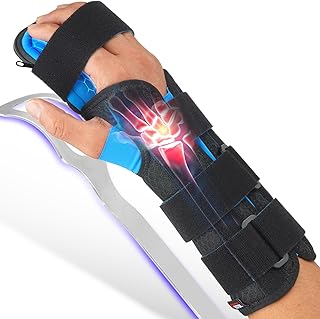


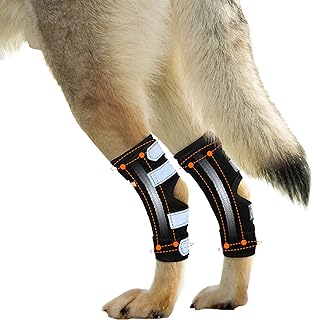


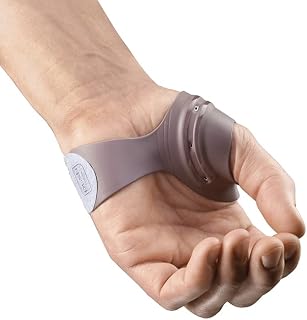
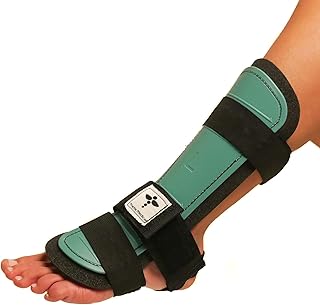


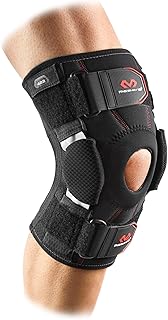


Choosing a brace, splint or support is less about finding the most heavily advertised product and more about matching the design to the activity, body area, level of support and fit you actually need. In Canada, shoppers can find a wide range of wrist supports, knee braces, ankle supports, elbow sleeves, back supports, thumb splints and other wearable products from established brands such as Mueller, Futuro, McDavid, Shock Doctor, DonJoy and Copper Compression.
This independent buying guide is designed to help Canadian shoppers compare those categories more intelligently. Product specifications, sizing information, materials, intended use and current retailer information can change, so check the latest product listing and manufacturer's instructions before buying.
The terms brace, splint and support are often used interchangeably, but they can describe products with very different levels of structure and restriction.
A product that feels more substantial is not automatically the better choice. Excessive restriction can make everyday activities uncomfortable, while insufficient support may fail to meet the user's intended purpose. The objective is an appropriate balance between stability, mobility, comfort and fit.
Start with the exact location that needs support. A wrist brace, knee sleeve, ankle stabilizer and thumb splint are designed around different anatomical requirements. Even products within the same category can have substantially different designs.
For example, a wrist product intended to limit wrist movement may have a rigid stay, whereas a lightweight wrist sleeve may primarily provide compression and warmth. Similarly, a knee sleeve designed for general support is fundamentally different from a hinged knee brace intended to control movement.
Consider whether you need flexible compression, moderate stabilization or a more restrictive design. Product descriptions commonly use terms such as light support, moderate support, firm support, stabilizer, hinged or immobilizer. These terms are useful for comparison, but they are not universal technical classifications.
Fit is one of the most important considerations when comparing braces and supports. Do not automatically choose your usual clothing size. Manufacturers can use different measurement points and sizing ranges.
Depending on the product, you may need to measure wrist circumference, hand circumference, forearm circumference, knee circumference, thigh circumference, ankle circumference or another specified measurement. Always compare your measurement with the current manufacturer's sizing chart.
A brace that is too loose may shift during movement. One that is excessively tight can become uncomfortable and may not be appropriate for prolonged wear. If the manufacturer provides fitting instructions, follow them rather than relying solely on appearance.
Adjustable straps can make a significant difference in fit. Hook-and-loop closures are common because they allow users to change tension quickly. Some products use multiple straps to create more precise adjustment around different parts of a joint.
However, more straps do not necessarily mean better performance. Additional adjustment points can increase bulk and make the product slower to put on. For everyday use, a simple design may be preferable if it provides an adequate fit.
Material selection affects comfort, durability, breathability and how the product behaves during movement.
A brace that is comfortable for five minutes in a product photograph may feel very different after extended wear. Look for ventilation panels, breathable fabrics, perforated neoprene or moisture-managing materials when the product will be worn during physical activity or for longer periods.
Breathability can be especially relevant for Canadian shoppers who may use supports during indoor exercise, outdoor activities or sports. At the same time, winter conditions can make warmth desirable for some users. Choose based on the actual environment rather than assuming one material is universally superior.
Consider what you will wear over the brace. A large knee brace may work well under loose athletic clothing but become inconvenient under fitted trousers. A bulky wrist splint may also make typing, driving or handling small objects more difficult.
Before buying, think about the activities you need to perform while wearing the product. A compact sleeve may be more convenient for everyday use, while a structured brace may be more appropriate when stabilization is the primary consideration.
Wrist supports range from simple elastic sleeves to structured splints with rigid stays. The right design depends on whether the priority is compression, general support, limiting wrist movement or supporting a particular part of the hand and wrist.
When comparing wrist products, examine the position and length of any stay, thumb opening, strap arrangement and whether the design is intended for the left hand, right hand or either hand.
Popular brands in this category include Mueller and Futuro, with product designs ranging from lightweight wrist supports to more structured braces. Compare the specific model rather than choosing a brand solely on reputation.
Knee products have one of the widest ranges of designs. A basic compression sleeve is very different from a patella-support product, hinged brace or more substantial stabilizing brace.
Important comparison points include knee circumference measurements, sleeve thickness, anti-slip features, hinges, straps, patella opening and the degree of movement restriction.
McDavid, Mueller and Shock Doctor are among the established names shoppers may encounter when comparing sports-oriented and general-purpose knee-support products. Always evaluate the individual model's specifications, sizing and intended use.
Ankle supports vary from compression sleeves to lace-up stabilizers and rigid or semi-rigid braces. Because the ankle needs to move while also providing stability during walking and sport, design details matter.
Compare whether the product supports one or both sides of the ankle, how the straps cross around the foot, how much heel movement is allowed and whether the product fits inside your normal footwear.
Elbow products can include compression sleeves, straps and more structured braces. Some are designed for general support while others focus on particular areas around the elbow.
When comparing elbow supports, look at compression zones, padding, strap placement and the amount of elbow flexion allowed. A product intended for repetitive activity should be comfortable enough to permit the movements required by that activity.
Thumb supports need a different approach because the thumb has a wide range of movement and interacts closely with the hand. A thumb brace may stabilize the thumb while allowing some wrist or finger movement, whereas a more restrictive splint can limit movement more substantially.
Check whether the product is designed for the left hand, right hand or both. Also examine whether the material covers the palm and whether you can comfortably grip everyday objects while wearing it.
Back supports are available in a variety of widths, strap configurations and materials. Some are designed to provide a sensation of compression around the lower back, while others use broader panels or additional straps.
Fit is particularly important with back supports. A product that rides upward, rolls at the edges or requires constant readjustment may be inconvenient regardless of its advertised features.
Do not assume that a brace is an appropriate treatment for every type of back discomfort. Persistent, severe or unexplained symptoms warrant professional medical advice rather than relying solely on a consumer support product.
If you are comparing ten braces, splints or supports, using the same criteria for every product makes the decision considerably easier. Instead of focusing on the highest rating or lowest price, create a consistent comparison framework.
Customer ratings can be useful, but they should not be treated as a substitute for product specifications. A five-star rating does not necessarily mean that a brace is suitable for your particular body area, activity or support requirement.
When reading customer reviews, look for recurring practical observations rather than isolated comments. Useful details can include whether the sizing appears consistent with the manufacturer's chart, whether straps remain secure, whether the product shifts during movement, whether it fits underneath clothing and how easy it is to put on.
Also pay attention to reviews that identify a mismatch between expectations and the actual product. For example, a shopper expecting rigid stabilization may be disappointed by a flexible compression sleeve even when the sleeve itself performs as described.
The cheapest product is not necessarily the best value, and the most expensive product is not automatically the most suitable. Compare construction, adjustability, material, sizing and intended use before considering price.
One of the most avoidable mistakes is selecting a size based on assumptions. Measure the specified body area and consult the manufacturer's current chart. If the measurement falls near a boundary, carefully review the manufacturer's fitting guidance rather than guessing.
A tight sleeve can feel supportive without providing the same mechanical stability as a structured brace. If movement restriction or joint stabilization is important, examine the construction rather than judging support from tightness alone.
Some braces are easy to pull on but difficult to adjust precisely. Others have multiple straps that offer a more customized fit but require additional setup. Consider which approach suits your routine.
A brace that fits the body but cannot comfortably fit under your normal clothes or inside your shoes may become impractical. Check dimensions and product photographs, but prioritize the manufacturer's stated specifications when available.
Individual anatomy, activity and comfort preferences vary. A widely purchased product can still be unsuitable for a particular user. Treat popularity as one consideration rather than proof that the product is right for you.
Manufacturers can change materials, packaging, sizing, colors and model configurations. Before ordering, compare the current retailer listing with the manufacturer's available product information whenever possible.
Low-profile supports can be easier to wear under everyday clothing. This can be particularly valuable for office use, commuting or other situations where a bulky brace would be inconvenient.
Hook-and-loop straps can make adjustment easier, while pull-on sleeves can provide a cleaner appearance. The best closure depends on whether quick application or precise adjustment is more important.
Areas that experience repeated stretching and bending can place additional stress on seams. Examine construction photographs and product descriptions for reinforced stitching or panels when durability is a priority.
Some sleeves and supports incorporate silicone strips, textured material or other features intended to reduce movement. These can be useful during activity, although their effectiveness depends on fit, body shape and the specific design.
Some braces use removable rigid or semi-rigid inserts. This can provide flexibility for users who want different levels of structure, but the product should only be used in configurations permitted by its manufacturer.
Sports-oriented supports often prioritize a combination of stability, mobility and moisture management. The ideal design depends heavily on the activity.
For activities involving running, jumping or rapid changes of direction, excessive bulk can be inconvenient. For activities requiring repetitive gripping, wrist or elbow movement may be a more important consideration. For contact sports, product construction and sport-specific compatibility deserve particular attention.
Brands such as McDavid and Shock Doctor are commonly associated with sports-support categories, but brand recognition should not replace comparison of the actual product specifications.
Canada's climate varies substantially by region, and the same brace can feel different depending on where and when it is used. Indoor heating during winter, summer humidity, outdoor activity and layered clothing can all influence comfort.
For warmer conditions, breathable fabrics and ventilation can be valuable. During colder months, some users may prefer materials that provide additional warmth. However, warmth is not the same thing as therapeutic effectiveness, so material selection should remain focused on comfort and intended use.
If you expect to use a support underneath winter clothing, consider how additional layers will affect fit. A brace that is comfortable over a thin shirt may feel restrictive underneath several layers.
Proper maintenance can help preserve the fit and construction of a brace or support. Always follow the specific care instructions supplied with the product because materials and components vary.
Value should be measured by suitability and usability rather than purchase price alone. A lower-cost product that cannot stay in position may be less useful than a moderately priced design that fits properly and suits the intended activity.
Before purchasing, identify your non-negotiable requirements. For example, you might need a left-hand wrist splint, a low-profile design, a particular measurement range, machine-washable construction or compatibility with athletic footwear. Once those requirements are established, eliminate products that fail them before comparing secondary features.
This approach can make a large product category much easier to navigate and can reduce the temptation to purchase based on a promotional badge, attractive photograph or isolated review.
Recognized brands can make product discovery easier, but no brand should be treated as universally best. Product lines contain multiple designs with different purposes and construction.
These names can be useful starting points for research, but the individual model remains more important than the logo on the packaging.
A flexible sleeve can be attractive when maintaining a broad range of movement is important. Its lower profile can also make it easier to wear during daily activities.
Consider a flexible design when the product specifications match your needs and you prioritize lightweight construction, easier movement and simple application. However, do not assume that a sleeve provides the same stabilization as a brace containing rigid stays, hinges or reinforced supports.
A structured brace can be appropriate when the intended use calls for greater stabilization or controlled movement. The additional structure may come from stays, hinges, reinforced panels or multiple straps.
Because these features can also increase weight, bulk and restriction, structured does not automatically mean superior. Compare the specific function of each component and make sure the design is appropriate for your intended use.
Consumer braces and supports should not be treated as a universal substitute for medical assessment. The correct product depends on the reason for use, and some injuries or conditions require professional evaluation.
If you have a diagnosed condition, have recently undergone a procedure, or have been advised to use a particular type of brace, the recommendations of your healthcare professional should take priority over a general online buying guide.
Canadian shoppers should compare the current product listing carefully before completing a purchase. Retailer information can change, including seller identity, price, delivery options, stock status and return policies.
For an independent buying decision, verify the following details on the current listing:
Because these details can change, treat any price or availability displayed by a retailer as current only at the time you check it.
If you are evaluating the top ten products on this page, a simple comparison table can prevent important details from being overlooked. Record the same information for every shortlisted product.
There is no single best brace for every person. The appropriate choice depends on the body area, intended use, desired level of support, fit, mobility requirements and budget. Compare individual models using the same criteria rather than selecting solely by brand or rating.
No. Price alone does not establish suitability or quality for a particular user. A less expensive product with the correct size and appropriate construction can be more useful than a premium model that does not fit or meet the intended requirements.
Measure the body area specified by the manufacturer and compare that measurement with the current sizing chart. Do not assume that small, medium and large sizes are standardized between brands.
No. A compression sleeve is generally flexible and focuses on compression and fit, while a brace may include structural components intended to provide additional stabilization or movement control.
A brace should be fitted according to its manufacturer's instructions rather than tightened as much as possible. Excessive tightness can reduce comfort and may be inappropriate. If you experience concerning symptoms while wearing a support, stop using it and seek appropriate professional advice.
Some braces and supports are specifically designed for athletic or exercise use, while others are not. Check the manufacturer's intended-use information and make sure the product does not interfere with necessary movement or other protective equipment.
Canadian shoppers may encounter brands such as Mueller, Futuro, McDavid, Shock Doctor, DonJoy and Copper Compression. Compare individual products within each brand because construction, intended use and support level can vary significantly.
There is no universal replacement schedule for every brace. Replacement depends on material wear, loss of elasticity, damaged straps, worn closures, structural damage and whether the product continues to fit correctly. Follow the manufacturer's recommendations and inspect frequently used products periodically.
Many fabric supports can be cleaned, but washing methods vary. Check the specific product's care instructions before using a washing machine, dryer, detergent or other cleaning method.
That depends on the level of structure and movement control required. A sleeve is generally simpler and more flexible, while a hinged brace provides a more structured design. Compare the intended purpose and manufacturer specifications before choosing.
Before purchasing one of the braces, splints or supports you are considering, run through this checklist:
This guide is intended as an independent consumer resource for Canadian shoppers researching braces, splints and supports in 2026. Product rankings and purchasing decisions should be based on current specifications and the user's individual requirements rather than unsupported claims about medical effectiveness.
When narrowing down the top ten choices, prioritize appropriate fit, clearly stated construction, intended use, practical adjustability, comfort considerations and current product information. Customer ratings can add useful context, but they should be interpreted alongside specifications and sizing information.
Before buying, review the current product page and manufacturer information, compare today's price and availability, read recent customer feedback, and confirm the retailer's current policies. If the product is being considered for an injury, medical condition or significant pain, professional medical guidance should take precedence over general consumer recommendations.
The best brace, splint or support is the one whose design, size and level of stabilization match your actual requirements. Start with the body area and purpose, then compare support construction, materials, sizing, adjustability, mobility and maintenance. After narrowing the field, use current customer feedback and retailer information to make the final comparison.
For Canadian shoppers, checking the latest product specifications is particularly important because prices, sellers, availability, sizing options and product configurations can change throughout the year. A careful comparison is more reliable than choosing based on a promotional claim, brand familiarity or a single customer rating.