

♥ Wishlist
Compare 58 Boys Fashion Hoodies & Sweatshirts products in Canada. Reviews, ratings, pros, cons and buying advice updated for October 2026.


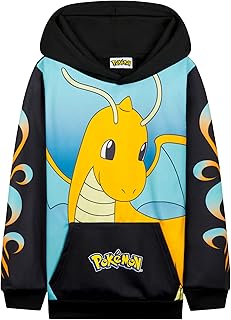


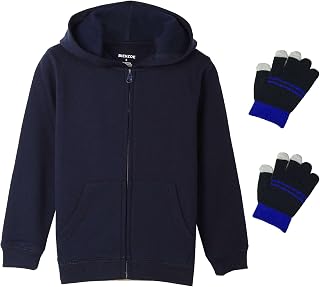


Choosing a boys’ hoodie or sweatshirt is about more than finding an attractive colour or a familiar logo. For Canadian families, the right choice depends on the child’s age, intended use, fabric weight, fit, layering needs, washing routine and the season in which the garment will be worn. A lightweight sweatshirt that works well indoors may be much less suitable for a cold-weather outdoor layer, while a heavy fleece hoodie can become uncomfortable when worn in a heated classroom.
This guide is designed to make comparison easier when evaluating boys’ fashion hoodies and sweatshirts in Canada. Instead of focusing only on appearance, consider construction quality, fabric composition, warmth, comfort, sizing, durability and versatility. Brands such as Nike, adidas, Under Armour, Champion and Puma offer different approaches to sportswear-inspired children's clothing, while many other brands compete on casual styling, value and everyday comfort.
The terms hoodie and sweatshirt are often used interchangeably, but there are practical differences worth understanding before buying.
For everyday school and leisure use, the best format depends on the child's routine. A pullover may be simple and comfortable, a zip-up can be convenient for changing temperatures, and a performance hoodie may make more sense for active children.
Check the fibre content rather than relying solely on the product name. Cotton is valued for its familiar hand feel and breathability, while polyester is commonly used for durability, shape retention and sportswear applications. Cotton-polyester blends can combine characteristics of both fibres.
Fabric composition can also affect washing, drying time, pilling behaviour and how the garment feels against the skin. Children who spend long periods outdoors may benefit from a different fabric balance than children who primarily wear hoodies indoors.
Not every sweatshirt described as warm has the same insulation. A thin jersey-style layer, medium-weight French terry garment and heavyweight fleece hoodie can feel dramatically different in Canadian conditions.
For winter layering, think about the entire clothing system rather than treating a sweatshirt as a replacement for a proper winter jacket. A hoodie can be an insulating middle layer, but it does not automatically provide the weather protection of a dedicated outer shell.
The inside of the garment can have a major effect on comfort. Brushed fleece tends to feel soft and warm, while unbrushed constructions may be lighter and more suitable for layering. If a child dislikes bulky clothing, a smoother, thinner interior may be preferable even when a heavier sweatshirt provides more warmth.
On hoodies, examine how the hood is shaped and attached. A well-designed hood should sit comfortably without constantly slipping over the face or creating excessive bulk around the neck. For younger children, avoid treating a hood as a substitute for appropriate cold-weather headwear.
Ribbed cuffs and hems help a sweatshirt retain its shape and keep the garment positioned during movement. Look for cuffs that feel secure without being excessively tight. A hem that rides upward easily can make an otherwise good sweatshirt frustrating for active children.
Kangaroo pockets are popular because they provide a convenient place for hands and small personal items. However, pocket design can affect comfort when sitting, carrying a backpack or participating in sports. Decorative pockets may look attractive without offering much practical storage.
Inspect the stitching around shoulder seams, armholes, cuffs, pockets and hood attachments. Reinforced or neatly finished construction can be particularly useful for children who frequently wear the same few garments. Loose threads, uneven stitching or poorly finished seams are warning signs worth considering before purchase.
Spring weather can fluctuate considerably. A midweight sweatshirt or lightweight hoodie is often more versatile than an extremely heavy garment. Layering becomes especially useful because temperatures can change between morning, school hours and afternoon activities.
A hoodie can still have a role during cool evenings, air-conditioned environments, travel or outdoor activities after sunset. Lightweight cotton, cotton-blend and performance fabrics are generally more practical than heavy fleece when warmth is not the primary requirement.
Autumn is one of the most useful seasons for a versatile sweatshirt. A medium-weight hoodie can work as a standalone layer on mild days or underneath a jacket when temperatures drop.
For Canadian winter conditions, a sweatshirt should usually be considered one component of a layering system. A fleece hoodie can provide an insulating layer beneath an appropriate winter coat, but warmth requirements vary considerably by region, activity level and time spent outdoors.
Children's clothing sizes are not perfectly consistent between brands. A labelled size should therefore be treated as a starting point rather than an absolute measurement.
Buying a significantly oversized hoodie solely to make it last longer can reduce comfort and change the way the garment performs. Excess fabric around the sleeves, shoulders and torso may interfere with movement and can make layering awkward.
A regular-fit sweatshirt generally provides a balanced silhouette without excessive fabric. It can be a practical choice for school uniforms, everyday outfits and layering.
A relaxed sweatshirt provides additional room through the body and may be preferable for active children or those who dislike restrictive clothing.
Oversized hoodies are strongly associated with casual streetwear and contemporary youth fashion. They can create a fashionable silhouette but require closer attention to sleeve length, shoulder placement and overall proportions.
Fashion does not have to mean sacrificing practicality. The most versatile choices usually combine an appealing design with features that make the garment easy to wear repeatedly.
Sportswear brands have become an important part of everyday children's fashion. Nike, adidas, Under Armour, Champion and Puma are examples of established names that offer casual garments influenced by athletic styling.
When comparing sportswear-inspired options, do not assume that a sports logo automatically means superior performance. Check the actual fabric, construction, fit and care instructions. Some garments are primarily fashion pieces, while others are designed around movement and athletic use.
A hoodie intended for school has different priorities from one purchased mainly for weekends. It may be worn repeatedly, placed inside a backpack, washed frequently and layered over shirts or under coats.
Cotton is popular for casual children's clothing because it is soft and familiar against the skin. It can be an excellent choice for everyday comfort, although the exact performance depends on the fabric construction and blend.
Polyester is widely used in athletic and performance-oriented clothing. It can provide useful durability and quick-drying characteristics, depending on the construction. It may also behave differently from cotton when exposed to heat during washing or drying, so care instructions matter.
Blended fabrics are common in hoodies because they can balance comfort, durability and ease of care. The precise percentage of each fibre is worth checking when comparing apparently similar garments.
Fleece constructions are often selected for colder conditions because they provide a warm, soft interior. However, warmth comes with additional bulk in some designs, which may not be ideal for every child or every indoor environment.
French terry is often lighter than traditional brushed fleece and can be useful during transitional seasons. It can also work well as a layering garment when a child needs moderate warmth without a heavily insulated feel.
Children can place substantial demands on everyday clothing. Kneeling, climbing, playing, carrying backpacks and frequent washing can all affect a sweatshirt over time.
Durability is influenced by fabric weight, fibre composition, seam construction, print quality, washing practices and frequency of wear. A thicker garment is not automatically more durable, and a premium brand name does not eliminate the need to inspect construction details.
Pay particular attention to areas that experience repeated stress, including pocket openings, cuffs, sleeve seams, shoulder seams and zipper tracks on zip-up designs.
Pilling is influenced by fibre characteristics, fabric construction and friction. It should not automatically be interpreted as proof that a garment is poorly made, although excessive or rapid surface wear can be a useful comparison factor.
Graphic treatments can significantly change how a hoodie ages. Screen-style prints, heat-applied graphics, embroidered logos and other decorations have different care requirements and can respond differently to repeated washing.
For a child who will wear the same sweatshirt frequently, examine whether the design is concentrated on high-friction areas. Large graphics across the front can encounter repeated contact with desks, backpack straps and other surfaces.
| Feature | Zip-Up Hoodie | Pullover Hoodie |
|---|---|---|
| Temperature adjustment | Easy to open or remove | Requires removing the garment |
| Layering | Convenient over shirts | Works well as a continuous layer |
| Ease of dressing | Useful for children who prefer front-opening garments | Simple once the child is comfortable pulling it over the head |
| Appearance | Often gives a more jacket-like casual look | Creates a classic sweatshirt silhouette |
| Potential maintenance point | Zipper requires additional care | Fewer mechanical components |
A visually appealing hoodie may not be comfortable enough for extended wear. Fabric hand feel, sleeve construction and overall fit deserve equal consideration.
Assuming that the same labelled size will fit identically across different brands can lead to unnecessary exchanges or an uncomfortable garment.
A very heavy fleece sweatshirt may sound appealing for cold weather, but children can become uncomfortable when moving between cold outdoor conditions and heated indoor spaces.
Established brands can provide useful consistency, but individual garments still need to be evaluated on their specifications. Compare fabric composition, construction and intended use rather than relying exclusively on the logo.
A garment that requires unusually careful maintenance may be inconvenient if the child needs frequent everyday wear. Always check the care label before purchase.
A small rotation of versatile colours and weights can be more practical than purchasing several nearly identical heavy hoodies. Consider what is already in the child's wardrobe before adding another piece.
A deal should be evaluated against the complete value of the garment rather than its advertised discount alone. When comparing options, record the regular price and current price shown by the retailer, then consider the product's fabric, construction, sizing, intended use and care requirements.
A smart purchase is not necessarily the cheapest hoodie. It is the option that provides the best balance of usefulness, comfort, durability and cost for the child's actual needs.
For example, a child who wears hoodies to school several times per week may benefit from a durable, easy-care midweight design. A child who primarily needs a layer for sports may place greater importance on stretch, moisture management and lightweight construction. Another child may care most about colour, graphics and current fashion trends.
The right choice therefore depends on use frequency and priorities. A higher-priced garment can represent better value if it is comfortable and versatile enough to become a regular part of the wardrobe, while a lower-priced option can be the smarter choice when the child is growing quickly or the garment has a limited seasonal purpose.
Customer reviews can provide useful supplementary information, but they are most helpful when you look for repeated patterns rather than relying on a single positive or negative comment.
For sizing, look for multiple comments discussing whether the garment runs small, large, short or long. For durability, search for recurring observations about pilling, fading, shrinking, seam quality, graphics and zipper performance. For comfort, pay attention to comments concerning fabric texture, stiffness, hood shape and warmth.
Reviews should be interpreted alongside the manufacturer's specifications. A review reflects one purchaser's experience, while the product specification provides information about the intended construction and materials.
A practical wardrobe does not need a large number of nearly identical sweatshirts. A combination of different weights and styles can cover more situations.
The exact mix should depend on climate, school requirements, activity level and the child's personal style.
Always follow the individual garment's care label because fabrics, prints, trims and construction vary. General laundry habits can nevertheless help preserve everyday sweatshirts.
Check the recommended temperature and cycle. Separating heavily soiled clothing from delicate garments can reduce unnecessary abrasion. Turning graphic sweatshirts inside out may also help protect surface decoration when appropriate.
Drying requirements vary by fabric. High heat can affect certain fibres, prints, elastic components and garment dimensions. Follow the care label rather than assuming that a sweatshirt can safely tolerate maximum dryer heat.
Make sure the garment is completely dry before storing it. Folding hoodies neatly can reduce unnecessary stretching, while heavier garments may benefit from storage methods that prevent excessive strain on shoulders.
Children's clothing can encounter food, grass, mud and other stains. Treat stains according to the fabric and care instructions. Avoid aggressive treatment that could damage prints or alter the colour of the material.
Premium-priced hoodies may offer distinctive designs, recognised branding, specialised fabrics or more elaborate construction. The additional cost is worthwhile only when those features match the child's actual needs.
Mid-range garments can offer a useful balance between design, fabric quality and everyday practicality. This category is often worth examining closely when shopping for a frequently worn school or casual hoodie.
Budget sweatshirts can make sense for fast-growing children, occasional wear or situations where replacement cost matters more than long-term wardrobe investment. Inspect specifications and customer feedback carefully rather than assuming low price automatically means poor quality.
| Use Case | Features to Prioritise | Features to Consider Carefully |
|---|---|---|
| School | Comfort, durability, easy care, versatile styling | Very bulky fleece, oversized sleeves, excessive graphics |
| Sports | Mobility, lightweight construction, suitable fabric | Heavy materials and restrictive fits |
| Outdoor layering | Warmth, comfortable fit, layering compatibility | Excessive bulk beneath outerwear |
| Travel | Versatility, comfort, easy layering | Very heavy garments that take up considerable luggage space |
| Everyday casual wear | Comfort, style, durability and easy maintenance | Special-care fabrics that do not fit the normal laundry routine |
Canada covers a wide range of climates, so there is no single hoodie specification that is ideal for every Canadian child. Conditions can differ considerably between coastal, prairie, northern and southern regions, as well as between urban and rural environments.
For cold outdoor conditions, layering generally works best when each garment has a defined purpose. A base layer can manage moisture and provide next-to-skin comfort, a sweatshirt or fleece layer can contribute insulation, and a suitable outer layer can provide protection from wind, precipitation and other environmental conditions.
For indoor environments, particularly heated homes and schools, a lighter sweatshirt can be more comfortable than an extremely thick hoodie. Consider how often the child moves between indoor and outdoor spaces before choosing fabric weight.
For younger children, examine garments for age-appropriate construction and follow applicable safety guidance. Pay attention to cords, small decorative components and other features that may require additional consideration depending on the child's age.
For active children, avoid excessively loose sleeves or garments that interfere with movement. The best everyday hoodie should allow normal activity without constantly needing adjustment.
There is no universal best choice. The most suitable hoodie depends on the child's age, climate, intended activity, preferred fit, fabric preferences and budget. Compare specifications and current customer feedback before choosing.
They can be, but price alone does not establish value. Consider fabric, construction, versatility, expected frequency of use and care requirements. A more expensive hoodie makes more sense when its advantages are relevant to the child.
Cotton, polyester, cotton blends, fleece and French terry can all be useful. The best choice depends on whether comfort, warmth, drying speed, durability, breathability or layering is the primary consideration.
Some additional room can be useful for layering, but deliberately buying a much larger size can affect comfort, sleeve length and overall fit. Use the manufacturer's measurements and choose based on the intended silhouette.
Fleece commonly provides a warmer, softer interior than lightweight French terry, although actual warmth depends on fabric weight and construction. Compare the garment specifications rather than relying solely on the fabric name.
They can be useful as part of a winter layering system, but a hoodie should not automatically be treated as sufficient protection for prolonged exposure to severe cold. Appropriate outerwear should be selected according to local weather and the activity involved.
There is no required number. A practical wardrobe can include a small selection of lightweight, midweight and warmer options depending on the child's school schedule, activities, laundry routine and climate.
Popular sportswear and lifestyle names include Nike, adidas, Under Armour, Champion and Puma, among many others. Brand selection should be based on the specifications, fit and intended use of the individual garment rather than brand recognition alone.
Compare the current price with comparable garments, examine fabric and construction, review sizing information and read recent customer feedback. Also consider return conditions and the total cost before completing a purchase.
The strongest approach to buying boys’ fashion hoodies and sweatshirts is to separate fashion appeal from functional requirements, then find the product that satisfies both. Start with the child's real use case, identify the appropriate fabric weight and fit, compare construction details, and only then evaluate branding, graphics and price.
For Canadian shoppers, seasonality and layering deserve particular attention. A versatile midweight hoodie may deliver more everyday usefulness than a very heavy sweatshirt, while a lightweight option can be valuable for transitional weather and indoor use. For active children, mobility and fabric performance may matter more than heavyweight warmth.
Before purchasing, compare the exact product specifications, current customer feedback and retailer terms available at the time of purchase. Prices, colours, sizes, promotions and availability can change, so current information should always take precedence over an older deal description.