
♥ Wishlist
Compare 58 Boys Cold Weather Clothing products in Canada. Reviews, ratings, pros, cons and buying advice updated for October 2026.

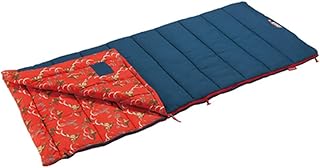


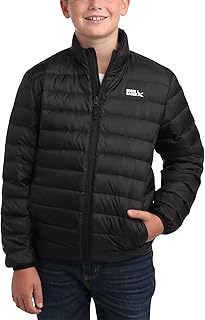




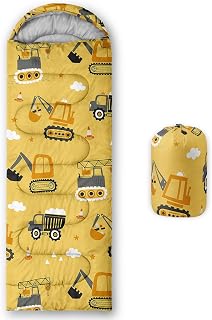


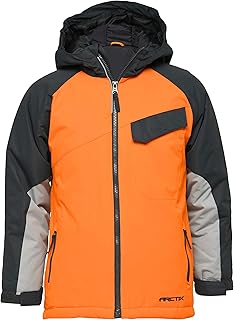
Finding the right cold-weather clothing and gear for boys in Canada requires more than choosing the lowest price. Canadian winters can bring freezing temperatures, wind, snow, slush and rapidly changing conditions, so a smart purchase should balance warmth, weather protection, comfort, durability and ease of use. The best choice also depends on whether the item is intended for school, everyday outdoor play, winter sports, travel or particularly cold conditions.
This buying guide is designed to help Canadian shoppers compare boys' cold-weather products by looking beyond headline discounts. When evaluating products, consider materials, insulation, construction, sizing, weather resistance, maintenance requirements and customer feedback alongside the advertised price. Product specifications and availability can change, so check the current listing and verified customer reviews before making a purchase.
A smart cold-weather purchase is not necessarily the cheapest product. It is the product that provides an appropriate combination of protection, comfort, durability and value for the intended use. A heavily insulated winter coat may be an excellent choice for extended outdoor activity but unnecessary for a child who mainly walks between a home, car and heated school.
Likewise, a waterproof boot may be more useful for wet Canadian shoulder-season conditions than an extremely warm boot that is uncomfortable during everyday use. The right decision comes from matching the product to the child's activities, local climate and expected wear.
Cold-weather clothing works best as a system rather than as one oversized garment. Depending on the conditions, a child may need a moisture-managing base layer, an insulating middle layer and an outer layer that helps block wind, snow or rain.
A base layer sits directly against the skin and helps manage moisture. Look for comfortable fabrics that allow freedom of movement and do not become excessively restrictive. Merino wool is valued for temperature regulation and odour resistance, while synthetic fabrics can offer practical moisture management and durability. Cotton can feel comfortable in dry conditions but is generally less suitable as the primary base layer during prolonged active winter use because it can retain moisture.
Fleece, synthetic insulation and down are common choices for insulating layers. Fleece is lightweight, versatile and easy to combine with other garments. Synthetic insulation can retain useful insulating performance in damp conditions and is often straightforward to care for. Down offers a high warmth-to-weight ratio but requires more consideration when exposure to moisture is expected.
The outer layer should be selected according to the environment. For snow and wind, look for construction that reduces drafts around the neck, cuffs and openings. For wet conditions, examine the product's stated water-resistance or waterproofing specifications rather than assuming that every winter garment provides the same protection.
Insulation is one of the most important factors in winter apparel. Synthetic fills are commonly chosen for versatility and wet-weather practicality, while down can provide substantial warmth without adding excessive weight. However, insulation quantity, garment construction, fit and weather exposure all affect real-world performance.
Water resistance and waterproofing should not be treated as interchangeable terms. A garment or boot may resist light moisture without being designed for prolonged exposure to wet snow or rain. If a child regularly plays outdoors in slush, inspect the manufacturer's stated waterproofing details, seams, closures and material construction.
Wind can make cold conditions feel substantially harsher. An outer shell that blocks wind, combined with adequate insulation and secure cuffs, can provide better practical protection than simply choosing a thicker garment.
For coats and jackets, assess whether the hood stays securely positioned during movement. Adjustable openings can help reduce exposure around the face and neck. A removable hood may also be useful when the garment needs to transition between different activities.
Snow and cold air can enter through loose sleeve openings. Elasticated, adjustable or inner cuffs can provide better coverage. Consider whether the sleeve design works comfortably with gloves and other layers.
Zippers, snaps, hook-and-loop fasteners and other closures should be practical for the child's age and dexterity. For younger children, simple closures may be easier to manage independently. A full-length zipper can also make layering and temperature adjustment easier.
Pocket placement and closure design matter for everyday winter use. Secure pockets can help keep small essentials from falling out during outdoor activities. Deep pockets may be useful for gloves or accessories, while fleece-lined pockets can add comfort in colder conditions.
A winter coat should be selected according to how and where it will be used. A child who spends substantial time outside needs different protection from a child who primarily wears a coat for commuting and school.
Parkas are often practical for everyday Canadian winter use because they can provide substantial coverage around the torso and upper legs. Look for adequate insulation, a protective outer fabric, useful pockets and a hood that works with the child's other winter accessories.
Lightweight insulated jackets can be useful for milder winter days, travel and layering. They can also work well when a child needs flexibility rather than maximum insulation. Check whether the jacket is intended as a standalone outer layer or as part of a layered system.
For skiing, snowboarding, sledding or frequent snow play, a snow jacket should be assessed for weather protection as well as insulation. Features such as powder skirts, adjustable cuffs, helmet-compatible hoods and snow-resistant construction may be valuable depending on the activity.
Winter pants need to protect against cold, snow and moisture while allowing children to move freely. This is especially important for sledding, skating, skiing and outdoor play.
Winter boots deserve careful comparison because feet can become cold quickly when footwear is poorly insulated, wet or incorrectly fitted. A good winter boot should provide appropriate warmth, traction, moisture protection and enough room for natural foot movement.
Boot insulation may use synthetic materials, felt, fleece or other constructions. The best option depends on the intended temperatures and activity level. Children who remain stationary outdoors for longer periods may require different insulation from children who are constantly moving.
For snow and slush, waterproof construction can be more important than simply choosing the thickest insulation. Examine the boot's construction, seams, tongue design and lower shell to determine how effectively moisture is likely to be kept away from the foot.
A winter boot's outsole should provide suitable grip for the surfaces where it will be used. Look for tread designed for snow and wet winter conditions. No outsole eliminates the risk of slipping on ice, so children should still use appropriate caution on icy surfaces.
Do not automatically buy several sizes too large to extend the useful life of a boot. Excessive space can affect stability and make walking more difficult. The child should have comfortable room for the intended socks while maintaining a secure heel and stable fit.
When comparing cold-weather products, established brands can provide a useful starting point because their product ranges often cover different levels of insulation, construction and intended activity. Canadian shoppers may encounter brands such as Columbia, The North Face, Patagonia, Helly Hansen, adidas, Nike, Reima, Kamik, Baffin and Sorel when researching children's winter apparel and footwear.
A brand name should not automatically determine the purchase. Compare the specific product's construction, materials, sizing information, intended use and current customer feedback. A well-known brand can offer multiple products with very different designs and performance characteristics.
Prioritise comfort, reliable warmth, easy closures and practical maintenance. A child who spends most of the day indoors may benefit from a coat that balances outdoor protection with manageable weight rather than an extremely bulky expedition-style garment.
Durability and weather protection become more important when children spend extended periods playing in snow. Reinforced areas, secure cuffs, a protective hood and moisture-resistant materials can all contribute to practical performance.
Technical snow clothing may offer useful features such as snow skirts, adjustable cuffs, ventilation openings and compatibility with helmets or other equipment. Compare the complete clothing system rather than evaluating insulation alone.
Sledding involves frequent contact with snow and significant movement. Waterproof lower-body protection, a warm coat and secure accessories are particularly important. Reinforced fabric can also be valuable where clothing repeatedly contacts sleds or packed snow.
Travel often requires versatility. Consider products that can be layered, packed reasonably easily and used across changing temperatures. A removable or adjustable hood, adaptable insulation and easy-care materials may be more useful than highly specialised features.
Product specifications can help shoppers make better comparisons, but individual terms need context. Rather than focusing on a single specification, assess how several features work together.
Children's clothing presents a difficult balance between buying for the current season and allowing reasonable room for growth. Too little room can make layering uncomfortable, while excessive sizing can reduce mobility and compromise fit.
Use the manufacturer's current size chart whenever possible. Compare chest, waist, hip, sleeve, inseam or foot measurements as appropriate for the product. For boots, measure the child's feet according to the manufacturer's instructions and account for the socks that will actually be worn.
For coats, check whether the child can comfortably move the arms forward, raise them and bend without the garment becoming restrictive. The hem should provide appropriate coverage without becoming cumbersome.
A large discount does not automatically make a product good value. A cheaper item that lacks suitable insulation, waterproofing or durability may cost more over time if it needs to be replaced quickly.
Warmth depends on insulation type and amount, construction, fit and protection from wind and moisture. A bulky garment is not necessarily the most effective choice.
Everyday school clothing, ski equipment and expedition-oriented clothing have different requirements. Choose according to actual use rather than selecting the most technical-looking product.
Children may move between heated buildings and cold outdoor environments several times each day. Layering allows greater temperature control than relying on one excessively heavy garment.
Winter boots need sufficient space for the intended socks but should not be so loose that the foot slides around. Check both length and overall fit.
Some insulated garments require specialised washing or drying procedures. Before purchasing, determine whether the recommended care routine is realistic for your household.
Customer reviews can provide useful information, but they are most valuable when interpreted alongside product specifications. Look for repeated comments about the same characteristic rather than basing a purchase on one unusually positive or negative review.
When comparing cold-weather deals, calculate value from the product's expected usefulness rather than the advertised percentage discount. A versatile coat that works throughout a season and supports layering may be a better purchase than a deeply discounted item suitable for only one narrow purpose.
Also consider whether a product can be used across multiple activities. For example, a practical insulated jacket may work for school, weekend outings and travel, while a specialised technical jacket may be more appropriate if the child regularly participates in snow sports.
When two products appear similar, compare them category by category instead of choosing based on appearance or brand familiarity.
A winter coat alone cannot provide complete protection. Depending on the weather and activity, boys may also need insulated gloves or mittens, warm socks, a toque or winter hat, neck protection and appropriate footwear.
Mittens can be practical for younger children because keeping fingers together can make it easier to retain warmth. Older children participating in activities requiring greater dexterity may prefer gloves. Whichever option is selected, check that the wrist area works effectively with the coat sleeve.
Winter socks should fit comfortably inside the selected footwear without creating excessive compression. Adding very thick socks to a boot that is already snug can reduce comfort rather than improve warmth.
Proper care can help preserve the performance and appearance of winter clothing. Always follow the care instructions supplied with the individual product because insulation, coatings and fabric construction differ.
Canada does not have one uniform winter climate. Conditions vary substantially between regions, so shoppers should consider the weather where the child actually lives and spends time outdoors.
Cold, dry conditions may place greater emphasis on insulation and wind protection. Wet coastal winters can make waterproofing and moisture management particularly important. Areas that experience frequent snow and slush may require durable water-resistant footwear and lower-body protection. In extremely cold regions, a layering system can provide greater flexibility than relying on one garment.
Urban families may also need to consider the transition between outdoor cold and heated indoor environments. A coat that provides sufficient protection outside but is manageable when entering warm buildings can be more practical for everyday use.
Before purchasing any boys' cold-weather product online, review the complete product information rather than relying on photographs or the headline deal.
Use this checklist when narrowing down the top choices for 2026:
There is no single best choice for every boy. The right option depends on temperature, activity, location, fit, insulation requirements, weather exposure and budget. Compare products according to the conditions in which they will actually be used.
Focus on appropriate insulation, wind protection, weather-resistant construction, comfortable fit, useful coverage, secure closures and practical care requirements. For active outdoor use, durability and mobility become especially important.
No. Higher prices can reflect additional features, specialised materials or construction, but those features may not be necessary for every child. Compare specifications and intended use rather than assuming price equals performance.
Some room for layering and normal growth can be sensible, but an excessively large coat may interfere with movement and fit. Use the manufacturer's measurements and choose a size that provides practical room without becoming cumbersome.
Both matter, and their importance depends on conditions. A warm boot that becomes wet may perform poorly, while a waterproof boot without sufficient insulation may not be suitable for prolonged exposure to severe cold. Match both characteristics to the intended environment.
Yes, when interpreted carefully. Reviews can highlight recurring fit, durability, comfort and usability issues that may not be obvious from specifications. Use multiple reviews alongside the manufacturer's product information rather than relying on one review.
Cold-weather product ranges, specifications, prices and availability can change during the season. For purchases made in 2026, check the current product listing, current customer feedback and current retailer information immediately before ordering.
Canadian shoppers can compare products from established outdoor and sports brands such as Columbia, The North Face, Patagonia, Helly Hansen, Reima, Kamik, Baffin, Sorel, adidas and Nike. The specific product matters more than the brand name, so compare construction, sizing, insulation, weather protection and current reviews.
The smartest way to shop for boys' cold-weather deals in Canada is to start with the conditions and activity rather than the discount. Determine how cold and wet the environment is likely to be, identify whether the child needs everyday clothing or specialised winter gear, then compare insulation, weather protection, fit, durability, comfort and maintenance requirements.
Before making a final decision, compare several products at the same quality level and review current specifications and verified customer feedback. A product that fits the child's lifestyle, handles the expected Canadian weather and remains comfortable enough to wear consistently can provide better value than a cheaper option selected solely because it appears to be a bargain.
Because product prices, stock status, specifications and retailer policies can change throughout 2026, verify the latest information before completing a purchase. This approach helps turn a seasonal discount search into a more informed buying decision.