

♥ Wishlist
Compare 60 Boys Boots products in Canada. Reviews, ratings, pros, cons and buying advice updated for October 2026.


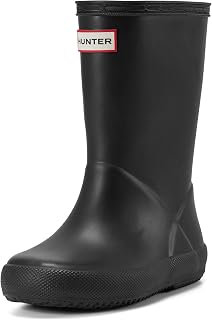


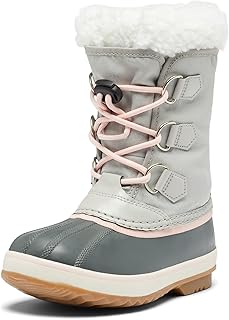


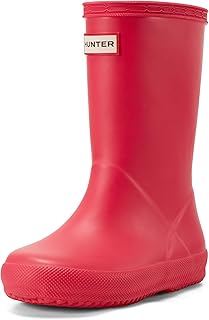


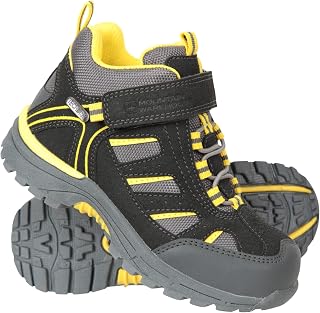


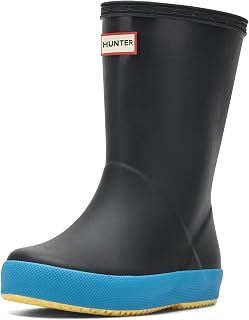


Finding the right pair of boys boots in Canada involves more than choosing a popular style or the lowest advertised price. Canadian weather can range from wet autumn conditions to deep snow, freezing temperatures, slush and icy sidewalks, so the best choice depends heavily on where and how the boots will be used. A pair intended for school and everyday city walking has different requirements from boots for winter play, hiking, farm use or extended outdoor activities.
When comparing boys boots, consider insulation, waterproofing, outsole traction, fit, flexibility, construction quality, ease of putting them on and the type of weather they are designed to handle. Brand reputation can also be useful, with established names such as Kamik, Baffin, Sorel, Columbia, The North Face, Merrell, Timberland and Keen offering different approaches to children's outdoor footwear.
This buying guide focuses on the factors that matter when comparing boys boots in the Canadian market. Rather than assuming one boot is ideal for every child, use the criteria below to match the construction and features to the child's age, activity level, climate and daily routine.
A smart purchase is not necessarily the cheapest boot. A better value comes from balancing purchase cost with durability, comfort, weather protection and how often the boots will actually be used. Children's footwear also has a relatively demanding job because kids frequently walk through puddles, snow, mud and wet grass, while school-day boots may be taken on and off repeatedly.
Winter boots are designed for cold-weather conditions and generally combine insulation with an outsole intended for snow and slippery surfaces. For Canadian winters, pay close attention to the intended temperature range, insulation type, shaft height and sole design.
A heavily insulated boot can be useful for extended outdoor play, but it may feel unnecessarily warm for short walks between a car and school. Conversely, a lightweight everyday boot may not provide enough protection for children who spend significant time outdoors in colder regions.
Snow boots typically prioritize protection from snow, slush and moisture. Many use synthetic uppers, rubber lower sections and insulated interiors. The lower construction is especially important because melted snow can enter through seams or poorly sealed areas.
For frequent snow play, look for a secure upper closure that limits snow entering around the opening. A tall shaft can provide additional protection when children walk through deeper snow.
Rain boots are useful during wet spring and autumn conditions but should not automatically be treated as winter boots. Traditional rubber rain boots can keep water out effectively, yet they may provide limited insulation and can become uncomfortable in freezing weather.
If a child needs protection from both rain and colder temperatures, compare insulated waterproof designs rather than assuming an ordinary rubber boot will perform equally well in winter.
Hiking boots for boys are generally designed around stability, traction and durability. They can be a practical option for trails, camping and outdoor trips where a rain boot or casual winter boot may not provide enough support.
Merrell, Keen, Columbia and The North Face are among the established outdoor footwear brands worth considering when comparing children's hiking-oriented designs. Examine the outsole pattern, heel security, upper materials and closure system rather than selecting solely by brand.
Everyday boots are appropriate when the primary requirements are comfort, moderate weather resistance and easy styling. These boots may work well for school commutes, neighbourhood walks and general use, particularly during transitional seasons.
For Canadian winter conditions, however, verify the actual construction before choosing a casual boot as a winter substitute. Fashion-oriented materials and relatively shallow soles may not provide the protection or traction required in snow and ice.
Insulation is one of the most important specifications when comparing boys winter boots. Different manufacturers use different materials and construction methods, so temperature claims should be interpreted carefully. A temperature rating does not guarantee that every child will experience the same level of warmth because activity level, socks, circulation, exposure time and weather conditions all influence comfort.
Common insulation materials include synthetic fibres and foam-based systems. Synthetic insulation can provide warmth without requiring a very heavy boot, while removable insulated liners can make some designs easier to dry and maintain.
Water resistance and waterproof construction are not always identical. When comparing boots, look at how the upper, lower shell, seams and opening are constructed. Water can enter from several points even when the main material itself resists moisture.
For snow and slush, the connection between the upper and sole deserves particular attention. A boot with a protective rubber lower section can be useful where children frequently encounter wet snow and puddles. Sealed or carefully constructed seams can further reduce the likelihood of moisture entering during normal use.
Also consider the boot opening. A waterproof lower section cannot prevent snow from entering through the top if the opening is loose or the child is walking through deep snow. Adjustable toggles, drawcord systems or secure closures can therefore be practical features.
Rubber is particularly useful for wet conditions because it can create a highly water-resistant barrier. Rubber boots are easy to clean and can be excellent for rain, puddles and slushy conditions.
The trade-off is that traditional rubber boots may be less breathable and less insulating than purpose-built winter footwear. Flexibility, weight and cold-weather performance should therefore be considered before using them as a primary winter boot.
Leather can provide durability and a structured fit, making it suitable for everyday and outdoor footwear. However, leather requires appropriate care and does not automatically mean a boot is waterproof. Look for the manufacturer's stated weather-protection construction rather than assuming the material alone provides sufficient protection.
Synthetic uppers are common in children's outdoor boots because they can be relatively lightweight and can be combined with insulation and water-resistant treatments. They may also be easier to clean than some natural materials.
Textile uppers can offer flexibility and breathability, but their suitability depends on how the material is treated and how the boot is constructed. Textile hiking boots may be excellent for trails and mild wet conditions while being less suitable for deep snow or prolonged exposure to water.
Traction deserves as much attention as insulation when buying boys winter boots. Snow, packed ice, wet pavement and slush can create very different surfaces, and no ordinary footwear can eliminate the risk of slipping in every condition.
Look for an outsole with a meaningful tread pattern and rubber compounds appropriate for the intended environment. Deep, widely spaced lugs can help shed snow and mud, while other tread designs are optimized for everyday pavement and mixed surfaces.
Do not judge traction solely by the visual depth of the tread. The rubber compound, tread arrangement, contact area and flexibility of the sole all influence how a boot behaves. A very aggressive hiking-style outsole may provide useful grip outdoors but can feel less natural for children spending most of the day indoors at school.
Correct fit is essential for both comfort and practical performance. A winter boot that is too tight can compress socks and reduce comfortable foot movement, while an excessively large boot can cause heel movement and make walking less stable.
Children's feet grow quickly, so buying several sizes too large is tempting. However, excessive space can make boots difficult to walk in and may reduce stability. A better approach is to select an appropriate current fit with sensible allowance for socks and normal growth.
Parents often underestimate how valuable an easy closure system can be. Children may need to put their boots on independently at school, daycare, sports activities or home, so complicated fastening systems can become frustrating.
Heavy-duty construction is not automatically better for every child. A very robust winter boot can provide excellent protection but may feel cumbersome during school days or active play. Conversely, an ultra-light boot may be comfortable but offer less insulation, support or durability.
Flexibility should also match the intended use. Everyday footwear generally benefits from natural movement, while hiking footwear may require a somewhat more structured platform for uneven terrain. The ideal balance depends on the child's activities.
Prioritize a taller shaft, secure opening, substantial insulation, water-resistant or waterproof construction and an outsole designed for snow. The lower section should provide good protection from wet snow and slush.
Water protection becomes especially important during freeze-thaw cycles. A waterproof lower construction and sealed seams can be more useful than extremely heavy insulation when temperatures fluctuate around freezing.
Look for a comfortable, reasonably lightweight boot with sufficient insulation, reliable traction and an easy closure system. If the child spends much of the school day indoors, consider how easy the boots are to remove and whether they are excessively warm for indoor use.
Children who spend long periods playing outside generally need stronger weather protection than children who only walk briefly outdoors. Prioritize insulation, waterproofing, shaft height, traction and a secure fit.
Choose footwear based on terrain and season. Hiking-oriented boots should provide appropriate traction and stability without being unnecessarily heavy. For wet trails, water resistance can be valuable, while warm-weather hiking may place greater emphasis on breathability.
Brand recognition can help narrow a large selection, but it should not replace specification-level comparison. Different product lines within the same brand can have very different insulation levels, materials and intended uses.
The strongest choice depends on the individual model rather than the logo on the boot. Always compare construction details, sizing information and intended use before making a final decision.
When several products appear similar, use a consistent comparison framework instead of judging photographs alone. A side-by-side checklist can quickly reveal which model better fits the child's needs.
Colour, graphics and styling matter to children, but appearance says little about insulation, traction or waterproofing. Use visual appeal as one consideration rather than the deciding factor.
Waterproofing and insulation solve different problems. A boot can resist water without being designed for severe cold, just as a heavily insulated boot may not provide sufficient protection against wet conditions.
Parents often focus on insulation and overlook the sole. In Canadian winter conditions, traction is a major practical consideration and should be evaluated before purchase.
Extra space can seem economical, but a boot that is substantially oversized may be harder for a child to control. Fit should allow appropriate sock thickness and normal growth without compromising stability.
A rain boot, winter boot and hiking boot are designed around different priorities. A versatile model can work across several situations, but no single construction is necessarily optimal for every Canadian season.
Even waterproof boots can become wet internally from snow entering at the opening, perspiration or damp socks. Consider how easily the boot and liner can be dried between uses.
Customer reviews can provide useful information, particularly for children's footwear where fit and practical usability are difficult to judge from specifications alone. However, review counts and star ratings should not be treated as substitutes for technical information.
Look for recurring comments rather than isolated complaints. Pay particular attention to feedback about sizing accuracy, width, warmth, waterproofing, sole durability, closure quality and whether the boot remains comfortable after extended use.
The advertised price is only one part of value. When comparing deals, evaluate the specifications and intended use first, then compare the current price for equivalent products. A lower-priced boot is not necessarily a better deal if it lacks the insulation, traction or construction required for the child's conditions.
Seasonal timing can also influence footwear pricing. Winter boots may receive greater attention as cold weather approaches, while end-of-season periods can sometimes provide opportunities to compare discounted models. Because prices, inventory and promotions change, check current retailer information before making a purchase decision.
When evaluating an offer, compare the exact model number rather than relying on product names alone. Different versions can have similar names while differing in insulation, materials, colours, closures or construction.
Good maintenance can help preserve the performance and appearance of children's boots. The correct cleaning method depends on the materials, so always follow the care instructions supplied for the specific model.
Road salt and winter grime can be particularly hard on footwear. After use in heavily treated areas, wiping away surface residue can help keep the materials cleaner. Allow the boots to dry fully before storing them, and follow the manufacturer's instructions for leather conditioners, waterproofing products or other treatments where applicable.
Rubber components can generally be cleaned of accumulated dirt, while fabric, leather and synthetic materials may require different care. Avoid assuming that a treatment suitable for one material is safe for another.
Children may outgrow boots before the materials show significant wear, but heavily used footwear should also be inspected for functional deterioration. Replacement may be appropriate when the sole is significantly worn, waterproofing has failed, structural components are damaged or the boot no longer fits correctly.
A premium price can reflect additional materials, insulation, construction, brand positioning or specialized features, but higher cost does not automatically make a boot the best choice for every child. The key question is whether the additional features address a real requirement.
For occasional rain use, an expensive extreme-cold winter boot may provide more performance than necessary. For a child who spends hours outdoors in severe winter weather, however, stronger insulation, more substantial construction and improved protection may justify spending more.
Think in terms of suitability rather than price alone. A moderately priced boot that closely matches the intended conditions can be a smarter purchase than an expensive boot designed for a completely different environment.
If you are reviewing a shortlist of ten boys boots, avoid ranking every product using one universal score. Instead, identify the category in which each boot is strongest and compare products according to the child's requirements.
For younger children, ease of use is especially important. Pull handles, simple closures and lightweight construction can make dressing easier. The boot should still provide appropriate protection for the weather, but complicated fastening systems may be counterproductive if the child cannot operate them independently.
School-age children often need a balance between outdoor protection and indoor practicality. Consider how the boot performs during the commute as well as how manageable it is once the child is indoors.
Older children may place greater demands on footwear through sports, hiking, commuting and extended outdoor activities. Durability, traction, fit and activity-specific performance can therefore become more important than decorative features.
Canada is not one uniform winter environment. Conditions can differ considerably between regions, and even within the same location, temperatures and precipitation can vary throughout the season. A boot suitable for relatively mild wet winters may not be appropriate for prolonged exposure to very low temperatures or deep snow.
Consider the child's actual environment rather than choosing based on a generic idea of a Canadian winter. Think about snow depth, average outdoor exposure, commuting distance, precipitation, sidewalk conditions and whether the child spends substantial time playing outside.
The best option depends on the local climate and how the child uses the boots. For substantial snow and cold, prioritize insulation, waterproof construction, suitable height and traction. For milder wet conditions, a lighter waterproof boot may be more practical.
No. Waterproofing protects against moisture, while snow performance also depends on insulation, shaft height, outsole traction and the boot's ability to keep snow away from the opening.
They should have enough room for comfortable foot movement and appropriate socks, but excessive extra space can reduce stability. Use the manufacturer's sizing guidance and check the actual fit rather than automatically choosing a much larger size.
Rubber boots can be excellent for rain, puddles and slush, but ordinary uninsulated rubber boots are not necessarily appropriate for prolonged exposure to freezing temperatures. For winter, compare insulated designs specifically intended for cold weather.
Neither is universally more important. Insulation addresses cold, while waterproofing addresses moisture. In wet snow and slush, both can be important. The right balance depends on the conditions and duration of outdoor use.
They can be worthwhile when the additional construction, insulation, durability or activity-specific features match the child's needs. Higher cost alone does not guarantee better value, so compare specifications and fit before deciding.
Traction is a major consideration for winter and outdoor footwear. Look for an outsole designed for the surfaces the child will encounter, while remembering that no boot eliminates every slipping hazard on ice.
Kamik, Baffin, Sorel, Columbia, The North Face, Merrell, Timberland and Keen are established brands that can be included in a comparison. The specific model remains more important than the brand name because construction and intended use vary between product lines.
There is no universal replacement schedule. Replace boots when they no longer fit properly or when important components such as the outsole, waterproofing, insulation or closures have deteriorated enough to affect performance.
Start with the child's actual needs, establish the features that are essential, then compare equivalent models and current prices. Seasonal promotions can change quickly, so check the latest retailer pricing and product availability before purchasing.
The smartest way to choose boys boots in Canada is to match the boot to the child's real-world conditions. Start with the intended activity and season, then compare insulation, waterproofing, traction, materials, fit, weight and closure design. Once those requirements are established, use customer feedback and current pricing to distinguish between otherwise similar options.
For families dealing with heavy snow and prolonged cold, prioritize protection and warmth. For rainy conditions, focus on water resistance and easy maintenance. For school and everyday use, comfort and manageable weight can be just as important as weather protection. For hiking and outdoor activities, traction, stability and durability deserve additional attention.
Before buying, verify the exact product specifications, sizing information, current retailer price and availability in Canada. Product details and offers can change during the year, so a careful final comparison is the best way to determine whether a particular boys boot represents good value for your needs.