

♥ Wishlist
Compare 59 Bath Toys for Fun and Engaging Bath Time products in Canada. Reviews, ratings, pros, cons and buying advice updated for October 2026.


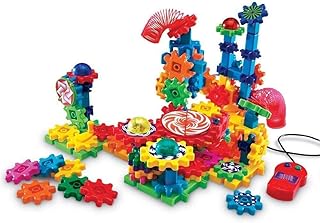


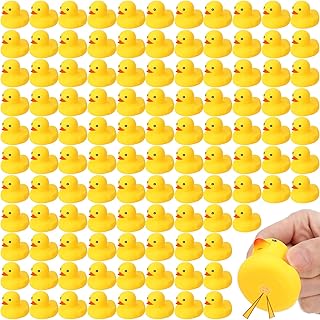


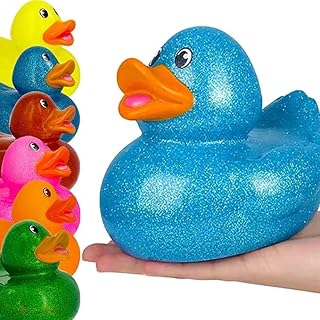


Choosing bath toys is about more than finding something colourful or inexpensive. The best bath toys for Canadian families should be enjoyable, age-appropriate, easy to clean, made from suitable materials, and practical for repeated use. A good buying decision also considers how quickly a toy dries, whether water can become trapped inside it, how securely small components are attached, and how easily parents can inspect the toy for wear.
This 2026 buying guide is designed to help Canadian shoppers compare bath toys by the features that matter most rather than relying on appearance alone. When evaluating products from brands such as Munchkin, Nuby, Boon, Skip Hop, Tomy, Yookidoo, Green Toys, and Fisher-Price, compare the exact model, recommended age range, materials, construction, cleaning instructions, and current retailer information.
A smart buy is not necessarily the cheapest bath toy. It is the option that provides an appropriate combination of play value, durability, hygiene, usability, and price for the intended child. A simple floating toy that can be completely emptied and dried may be a better long-term choice than a complicated toy with numerous enclosed chambers that are difficult to clean.
Parents should also distinguish between a toy that looks entertaining and one that fits the child's developmental stage. Younger children may benefit from large, easy-to-grip toys, while older toddlers may enjoy pouring, scooping, stacking, sorting, and water-flow activities. Always use the manufacturer's stated age guidance as one of the starting points when comparing products.
Floating toys are among the simplest bath-time choices. They can encourage reaching, grasping, identifying colours, and imaginative play without requiring a complicated mechanism. Animals, boats, balls, and other floating shapes are common examples.
The most important consideration is whether the toy is easy to clean and dry. A completely sealed design may reduce the possibility of water entering the interior, while an openable design can be useful when the manufacturer specifically provides a way to inspect and clean the inside. Avoid assuming that every sealed-looking toy is permanently watertight; inspect products according to their care instructions.
Cups, buckets, scoops, and containers are useful for children who enjoy experimenting with water. They can support simple concepts such as filling, emptying, pouring, comparing quantities, and observing how water moves through different openings.
These toys are particularly practical because they generally have straightforward construction. Look for smooth edges, comfortable handles, appropriately sized openings, and designs that can be rinsed and dried thoroughly.
Water wheels and similar toys introduce cause-and-effect play. Children pour or direct water into the toy and observe wheels, channels, or moving components respond to the flow.
These products can provide more engaging play than a basic floating toy, but their additional components also create more places where soap residue or moisture may collect. Before purchasing, check whether the individual components can be separated for cleaning and whether the manufacturer's instructions explain how the toy should be dried.
Stacking cups are versatile bath toys because they can be used for pouring, nesting, floating, and simple water experiments. Their compact form also makes them easier to store than larger bath playsets.
When comparing stacking cups, consider whether the pieces have drainage holes, whether those holes can be cleaned easily, and whether the cups are large enough that they are unlikely to be confused with small loose objects by the intended user.
Water-resistant bath books can add a quieter activity to bath time. They are especially useful for parents who want to combine play with basic picture recognition, storytelling, colours, numbers, or other age-appropriate learning themes.
Inspect seams, pages, handles, and any attached components periodically. Follow the manufacturer's cleaning and drying instructions instead of treating all waterproof books as identical.
Interactive sprinklers can make bath time more engaging by producing different water patterns or movements. They may appeal to children who enjoy sensory and cause-and-effect activities.
Because these toys may contain more internal components than basic bath cups, cleaning requirements deserve extra attention. Look for products with accessible parts and clearly described maintenance procedures.
Material selection matters because bath toys spend substantial time around warm water, soap, moisture, and frequent handling. The material alone does not determine whether a product is a good choice; construction quality, manufacturing specifications, intended age, and care instructions are equally important.
Plastic is widely used for bath toys because it can be lightweight, moulded into different shapes, and relatively easy to rinse. When comparing plastic toys, pay attention to the manufacturer's stated material information rather than assuming that every plastic product has identical properties.
Smooth surfaces and uncomplicated construction can make cleaning easier. Products with numerous narrow channels, deep grooves, or inaccessible cavities may require more attention during maintenance.
Silicone is used in some modern bath toys because it can provide a soft, flexible feel. It may also be used for toys designed to be squeezed, folded, or manipulated during play.
Check the manufacturer's care instructions carefully. A material being marketed as easy to clean does not mean every silicone toy can be treated the same way, particularly when it contains multiple pieces or integrated components.
Wooden bath toys can have a distinctive appearance and tactile quality, but water exposure makes maintenance especially important. Compare the manufacturer's instructions for water use, drying, finishes, and storage.
A wooden product intended specifically for bath use should not automatically be treated like an ordinary wooden household toy. Follow the instructions for that exact product.
One of the most overlooked bath-toy considerations is what happens after bath time. Water left inside or underneath a toy creates a persistently damp environment. For that reason, drainage and drying should be part of the buying decision rather than an afterthought.
Examine whether a toy has drainage openings, removable components, or cavities that can be inspected. Consider how you will store it after use. A toy that can be placed where air circulates freely is generally easier to maintain than one that remains enclosed in a wet storage container.
Hygiene should be considered alongside entertainment value. A toy that is used frequently may need regular inspection and cleaning, especially when it comes into contact with bathwater, bubble bath, shampoo, or other products.
Simple construction often makes routine maintenance easier. If a toy has an internal reservoir, pump, tube, squeeze mechanism, or multiple connected chambers, read the cleaning instructions before purchasing so you understand what ongoing care involves.
A bath toy should be selected according to the child's age and developmental stage, not simply because the design looks appealing. Products intended for babies, young toddlers, older toddlers, and preschool-age children can differ significantly in size, moving parts, and complexity.
Always read the manufacturer's recommended age range and safety information for the exact product. A toy that is appropriate for one age group may not be appropriate for a younger child because of detachable or small components.
For babies, simple designs are generally easier to handle and supervise. Large shapes, soft textures, easy-to-grip forms, and straightforward water interaction can be preferable to complicated toys with multiple detachable parts.
Bath toys should never replace active adult supervision. Even toys specifically marketed for babies should be used according to their instructions and the child's abilities.
Toddlers may enjoy toys that encourage pouring, scooping, stacking, sorting, and cause-and-effect play. Cups, floating objects, water wheels, and simple interactive designs can provide several forms of play without requiring sophisticated controls.
As toddlers become more independent, parents should still inspect toys regularly and supervise bath play appropriately.
Preschoolers may appreciate more elaborate water-play activities involving imaginative scenarios, construction, sequencing, and experimentation. Larger playsets can provide more possibilities, but they also require more storage space and potentially more cleaning.
Safety should take priority over colour, novelty, or the number of accessories included. The exact safety considerations depend on the product and the child's age, so buyers should read the manufacturer's warnings and instructions before use.
Check whether the toy contains detachable components. Small pieces can present a hazard for younger children, so the manufacturer's age recommendation and warnings should be followed carefully.
Run a visual and tactile inspection over the product when appropriate. Look for damaged plastic, sharp edges, rough seams, cracks, or other defects. Stop using a toy if it becomes damaged in a way that could affect safe handling.
Battery-operated toys require additional attention because they combine electronics with a wet environment. Follow the manufacturer's instructions regarding water exposure, battery installation, seals, charging, and cleaning.
Do not assume that an electronic toy is waterproof simply because it is marketed for bath time. Check the exact product specifications and intended method of use.
Terms describing water resistance can be easy to misinterpret. A product may be designed to tolerate splashing without being designed for complete immersion. This distinction is particularly important for battery-powered toys and products containing electronic components.
Before purchasing an interactive bath toy, check the manufacturer's instructions for exactly how the toy should be used in water. If the information is unclear, choosing a simpler non-electronic design can eliminate unnecessary uncertainty.
Durability is not just about whether a toy feels thick or heavy. Consider the number of moving parts, the attachment points, the flexibility of the material, the complexity of the mechanism, and how the toy will be stored between uses.
A highly complicated toy can offer excellent entertainment while also requiring more maintenance. Conversely, a basic bath cup may provide years of useful play with very little maintenance. The better choice depends on the child's interests and the family's priorities.
Bath-toy storage should allow water to escape and air to circulate. Keeping wet toys piled together can make drying more difficult, so consider a storage container or rack that supports drainage.
Wall-mounted baskets, ventilated bins, mesh organisers, and draining tubs can all be useful depending on the bathroom layout. Before choosing a storage system, check how much space is available and whether the container can itself be cleaned easily.
A common mistake is buying a large collection of toys without planning where they will go. A smaller selection of versatile toys can be easier to maintain than a crowded basket containing dozens of individual pieces.
For families with limited bathroom space, prioritise toys that stack, nest, or have compact storage requirements. For larger households, a divided organiser can make it easier to separate frequently used toys from those that need cleaning or inspection.
Interactive products can provide more varied play, but more features do not automatically mean better value. A water-flow toy may be ideal for a child fascinated by cause and effect, while another child may prefer simple animal figures and cups.
Compare the actual play opportunities rather than counting accessories. Ask whether the child can use the toy in several ways and whether those activities remain interesting after the novelty wears off.
Customer reviews can help identify practical issues that may not be obvious from product photographs. However, individual experiences can vary, so reviews should be considered alongside the manufacturer's specifications.
Instead of focusing only on the overall star rating, look for repeated comments about durability, cleaning, drainage, ease of use, storage, sizing, and whether the toy performs as described.
A high rating does not necessarily mean a product is right for your household. A toy can be popular while still having features that do not fit your requirements. For example, a large playset may be highly rated but inconvenient for a small bathroom, while a basic set of cups may have fewer features but be much easier to maintain.
Use ratings as one comparison signal. Then check the exact specifications, age guidance, materials, dimensions, cleaning requirements, and current customer feedback.
Well-known children's brands can provide a useful starting point for research because their product ranges often cover several styles and age groups. Brands commonly encountered in the Canadian market include Munchkin, Nuby, Boon, Skip Hop, Tomy, Yookidoo, Green Toys, and Fisher-Price.
Brand recognition should not replace product-level research. A manufacturer can offer simple bath cups, interactive toys, books, and larger playsets, each with different construction and care requirements. Always compare the exact model rather than assuming all products from one brand have identical features.
Munchkin offers a broad range of products for babies and young children, including bath-time accessories and toys. When comparing Munchkin bath toys, pay attention to the intended age, construction, drainage, and cleaning requirements of the individual model.
Nuby is another established children's brand with products covering feeding, care, and bath-time activities. Its bath toys can be evaluated using the same criteria as other brands: age suitability, materials, ease of cleaning, construction, and storage.
Boon is known for modern-looking baby and children's products, including bath-related designs. Its distinctive styling can be appealing, but buyers should still evaluate how easily a particular toy can be cleaned and dried.
Skip Hop produces children's products with a strong emphasis on practical design and playful styling. When comparing its bath toys, consider the exact toy's dimensions, intended age, components, and maintenance instructions.
Tomy has a long history of children's toys and offers bath-focused products featuring water play and interactive elements. Buyers should compare the mechanism and cleaning requirements of individual models before choosing one.
Yookidoo focuses on interactive infant and toddler play, including water-play products. These toys can be particularly interesting for children who enjoy water movement, but the additional mechanisms make it important to understand cleaning and care requirements.
Green Toys is known for children's products made with recycled plastic materials. When considering its bath toys, review the specific product's material information, construction, age recommendation, and cleaning instructions.
Fisher-Price offers a wide range of children's toys across age groups. Its bath products should be compared individually because different designs can have very different play features, materials, and maintenance requirements.
A large collection may appear exciting, but excessive toys can make storage, cleaning, and inspection unnecessarily difficult. A smaller collection of versatile products can provide plenty of play opportunities.
Age guidance is an important part of product selection. Do not purchase a toy simply because it appears entertaining if its stated age range does not suit the child.
Parents often examine the outside of a toy but overlook its internal construction. If water can enter a toy, investigate how it drains and how the manufacturer says it should be cleaned.
Bright colours, character designs, and unusual shapes can attract attention, but they do not tell you how easy the product is to maintain. Include cleaning and drying in the initial comparison.
Bath suitability varies by product. Electronic and battery-powered toys require particular attention to the manufacturer's water-use instructions.
A toy may be excellent in isolation but inconvenient if there is nowhere to store it properly. Measure available storage space and consider how the product will dry after each use.
Prices can vary by retailer, product version, bundle size, promotions, and timing. Rather than judging value from the ticket price alone, compare the amount of useful play, construction, maintenance requirements, and expected practicality.
When checking Canadian listings, compare the exact model number where available. Similar-looking products can have different sizes, accessories, materials, or included components. Also check whether the displayed price applies to a single item or a multi-piece set.
Before buying, carefully review the product listing rather than relying solely on the title or promotional images. Product pages can contain important information about dimensions, materials, included pieces, age recommendations, and care instructions.
The most useful bath toys often encourage children to interact with water in more than one way. Features such as pouring, scooping, stacking, floating, spinning, squirting, sorting, and water-channel play can create different activities from the same basic product.
However, every additional feature should be evaluated against cleaning and durability. A feature is valuable only if it can be maintained appropriately and is suitable for the intended child.
Open-ended toys allow children to decide how they want to use them. Cups, containers, floating objects, and simple figures can support imaginative play without requiring a specific sequence.
Water wheels, funnels, sprinklers, and similar toys can demonstrate simple cause-and-effect relationships. These products may be especially engaging for children who enjoy watching water change direction or activate a moving component.
Boats, animals, characters, and themed sets can encourage storytelling. For children who enjoy pretend play, a straightforward collection of figures may provide more lasting value than a highly specialised mechanism.
Instead of buying several products that perform the same function, consider combining different categories. A balanced collection might include one or two floating toys, a set of pouring cups, one interactive water-flow toy, and an age-appropriate book or imaginative-play item.
This approach can reduce clutter while giving children several different ways to play. Rotate toys occasionally if desired, and remove products that are damaged, difficult to clean, or no longer suitable for the child's age.
A practical maintenance routine is more important than purchasing the largest or most expensive collection. After bath time, follow the manufacturer's instructions for rinsing, draining, cleaning, and drying each toy.
There is no single replacement schedule that applies to every bath toy. Instead, replacement should depend on the toy's condition, construction, maintenance requirements, and manufacturer guidance.
Consider replacing a product when it develops cracks, damaged seams, loose components, persistent deterioration, or other defects that could affect safe use. Toys with internal cavities or mechanisms should receive particular attention because damage may not always be immediately obvious from the outside.
Canadian homes and apartments can have very different bathroom layouts, so storage space is an important practical consideration. For a compact bathroom, prioritise nesting cups, stackable pieces, slim storage systems, and toys that do not require permanent counter space.
Avoid choosing a large bath playset solely because it contains more pieces. If storage becomes inconvenient, the toys may spend more time sitting wet in a crowded container rather than drying properly.
If several children use the same bathroom, consider products that can be easily identified, separated, cleaned, and stored. Durable designs with simple maintenance requirements may be preferable when toys are handled frequently by multiple children.
Keep age differences in mind. A toy appropriate for an older child may contain pieces unsuitable for a younger sibling, so mixed-age households should pay particular attention to manufacturer age recommendations and supervision requirements.
Use the following sequence when comparing products in 2026:
Check the exact manufacturer's recommended age range and warnings. Do not rely only on the product photograph or general category.
Look for accessible surfaces, clear care instructions, and construction that does not make routine maintenance unnecessarily complicated.
Determine whether the product is sealed, drainable, or designed to be opened for cleaning. Follow the manufacturer's instructions for that exact model.
If it uses batteries, review the manufacturer's instructions for water exposure, battery access, seals, charging, and cleaning.
Check the product dimensions and storage requirements before buying, particularly if your bathing area has limited space.
Consider whether the child can use the toy in several ways instead of focusing only on the number of pieces included.
Compare the exact model across current Canadian listings. Consider the total value rather than selecting solely by the lowest price.
The best option depends on the baby's age, abilities, and the manufacturer's recommended age range. Simple, easy-to-grip designs with straightforward construction can be practical choices. Always follow the product's safety instructions and maintain active adult supervision during bath time.
Not necessarily. Price does not by itself determine durability, hygiene, or play value. Compare materials, construction, features, cleaning requirements, age suitability, and customer feedback before deciding.
Neither material is automatically better for every situation. Silicone can offer flexibility and a soft feel, while plastic can provide rigid construction and a wide range of shapes. Evaluate the specific product's construction and care instructions rather than choosing based only on material.
Follow the manufacturer's cleaning guidance for the exact product and clean them as appropriate for how frequently they are used. Regular inspection and thorough drying are important parts of ongoing bath-toy care.
Store them in a way that allows water to drain and air to circulate. Ventilated baskets, draining tubs, mesh organisers, and similar solutions can be useful depending on the bathroom.
Do not assume that a toy is suitable for a newborn simply because it is marketed as a bath toy. Check the exact manufacturer's age recommendation and warnings before use.
Only use them according to the manufacturer's specific water-use instructions. Water resistance, splash resistance, and submersion capability are not necessarily the same thing.
Stop using the damaged product and assess it against the manufacturer's safety guidance. If the damage affects the toy's structure, creates loose pieces, or prevents appropriate cleaning, replacement is generally the more practical option.
There is no universal number. A small collection covering several types of play can be more useful than a large collection of similar toys. Consider the child's interests, bathroom storage, cleaning routine, and frequency of use.
Bath toys should not be treated as a substitute for appropriate adult supervision. Follow applicable safety guidance and the manufacturer's instructions for the child's age.
Compare the exact product model across Canadian retailers, check current prices, review recent customer feedback, and compare included accessories. A discounted product is only a good deal if its specifications and condition meet your requirements.
The best bath toy is the one that fits the child's age, interests, and developmental stage while remaining practical for parents to clean, dry, inspect, and store. A basic set of cups can be a smarter purchase than a feature-heavy playset if simplicity is the priority. Likewise, an interactive water-flow toy may be worthwhile when a child is particularly interested in cause and effect and the additional maintenance is manageable.
For Canadian shoppers comparing bath toys in 2026, focus on the complete ownership experience rather than the promotional headline. Compare the exact product specifications, age guidance, materials, construction, drainage, cleaning requirements, storage needs, customer feedback, and current price. Trusted brands such as Munchkin, Nuby, Boon, Skip Hop, Tomy, Yookidoo, Green Toys, and Fisher-Price can be useful starting points, but the individual product should always determine the final decision.
Before purchasing, review current Canadian retailer listings and verify today's specifications, pricing, availability, included accessories, and customer feedback. Product information can change, so the most reliable buying decision is based on the exact listing and manufacturer's information available when you shop.