

♥ Wishlist
Compare 56 After Shaves for Men products in Canada. Reviews, ratings, pros, cons and buying advice updated for October 2026.


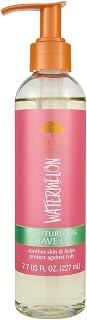


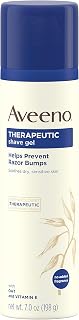




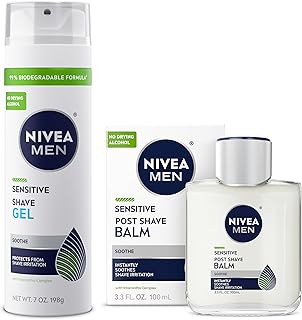

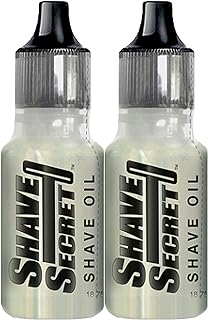


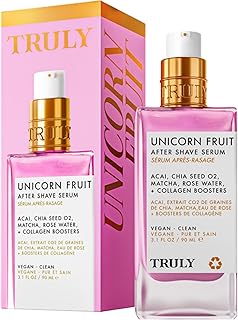


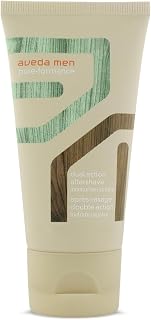

Choosing an aftershave is not simply a matter of picking the most recognizable fragrance or the most expensive bottle. The right product should suit your skin type, shaving routine, preferred scent profile, climate, and tolerance for alcohol-based formulas. Canadian shoppers also have practical considerations such as dry indoor air during winter, colder outdoor temperatures, and the difference between products designed primarily to soothe freshly shaved skin and those intended mainly as fragrance.
For a more useful comparison, look beyond star ratings and promotional descriptions. Examine the ingredient list, formula type, fragrance strength, bottle size, intended skin type, application method, and overall value. A product that works exceptionally well for oily skin may not be the best choice for someone whose skin becomes dry or uncomfortable after shaving.
One of the most common buying mistakes is treating every scented men's grooming product as an aftershave. Traditional aftershave is generally designed for use immediately after shaving, while cologne, eau de toilette, and eau de parfum are primarily fragrance products.
If your primary objective is comfortable skin after shaving, concentrate on aftershave formulation rather than buying a fragrance simply because its scent is appealing.
Alcohol-based aftershaves are traditionally associated with a noticeable sting or cooling sensation immediately after application. Some users enjoy that classic experience, while others find it uncomfortable, particularly when shaving frequently or when the skin is already dry.
If your skin tends to feel tight, flaky, or irritated after shaving, compare alcohol-free and balm-style alternatives. Avoid assuming that a stronger sensation means a more effective product. The immediate feeling on the skin is not a reliable measure of overall suitability.
After shaving, the skin can benefit from a formula that helps maintain a comfortable moisture balance. When comparing products, look for ingredients commonly used in moisturizing or conditioning skincare, such as glycerin, aloe vera, panthenol, shea butter, or other emollient ingredients.
The exact formula matters more than the marketing language on the front of the bottle. Two products described as moisturizing may have substantially different ingredient lists and textures. Read the packaging carefully, particularly if your skin is sensitive to fragrance or specific cosmetic ingredients.
Fragrance is one of the most subjective parts of an aftershave purchase. Fresh, citrus, aquatic, woody, spicy, aromatic, and classic barbershop profiles can all appeal to different users.
Because fragrance perception varies significantly between individuals, customer reviews are most useful when they describe the actual scent character, longevity and strength rather than simply calling a product "good smelling."
Dry skin generally calls for a gentler post-shave routine. A balm or moisturizing aftershave can be preferable to a strongly astringent splash, particularly if shaving leaves the skin feeling tight.
Compare formulas that include moisturizing ingredients and avoid selecting a product solely because it provides a strong alcohol sensation. During Canadian winters, low outdoor temperatures and heated indoor air can make an already-dry skincare routine feel even more uncomfortable, so texture and hydration can become particularly important.
People with oily skin may prefer lightweight lotions or splashes that do not leave a heavy or greasy finish. However, oily skin can still become dehydrated, so excessively harsh products are not automatically the better choice.
Look for a balance between a comfortable finish and adequate post-shave conditioning. If you dislike a noticeable residue, compare lighter formulations and pay attention to customer comments about absorption and finish.
Sensitive skin requires greater attention to the complete ingredient list. Fragrance, alcohol and certain botanical ingredients can be uncomfortable for some people, even when a product is marketed as gentle.
Shoppers with relatively balanced skin have the widest range of choices. The decision can therefore focus more heavily on fragrance, texture, finish, shaving frequency and personal preference.
The balm-versus-splash decision is one of the most useful ways to narrow a large aftershave selection.
There is no universal winner. The best format depends on how your skin feels immediately after shaving and what kind of finish you prefer.
Aftershave selection can change with the season. Canada's wide range of climates means that a product comfortable during a humid summer may not feel equally comfortable during a cold, dry winter.
Cold weather combined with indoor heating can contribute to a drier-feeling skincare environment. During winter, shoppers may prefer a richer balm or moisturizing formula, especially after frequent shaving.
Moderate seasons can be a good time to use a versatile formula that provides conditioning without feeling excessively heavy. Personal skin characteristics remain more important than the calendar, however.
In warmer weather, a lightweight lotion or splash may feel more comfortable for people who dislike a rich finish. Fragrance strength can also become more noticeable in heat, making scent intensity an important comparison factor.
The front label is useful for identifying the product's general positioning, but the ingredient list provides a much better basis for comparison. Shoppers should understand the difference between an ingredient being present and a product being suitable for their individual skin.
Ingredient terminology can vary between products and regions, so the packaging supplied with the product should be treated as the final reference for the current formulation.
Brand recognition can help shoppers create a shortlist, but it should not replace product-level comparison. Established names such as NIVEA, Old Spice, Proraso, Clinique, L'Oréal Paris, Dior and Chanel cover very different product styles and price segments.
A better comparison asks what each specific formula is intended to do. A classic splash from one brand should not automatically be compared with a moisturizing balm from another simply because both carry the word "aftershave."
Customer reviews can be valuable, but large review counts do not automatically make a product the right choice. Read reviews for specific information that can help you predict whether the product will suit your routine.
One-word reviews such as "excellent" or "terrible" provide limited information. Similarly, a complaint about fragrance may simply reflect personal taste rather than a product defect. Look for patterns across multiple detailed reviews rather than allowing a single unusually positive or negative comment to determine your purchase.
A fragrance can be appealing while the formula is unsuitable for your skin. If you experience dryness or irritation after shaving, skincare characteristics should receive at least as much attention as fragrance.
Higher-priced products can offer distinctive fragrances, packaging or brand positioning, but price alone does not establish that a product will perform better for your particular shaving routine.
A lower sticker price does not necessarily represent better value. Compare the amount of product included and, when possible, calculate the approximate cost per millilitre.
A fragrance that lasts longer is not necessarily a better post-shave product. If your priority is skin comfort, evaluate the formula separately from how long the scent remains noticeable.
The traditional sting can be part of the appeal of classic aftershaves, but it is not suitable for everyone. If your skin reacts poorly to such formulas, compare gentler alternatives instead of assuming the sensation is necessary for an effective routine.
Manufacturers can change ingredients, packaging, bottle sizes and product variants. Always review the current product information before purchasing rather than relying entirely on an older review or description.
Even the best aftershave cannot compensate for an unnecessarily aggressive shaving routine. Product selection works best when combined with sensible shaving technique and basic skincare.
If shaving repeatedly produces significant irritation, changing the aftershave may not solve the underlying problem. Razor condition, shaving technique, frequency, hair direction and other skincare products can all affect the result.
More product is not necessarily better. Applying excessive aftershave can create an unnecessarily strong fragrance or uncomfortable residue, while using too little may not provide the sensory experience you want.
Start with the amount recommended on the packaging and adjust according to the product's texture and your personal preference. Balms generally require a different approach from watery splashes, so avoid applying both formats in exactly the same quantity.
If you also wear cologne or eau de parfum, consider how the scents interact. Using a strongly scented aftershave underneath another strong fragrance can produce a confusing combination.
Remember that fragrance develops differently on skin than it does on a paper tester or directly from the bottle. Allowing time for the scent to develop provides a more useful impression.
A smart purchase is not necessarily the cheapest bottle. Value depends on how well the product fits your needs, how much product you receive, how often you use it, and whether you actually enjoy incorporating it into your routine.
When comparing different bottle sizes, divide the purchase price by the volume in millilitres. This provides a more meaningful comparison than looking only at the shelf price.
Someone who shaves every day may value a larger bottle or economical formula more than someone who shaves only occasionally. Conversely, a premium product can make sense for occasional use if fragrance and presentation are important priorities.
For Canadian shoppers, compare the final checkout cost rather than relying solely on an advertised product price. Depending on the retailer and purchase circumstances, taxes, delivery charges or other costs can affect the final amount.
Premium aftershaves can appeal to shoppers who prioritize brand heritage, sophisticated fragrance profiles, presentation or a particular sensory experience. More affordable products can be attractive when everyday practicality and cost efficiency are the primary goals.
There is no universal reason to select one category over the other. The best approach is to establish your priorities first and then compare products within that framework.
A promotion is only useful when the underlying product is suitable for you. Before considering a deal, check the exact product name, volume, formulation, seller information, included items and current product description.
Aftershave gift sets can be appealing when they combine grooming products with matching fragrance or skincare items. However, a gift set is not automatically better value than purchasing the products individually.
Compare the contents, individual sizes and usefulness of every item. If you only want the aftershave, a larger standalone bottle may be more practical than paying extra for products you will rarely use.
Packaging is not merely an aesthetic consideration. A well-designed bottle should be easy to handle with wet hands, dispense an appropriate amount and close securely between uses.
Store aftershave according to the manufacturer's instructions and avoid unnecessary exposure to excessive heat, direct sunlight or other unsuitable conditions. Keeping the cap or closure properly secured can also help preserve the product's intended condition.
When comparing ten or more products, using the same evaluation framework makes the final decision much easier. Instead of asking which product is "best" in isolation, score each option against the factors that matter to you.
Before purchasing any product from a 2026 shortlist, run through this quick checklist:
The best aftershave depends on your skin type, preferred formula, fragrance preferences and budget. There is no single product that is ideal for every Canadian shopper. A practical shortlist should compare ingredients, product format, customer feedback, bottle size and current value.
Aftershave is optional. Some people enjoy using it for fragrance, skin conditioning or the traditional post-shave experience, while others prefer a dedicated moisturizer or skincare product. Your shaving routine and skin needs should determine whether aftershave adds value.
Choose based on the finish and skin feel you prefer. Balms generally provide a richer application, while splashes are lighter and often associated with a more traditional post-shave experience.
Not universally. Alcohol-free formulas can be worth considering if you dislike the sting or find traditional alcohol-based products drying or uncomfortable. However, the complete formulation is more important than one ingredient alone.
You can choose products specifically formulated with sensitive skin considerations in mind, but individual reactions vary. Check the ingredient list and avoid products that you already know cause discomfort or irritation.
Sometimes an aftershave balm can provide a moisturizing feel, but not every aftershave is designed to function as a dedicated moisturizer. Check the product's intended use and formula rather than assuming all aftershaves provide equivalent hydration.
There is no universal duration. Longevity varies according to formulation, fragrance composition, skin chemistry, application amount and environmental conditions. Traditional aftershaves are generally not chosen solely for maximum fragrance longevity.
Yes, but consider fragrance compatibility. A strongly scented aftershave can alter the way your cologne smells when layered. A lighter or minimally scented aftershave provides more flexibility if your fragrance is the main focus.
It can be worthwhile when its fragrance, formulation or overall experience matches your priorities, but price is not a reliable standalone indicator of suitability. Compare the specific formula, size and purpose before paying a premium.
Compare the current price alongside bottle volume and calculate the approximate cost per millilitre. Also consider the formula, usage frequency and whether the product provides the features you actually want.
They can be, particularly when you would use the included products. Compare the combined contents and sizes against standalone alternatives before deciding that a gift set offers better value.
Confirm the exact product variant, bottle size, current ingredient information, seller details, customer feedback and final purchase cost. Product names can be similar, so verify the complete product description before placing an order.
The smartest way to choose an aftershave is to match the product to your actual shaving routine rather than chasing a generic "best" label. Start with skin type, then select the appropriate formula, fragrance style and price range. From there, compare ingredients, bottle size, customer feedback and current value.
For Canadian shoppers, seasonal comfort is also worth considering. A lightweight splash may be appealing when you want a clean, fresh finish, while a richer balm may be more attractive when your skin feels dry during colder periods. Your personal response should ultimately guide the decision.
Before buying, verify the current specifications and formulation for the exact product you are considering. Brands can update packaging, sizes, ingredients and product ranges, and retailers can change prices or promotional offers. Treat the "deal" as one part of the decision rather than the reason to buy a product that does not suit your skin.
Whether you are comparing affordable everyday grooming products or premium fragrances from brands such as NIVEA, Old Spice, Proraso, Clinique, Dior and Chanel, the strongest purchase decision comes from comparing like with like. Focus on formula, comfort, fragrance, ingredients, quantity and total value, then choose the product that best fits your own priorities.