

♥ Wishlist









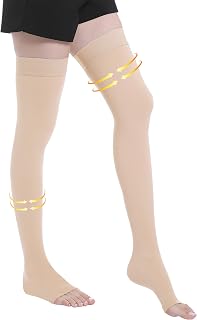


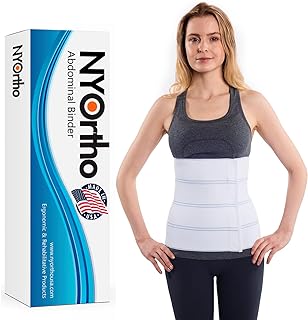


Medical compression garments are designed to provide controlled pressure around specific areas of the body. Depending on the garment, shoppers can find compression socks, knee-high and thigh-high stockings, pantyhose, tights, leggings, sleeves, girdles, abdominal binders and other supportive designs. The products available in this category cover a range of compression levels, sizes, lengths and construction styles, giving Canadian shoppers options for everyday support, travel, activity and recovery-related needs.
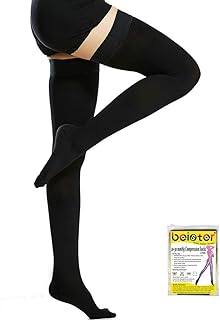
Compression socks and stockings are among the most common choices. Knee-high styles can provide coverage from the foot to below the knee, while thigh-high versions extend further up the leg. Some designs are closed toe, while others use an open-toe construction. Footless compression stockings and sleeves are also available for shoppers who prefer coverage around the leg without enclosing the foot. When comparing these products, consider where you want compression and which design is practical for your routine.
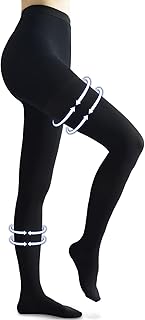
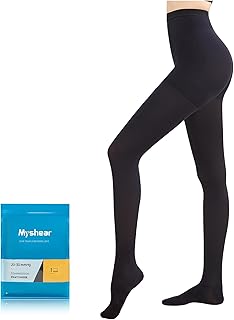
Compression tights, pantyhose and leggings offer a different type of coverage. These styles can extend from the feet or lower legs through the waist, depending on the design. The category includes options with graduated compression, high-waisted construction, footless designs and opaque materials. For shoppers who want broader coverage, these garments can be an alternative to separate leg compression pieces. Always review the individual product's sizing information and construction before ordering.
Compression levels are commonly expressed in mmHg, or millimetres of mercury. Products in this category include examples such as 15–20 mmHg and 20–30 mmHg compression. These figures should not be treated as interchangeable, because the appropriate compression level depends on the intended purpose and individual circumstances. If you have been advised to use medical compression for a health condition or after a procedure, follow the guidance provided by your healthcare professional when selecting a garment.
Fit is particularly important when shopping for compression wear. A garment that is too loose may not provide the intended level of support, while a garment that is too tight or poorly fitted may be uncomfortable. Check the manufacturer's measurement chart rather than relying only on your usual clothing size. Measurements can vary between products and brands, so review the listed size range, garment length and other fit details before making a purchase.
Post-surgical compression garments form another part of this category. Available products may include recovery girdles, abdominal binders, compression tops and chin or neck garments. Some are specifically marketed for use following cosmetic or surgical procedures. These products should be selected according to the instructions of the relevant healthcare professional, particularly when compression is being used as part of recovery.
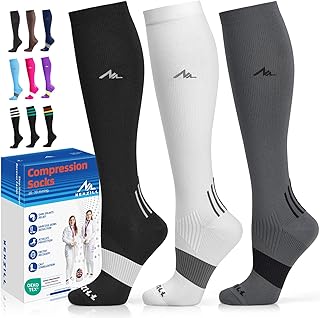
For travel, work or everyday activity, shoppers may also find compression socks designed for long periods of sitting or standing. Athletic and active-use compression socks are available as well, with products marketed for running, hiking, workouts and other activities. These use cases do not make every compression garment suitable for every person, so consider the product's stated purpose, compression rating and fit before purchasing.
Canadian shoppers should also compare practical details such as material, colour, toe design, garment height, available sizes and whether the item is sold individually or as a multi-pair package. A package of several pairs may be convenient for regular use, while a single specialised garment may be more appropriate when a particular fit or coverage style is required. Product availability and pricing can vary, so reviewing the current listing details is useful before ordering.
When shopping for medical compression garments online, focus on the specifications that matter most to your needs rather than choosing solely by appearance. Compare compression strength, measurements, coverage and construction, and read the product description carefully. If you are unsure which compression level or garment type is appropriate, seek professional medical advice before purchasing. With the right measurements and clearly defined requirements, you can narrow the available options and find compression wear that fits your intended use.
Find medical compression garments designed for different support needs, including compression socks, stockings, pantyhose, tights, leggings, girdles, sleeves and other compression wear. This category brings together options with different lengths, designs, toe styles and compression levels so Canadian shoppers can compare products according to fit, intended use and personal requirements.