

♥ Wishlist









Starting solids is an important stage in a baby's development, and choosing suitable foods can help make everyday feeding more manageable. Baby foods are available in many forms, including smooth purees, grain-based cereals, fruit and vegetable combinations, protein-containing meals, meltable snacks and toddler-friendly foods. The right option depends on your child's developmental stage, feeding skills and guidance from your healthcare professional.
For families in Canada, convenient packaged baby foods can be useful for busy mornings, childcare routines, travel and meals away from home. The category includes products offered in practical formats such as pouches, jars, boxes and individual snack packs. Checking serving sizes and package quantities can help you compare products according to how frequently you expect to use them.
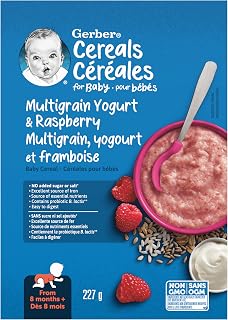
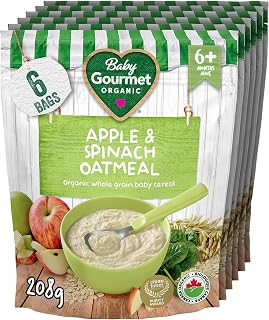
Baby cereals can provide a convenient option during the early stages of introducing solid foods. The category includes rice, oat, wheat and multigrain cereals, with some products formulated for particular stages such as starter, stage 2 or stage 3 feeding. Parents can compare grain choices, serving formats and labelled nutritional information when selecting a cereal.
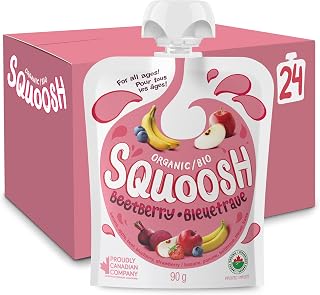
Purees offer a smooth format for babies who are developing their ability to eat solids. Single-flavour and combination options can introduce fruits, vegetables and other ingredients in convenient portions. Pouches and jars can be particularly practical when preparing food away from home, while clearly labelled age recommendations can help parents choose products appropriate for their child's stage.
As babies become ready for a wider variety of foods, meal-style options can provide combinations of vegetables, grains and protein ingredients. Products in this category may include combinations featuring chicken, beef, grains or vegetables. Always review the ingredient list and age guidance before offering a product to your child.
Older babies and toddlers may begin exploring foods that encourage independent eating. Meltable snacks, soft bites, cereal-based snacks and fruit-based options can provide convenient choices for suitable developmental stages. Texture and shape matter, so parents should follow age guidance and use appropriate supervision during feeding.
Start by checking the recommended age or feeding stage shown on the product. Age labels can help narrow the selection, but every child develops at a different pace. Next, review the ingredients and nutrition information. Parents may also want to compare options based on added sugar or salt, dietary preferences, organic claims, allergens and ingredient combinations where relevant.
Texture is another important consideration. Smooth purees may suit earlier stages, while thicker cereals, mashed combinations and soft finger foods can be appropriate as eating skills develop. If you are introducing a potential allergen, follow current guidance from your healthcare professional and introduce foods in an appropriate form.
Packaged baby foods can simplify feeding routines when parents need a quick option at home, during outings or while travelling. Multipacks may be useful for regular consumption, while smaller packages can help when trying a new flavour or food combination. Product descriptions can also help shoppers compare pack counts, gram weights and millilitre sizes before purchasing.
Storage and handling instructions should always be followed according to the product packaging. Check seals, packaging condition and expiry or best-before information where applicable. Once opened, follow the manufacturer's instructions for refrigeration, serving and storage.
Baby food choices can vary widely according to family preferences and a child's developing palate. Fruit combinations can offer familiar sweet flavours, while vegetable blends and savoury meals introduce different tastes. Grain-based products can provide another way to add variety to meals. Some products also carry claims such as organic, gluten-free, vegan, no added sugar or no added salt; these claims should be checked against the individual product label rather than assumed across an entire category.
Whether you are looking for baby cereal for an early solid-food routine, puree pouches for convenient feeding, or toddler snacks for growing self-feeding skills, comparing products by age, ingredients, texture, package size and dietary requirements can make shopping easier. A varied selection can also help families introduce different flavours and textures at developmentally appropriate stages.
Use the Baby Foods category to explore available options and compare products for your family's feeding routine. For babies and toddlers with allergies, medical conditions or specific nutritional requirements, consult a qualified healthcare professional before making dietary changes.
Finding suitable baby foods can make the transition from milk feeding to solids more convenient for Canadian families. The Baby Foods category brings together options designed for different stages, tastes and feeding routines, from smooth purees and infant cereals to toddler snacks and soft foods for developing self-feeding skills. When comparing products, consider the recommended age, ingredients, texture, portion format, dietary preferences and your child's individual needs.